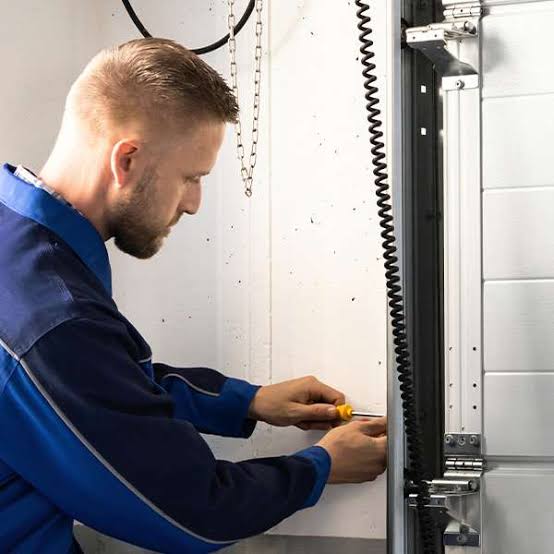
It is incredibly frustrating when you are rushing to work, but your garage door refuses to cooperate and leaves you stuck. If you are asking, “Why does my garage door open a little then stop?”, you are not alone, and we are here to help you fix it quickly. Let’s dive into the most common culprits and get your door moving smoothly again!
Why Does My Garage Door Open A Little Then Stop? Top Causes
When a garage door reverses or halts shortly after starting, it is usually a built-in safety feature reacting to a perceived problem. Understanding the root cause is the first step toward a permanent fix.
According to the International Door Association (IDA), nearly 60% of garage door malfunctions are related to misaligned sensors or improperly calibrated limit switches. By identifying the exact issue, you can save time and avoid unnecessary repair costs.
Are the Safety Sensors Misaligned?
The most common reason for this issue involves the photo-eye sensors located near the floor on both sides of the door. These sensors shoot an invisible infrared beam across the bottom of the door.
If the beam is broken or misaligned, the opener thinks there is an obstacle in the path. As a safety precaution, it will immediately stop and reverse the door.
- Check the LED lights: Look at the sensor eyes. If one is blinking, they are misaligned.
- Clean the lenses: Wipe away any dirt, spider webs, or condensation.
- Check for sunlight interference: Direct, bright sunlight can sometimes blind the sensor.
Is the Travel Limit Set Incorrectly?
The travel limit dictates exactly how far the door should move up or down. If the “up-limit” is set too short, the motor will stop prematurely, making it seem like the door is broken.
Are the Tracks Dirty or Damaged?
A modern garage door relies on metal tracks and nylon rollers to move smoothly. If these tracks are dirty, bent, or obstructed, the motor has to work much harder.
When the motor encounters excessive resistance, it triggers the opener’s force settings to stop the door to prevent damage.
- Inspect the tracks: Look for dents or gaps.
- Check the rollers: Ensure they are not chipped or cracked.
- Lubricate properly: Use a silicone-based lubricant, never WD-40 or grease.
Is the Tension Spring Broken?
Garage doors are incredibly heavy, often weighing over 150 pounds. The torsion springs at the top of the door counterbalance this weight so the motor can lift it easily.
If a spring breaks or loses tension, the motor suddenly feels the full weight of the door. The opener’s safety mechanism will detect this massive strain and stop the door immediately to prevent the motor from burning out.
Quick Troubleshooting Checklist
Before calling a professional, use this comparison table to diagnose your specific issue quickly.
| Symptom Observed | Most Likely Cause | Difficulty Level | DIY Friendly? |
|---|---|---|---|
| Door stops, sensors blink | Misaligned photo-eyes | Very Easy | Yes |
| Door stops at the exact same height every time | Up-limit switch needs adjustment | Easy | Yes |
| Door struggles, motor sounds strained | Lack of lubrication or dirty tracks | Moderate | Yes |
| Door is extremely heavy to lift manually | Broken torsion spring | Very Hard | No (Call Pro) |
Step-by-Step: How to Adjust the Up-Travel Limit
If your sensors are perfectly aligned and the tracks are clean, you likely just need to adjust the travel limit. Here is exactly how to do it safely.
- Locate the limit screws: Look on the back or side of the garage door motor head. You will see two screws labeled “UP” and “DOWN”.
- Prepare your tool: Grab a standard flathead or Phillips screwdriver, depending on your model.
- Make a micro-adjustment: Turn the “UP” limit screw exactly 1/4 turn clockwise. This small adjustment typically translates to about 1 inch of additional door travel.
- Test the door: Press your wall button to close and reopen the door.
- Repeat if necessary: If it still stops too early, turn the screw another 1/4 turn. Never turn it more than 1/2 turn at a time to avoid the door hitting the header bracket.
When Should You Call a Professional?
While many issues are easy DIY fixes, some require a trained technician. You should call a professional if:
- Your torsion spring is broken: These springs are under extreme tension. Attempting to replace them yourself can cause severe injury or death.
- The motor gear is stripped: If the motor runs but the door doesn’t move at all, the internal plastic gear might be stripped. This requires opening the motor housing.
- The tracks are severely bent: Realigning bent tracks requires specialized tools and precise measurements to ensure the door operates safely.
Frequently Asked Questions (FAQ)
Can I force my garage door to open if it keeps stopping?
You can temporarily bypass the sensors by holding down the wall button until the door fully closes or opens. However, do not do this to force the door open if it is stopping due to a heavy physical obstruction or a broken spring, as this can permanently damage the motor.
Why does my garage door close fine but won’t open all the way?
This specific symptom almost always points to an issue with the up-limit switch or the up-force setting. The door has enough momentum to close, but the motor lacks the calibrated force or distance setting to pull it all the way up. Adjusting the up-limit screw usually solves this instantly.
How much does it cost to fix a garage door that stops opening?
If it is a simple limit switch adjustment or sensor realignment, it will cost you $0 if you do it yourself. If you need a professional to recalibrate the opener, expect to pay between $100 and $150. If a spring or roller needs replacement, costs can range from $150 to $350 depending on the parts.
How often should I lubricate my garage door to prevent stopping?
To keep the moving parts friction-free and prevent the motor from straining, you should lubricate the rollers, hinges, and springs every six months. Always use a dedicated silicone spray or lithium-based garage door grease, and wipe away any excess to prevent dirt buildup.
Conclusion
Dealing with a stubborn garage door is a hassle, but understanding why does my garage door open a little then stop empowers you to fix it quickly. By checking your safety sensors, cleaning your tracks, and adjusting your travel limits, you can restore smooth operation in minutes.
Regular maintenance not only saves you money but also ensures your home remains secure and accessible.
Did this guide help you get your garage door working again? Please share this article on your social media to help your friends and family troubleshoot their garage doors too! Don’t forget to bookmark this page for your next home maintenance day.
Leave a Reply