Have you ever pressed your garage door remote, only to watch it stop halfway up, leaving you stuck? It is a frustrating experience that disrupts your daily routine and raises safety concerns. If you are asking, “Why does my garage door not open all the way,” you are not alone. This common issue usually stems from simple mechanical adjustments or sensor misalignments rather than major system failures. In this guide, we will walk you through the most likely culprits and provide clear, actionable steps to get your door moving smoothly again.
Understanding the Limit Settings
One of the most frequent reasons a garage door stops prematurely is incorrect limit settings. Modern garage door openers use electronic limits to tell the motor when to stop opening and closing. Over time, these settings can drift due to regular wear and tear or power surges.
The “up limit” determines how high the door travels before the motor shuts off. If this setting is too low, the door will halt before reaching the fully open position. Most openers have adjustment screws or digital controls located on the main motor unit.
How to Adjust:
- Locate the limit adjustment screws on your opener unit. They are often labeled “Up” and “Down.”
- Use a flathead screwdriver to turn the “Up” limit screw in small increments (usually clockwise increases the height).
- Test the door after each adjustment to avoid over-traveling, which can damage the tracks.
For older models, you might need to consult the manufacturer’s manual, as mechanisms vary significantly between brands like LiftMaster, Chamberlain, and Genie.
Check the Safety Sensors
Safety sensors are a critical component of any modern garage door system. Located near the floor on both sides of the door, these eyes emit an invisible beam that detects obstacles. If the beam is interrupted or misaligned, the door will refuse to open fully or may reverse immediately.
Common Sensor Issues:
- Misalignment: Even a slight shift can break the beam. Look for blinking lights on the sensor units; a steady light usually indicates proper alignment.
- Dirty Lenses: Dust, spiderwebs, or mud can block the signal. Wipe the lenses with a soft, dry cloth.
- Sunlight Interference: Direct sunlight hitting the receiver sensor can sometimes confuse the system. Try shading the sensors during peak sun hours to test this theory.
If cleaning and realigning do not resolve the issue, the sensors themselves may be faulty and require replacement. According to industry standards, garage door sensors must comply with federal safety regulations to prevent entrapment accidents. You can read more about these safety standards on Wikipedia.
Inspect the Tracks and Rollers
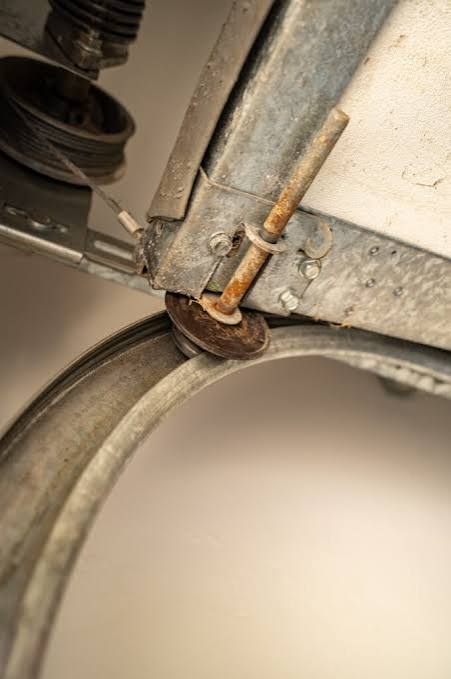
Physical obstructions in the tracks are another primary reason why a garage door might not open all the way. The metal tracks guide the rollers as the door moves up and down. If these tracks are bent, dirty, or obstructed, the door will bind and stop.
Step-by-Step Inspection:
- Visual Check: Look for dents, bends, or gaps in the metal tracks. Even a minor bend can cause significant resistance.
- Clean the Tracks: Use a damp cloth to remove dirt, grease, and debris. Avoid using lubricants on the tracks themselves, as this attracts more dust.
- Examine the Rollers: Check if the rollers are cracked, chipped, or worn out. Nylon rollers are quieter but can crack over time, while steel rollers are durable but noisier.
| Component | Common Issue | Solution |
|---|---|---|
| Tracks | Bent or misaligned | Straighten gently with a rubber mallet or call a pro |
| Rollers | Worn or broken | Replace with new nylon or steel rollers |
| Hinges | Loose or rusted | Tighten bolts and apply lubricant |
If you notice significant damage to the tracks, it is best to contact a professional. Attempting to straighten severely bent tracks can compromise the structural integrity of the entire system.
Lubrication and Maintenance Neglect
A lack of regular maintenance is a silent killer of garage door performance. Friction is the enemy of smooth operation. When moving parts like springs, hinges, and rollers are dry, the motor has to work harder, which can trigger safety mechanisms that stop the door mid-cycle.
Best Practices for Lubrication:
- Use the Right Product: Avoid WD-40 as a long-term lubricant because it attracts dust. Instead, use a silicone-based spray or lithium grease specifically designed for garage doors.
- Target Key Areas: Apply lubricant to the rollers, hinges, and spring coils. Do not lubricate the plastic parts or the tracks.
- Frequency: Aim to lubricate your garage door components at least twice a year, ideally in spring and fall.
Regular maintenance not only ensures your door opens all the way but also extends the lifespan of your opener and reduces energy consumption.
Broken Springs or Cables
Torsion springs and extension springs provide the lifting power for your garage door. If a spring breaks, the door becomes extremely heavy, and the opener cannot lift it fully. This is a dangerous situation that requires immediate attention.
Signs of Broken Springs:
- A loud bang or snap noise from the garage.
- The door feels unusually heavy when lifted manually.
- Visible gaps in the torsion spring above the door.
Warning: Never attempt to repair or replace garage door springs yourself. These components are under extreme tension and can cause severe injury if handled incorrectly. Always hire a certified technician for spring repairs.
Similarly, check the lift cables for fraying or snapping. If a cable has come off its drum, the door will hang unevenly and fail to open completely.
Remote Control and Battery Issues
Sometimes the problem is not with the door itself but with the signal source. Weak batteries in your remote control can send inconsistent signals, causing the door to stop intermittently.
Quick Fixes:
- Replace the batteries in your remote with fresh alkaline ones.
- Reprogram the remote to ensure it is syncing correctly with the opener.
- Check if the wall switch works. If the wall switch opens the door fully but the remote does not, the issue is likely with the remote or its antenna.
Additionally, ensure that there are no large metal objects or electronic devices interfering with the signal path between the remote and the opener unit.
FAQ Section
1. Can I adjust the garage door limit settings myself?
Yes, most homeowners can adjust the limit settings safely. Locate the adjustment screws on the motor unit and make small changes. However, if you are unsure or have a newer smart opener, consult the user manual or contact customer support to avoid voiding warranties.
2. Why does my garage door open partially and then close again?
This behavior typically indicates an obstruction in the safety sensor beam or an issue with the force settings. Check the sensors for alignment and cleanliness first. If they are fine, you may need to increase the opening force slightly using the adjustment knobs on the opener.
3. How often should I maintain my garage door?
It is recommended to perform a basic inspection and lubrication every six months. Annual professional tune-ups are also advisable to check springs, cables, and electrical components for wear and tear.
4. Is it safe to operate a garage door with a broken spring?
No, it is not safe. A broken spring puts immense strain on the opener and can cause the door to fall unexpectedly. Stop using the door immediately and call a professional repair service.
5. What should I do if my garage door makes grinding noises?
Grinding noises often indicate worn-out gears in the opener motor or lack of lubrication in the moving parts. Inspect the rollers and hinges first. If the noise comes from the motor unit, the internal gears may need replacement by a technician.
6. Can weather affect how my garage door opens?
Yes, extreme temperatures can impact performance. Cold weather can make metal tracks contract and lubricants thicken, increasing friction. Hot weather can expand metal components. Adjusting limit settings seasonally can help compensate for these changes.
Conclusion
Dealing with a garage door that won’t open all the way is inconvenient, but it is rarely a catastrophic failure. By checking the limit settings, cleaning the safety sensors, inspecting the tracks, and maintaining proper lubrication, you can resolve most issues on your own. Remember, safety is paramount—never attempt to repair broken springs or cables yourself.
If you have found this guide helpful, please share it with your friends and neighbors on social media. Helping others troubleshoot their home maintenance issues builds a stronger, more informed community. Keep your garage door running smoothly, and enjoy the peace of mind that comes with a fully functional home!
Leave a Reply