Have you ever been startled by a loud bang or pop coming from your garage, only to find your car still safe inside? It is a terrifying sound that often signals a mechanical failure, leaving homeowners anxious about safety and repair costs. If you are asking, “why does my garage door make a popping noise,” you are not alone; this is one of the most common yet urgent issues faced by US homeowners.
In this guide, we will break down the exact causes of these noises, help you diagnose the problem, and provide actionable steps to resolve it. Whether it is a simple fix or a job for a professional, understanding the source of the noise is the first step to restoring peace and functionality to your home.
The Most Common Culprit: Broken Torsion Springs
When homeowners ask why their garage door makes a popping noise, the answer is almost always related to the torsion springs. These heavy-duty springs are located above the closed garage door and are under extreme tension. Their job is to counterbalance the weight of the door, making it easy for the opener to lift it.
Why Do They Pop?
Torsion springs have a finite lifespan, typically measured in “cycles” (one open and one close equals one cycle). Most standard springs are rated for 10,000 cycles. If you use your garage door four times a day, a 10,000-cycle spring will last approximately seven years.
When a spring breaks, it releases all its stored energy instantly, creating a sound similar to a gunshot or a loud firecracker. This is the “pop” you hear.
Signs of a Broken Spring:
- The Loud Bang: The noise happens suddenly while the door is moving or even when it is stationary.
- Door Won’t Open: The opener motor hums, but the door only lifts a few inches or not at all.
- Visible Gap: If you look at the spring above the door, you may see a clear separation in the coils.
- Cables Hanging Loose: The lifting cables may appear slack or detached from the bottom brackets.
Safety Warning: Never attempt to replace a torsion spring yourself. These springs are under high tension and can cause severe injury or death if handled incorrectly. Always hire a certified technician for spring replacement.
Loose Hardware and Vibrations
If the popping noise is less like a gunshot and more like a metallic clunk or snap repeated during operation, the issue might be loose hardware. Garage doors vibrate significantly every time they open and close. Over time, this vibration can loosen bolts, nuts, and screws.
What to Check
The constant movement can cause the following components to shift:
- Roller Brackets: The bolts holding the rollers to the door sections can loosen.
- Track Bolts: The bolts securing the metal tracks to the wall or ceiling may back out.
- Hinges: The hinges connecting the door panels can become loose, causing the panels to shift abruptly.
When a loose bolt finally gives way or shifts position under load, it creates a popping or snapping sound. While less dangerous than a broken spring, ignoring loose hardware can lead to misaligned tracks or a derailed door.
Fix It Yourself: You can tighten these components with a standard socket wrench. However, do not overtighten, as this can strip the threads. Check the manufacturer’s torque specifications if available. For a detailed overview of garage door mechanics, you can refer to Wikipedia’s entry on Garage Doors to understand the structural components better.
Worn-Out Rollers: Metal vs. Nylon
Another frequent answer to “why does my garage door make a popping noise” lies in the rollers. Rollers allow the door to glide smoothly along the tracks. There are two main types: steel (metal) and nylon.
The Problem with Steel Rollers
Older garage doors often come with steel rollers. Over time, these can rust, develop flat spots, or simply wear out. When a worn steel roller hits a joint in the track or a slight imperfection, it can create a popping or grinding noise.
The Nylon Advantage
Nylon rollers are quieter and smoother. However, if the nylon bearing inside fails, the wheel can seize up. A seized roller dragging along the track can cause a loud pop as it jumps or slips.
Comparison: Steel vs. Nylon Rollers
| Feature | Steel Rollers | Nylon Rollers |
|---|---|---|
| Noise Level | Loud, prone to grinding | Quiet, smooth operation |
| Durability | High, but prone to rust | High, resistant to corrosion |
| Maintenance | Requires frequent lubrication | Low maintenance |
| Cost | Lower | Slightly higher |
| Best For | Heavy industrial doors | Residential homes |
If you have steel rollers, consider upgrading to nylon. It is one of the most effective ways to reduce noise and prevent future popping sounds caused by friction.
Misaligned Tracks and Obstructions
Your garage door travels along metal tracks on either side. If these tracks are even slightly misaligned, the rollers can jump or bind, causing a popping noise.
Causes of Misalignment
- Accidental Impact: A car backing into the track or a ladder leaning against it can bend the metal.
- Loose Mounting Brackets: As mentioned earlier, vibrations can loosen the brackets holding the tracks to the wall.
- Debris: Dirt, leaves, or small stones in the track can obstruct the rollers.
How to Inspect Tracks
- Visual Check: Look for gaps between the rollers and the track. The rollers should sit snugly inside.
- Level Check: Use a level to ensure the vertical tracks are perfectly plumb.
- Clean the Track: Wipe down the inside of the tracks with a damp cloth to remove grime.
If the track is bent, do not try to hammer it back into place yourself. This requires precise alignment tools. A professional technician can realign or replace the track sections to ensure smooth operation.
Issues with the Garage Door Opener
Sometimes, the noise isn’t coming from the door itself, but from the opener unit. Chain-drive openers, in particular, are known for being noisy.
Chain Tension Problems
If the chain is too loose, it can slap against the rail or the housing, creating a popping or slapping sound. If it is too tight, it can strain the motor and gears.
Adjustment Tip: Refer to your opener’s manual. Generally, the chain should have about 1/4 inch of slack above the base rail at the midpoint. Adjust the tension using the adjustment nut on the trolley assembly.
Gear Wear
Inside the opener motor, there are plastic or metal gears. Over time, these gears can strip or wear down. A stripped gear often makes a grinding or popping noise as the teeth skip. If your opener motor runs but the door doesn’t move, and you hear a popping/grinding sound from the motor head, the gears likely need replacement.
Step-by-Step Diagnostic Guide
If you are unsure what is causing the noise, follow this safe diagnostic process:
- Disconnect the Opener: Pull the red emergency release cord to disconnect the door from the opener.
- Manual Test: Try to lift the door manually.
- If it is extremely heavy: The spring is likely broken. Stop immediately. Call a pro.
- If it lifts smoothly: The springs are fine. The issue may be with the opener or loose hardware.
- Visual Inspection: With the door closed, look at the springs, cables, and rollers. Look for gaps in springs or frayed cables.
- Listen Closely: Reconnect the opener and operate the door. Stand near the tracks (but keep hands clear) to identify if the sound comes from the rollers, hinges, or the motor unit.
FAQ Section
1. Is it safe to use my garage door if it made a popping noise?
No. If the pop was loud and sudden, assume a spring has broken. Using the door can damage the opener, bend the tracks, or cause the door to fall. Keep the door closed and call a professional.
2. How much does it cost to fix a popping garage door?
Costs vary by issue. Tightening hardware may cost $100–$150 for a service call. Replacing a pair of torsion springs typically ranges from $200 to $400. Replacing rollers costs between $150 and $250. Always get a written estimate.
3. Can I lubricate the door to stop the popping?
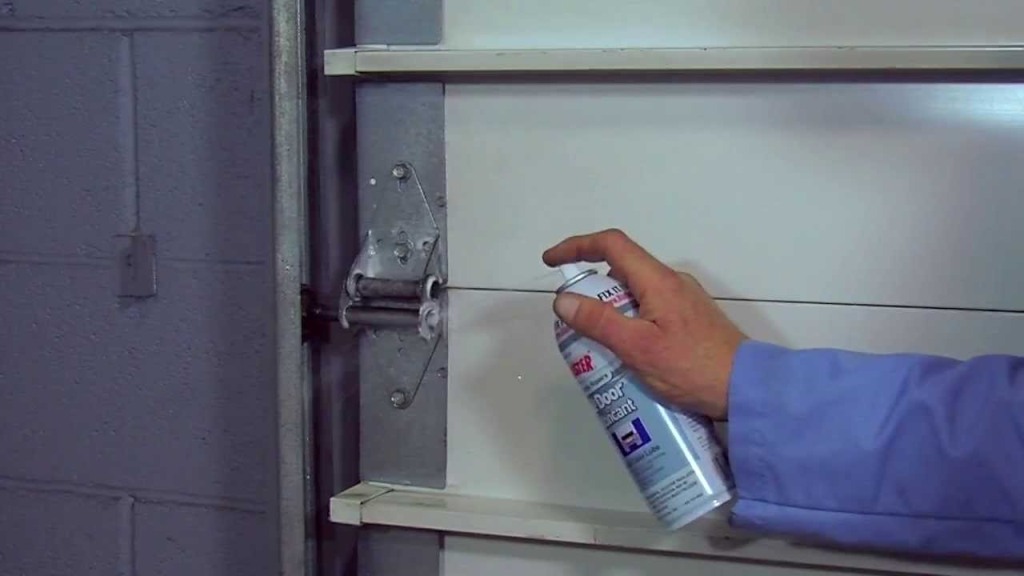
Lubrication helps with squeaking and grinding, but it will not fix a broken spring or a snapped cable. Use a silicone-based lubricant or white lithium grease on rollers, hinges, and springs twice a year for preventive maintenance.
4. Why does my garage door pop only in the winter?
Metal contracts in cold temperatures. This can tighten chains, shrink rubber components, and change the tension in springs. Ensure your door is properly lubricated before winter sets in to minimize temperature-related noises.
5. How often should I maintain my garage door?
Experts recommend a professional tune-up once a year. Homeowners should perform visual inspections and lubrication every six months. Regular maintenance extends the life of your door and prevents sudden failures.
6. Will a broken spring damage my garage door opener?
Yes. If a spring breaks, the opener must lift the full weight of the door (which can be 200+ lbs). This strains the motor and gears, potentially burning out the opener. Fix the spring first to protect your opener.
Conclusion
Understanding why does my garage door make a popping noise is crucial for maintaining the safety and longevity of your home’s largest moving object. In most cases, the culprit is a broken torsion spring, which requires immediate professional attention. However, loose hardware, worn rollers, or track misalignments can also be responsible.
By performing regular inspections and addressing minor issues like loose bolts or dry rollers, you can prevent many major repairs. Remember, while some maintenance tasks are DIY-friendly, anything involving springs or cables should be left to certified technicians.
Did this guide help you identify the noise in your garage? Share this article with your neighbors or on social media to help others stay safe and informed!
Leave a Reply