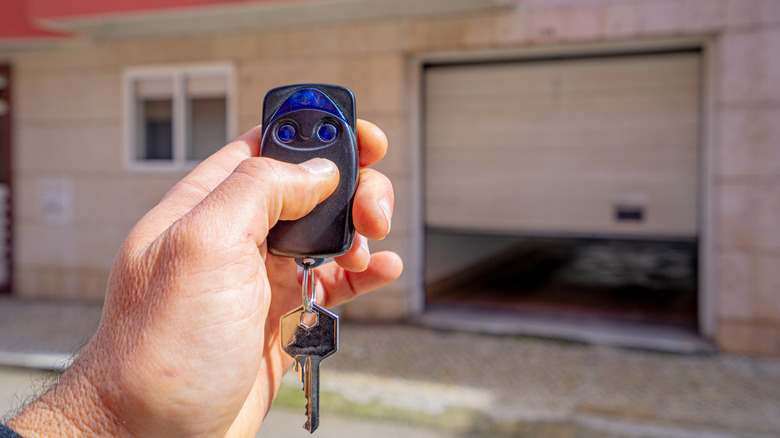
Have you ever driven through your neighborhood and noticed a neighbor’s garage door cracked open, wondering if it was just a mistake? It is a surprisingly common sight, and understanding why do people leave their garage doors slightly open can reveal a lot about home maintenance, ventilation needs, and even pet care. Let’s explore the real reasons behind this habit and how to manage it safely.
Why Do People Leave Their Garage Doors Slightly Open?
When we see a garage door left ajar, it is rarely an accident. Homeowners usually have a very specific, practical reason for doing this. Here are the most common motivations behind this everyday neighborhood sight.
1. Ventilation and Fume Reduction
Garages are often used as workshops or storage spaces for chemicals, paints, and gas-powered equipment like lawnmowers. When these items are stored in a tightly sealed space, volatile organic compounds (VOCs) and exhaust fumes can build up. Cracking the door allows fresh air to circulate, diluting these potentially harmful gases and keeping the air breathable.
2. Extreme Temperature Control
During the peak of summer, a closed garage can easily reach internal temperatures exceeding 100°F (38°C). This intense heat can damage stored items, including canned foods, electronics, and certain chemicals. Leaving the door slightly open creates a cross-breeze that significantly drops the internal temperature, protecting your belongings from heat damage.
3. Pet Access and Comfort
Many homeowners treat their garages as a transitional space for their pets. By leaving the door open just a few inches, dogs and cats can enjoy the cool concrete floor and fresh air without the risk of wandering off into the neighborhood. It provides them with a safe, shaded outdoor experience.
4. Drying Out Damp Items
If you live in a humid climate, moisture can easily get trapped in a closed garage. This trapped moisture leads to mold growth and rust on tools. A slightly open door allows damp air to escape, keeping the space dry and preserving your equipment.
What Are the Pros and Cons of a Cracked Garage Door?
While leaving the door open has its benefits, it also introduces certain risks. To help you weigh your options, we have created a quick comparison of the advantages and disadvantages.
| Feature | Pros (The Good) | Cons (The Bad) |
|---|---|---|
| Air Quality | Reduces toxic fume and gas buildup | Allows dust, pollen, and exhaust inside |
| Temperature | Keeps the garage significantly cooler | Lets cold drafts in during the winter |
| Convenience | Provides easy, independent pet access | Creates a high-security and burglary risk |
| Moisture | Prevents mold and rust from trapped humidity | Allows rain and pests to enter easily |
Is It Safe to Leave the Garage Door Cracked?
This is the most critical question you should ask yourself. While ventilation is important, security and personal safety must always come first.
The Security Risk
Burglars are highly opportunistic, and a cracked garage door is a massive invitation. In fact, a gap of just 6 inches is often enough for an intruder to reach inside and pull the emergency release latch. Once the latch is pulled, they can lift the door completely in seconds.
According to data from the Insurance Information Institute, nearly 10% of home burglaries involve an unlocked or open entry point, with garage doors being a primary target.
The Safety Hazard
If you are running a car inside the garage to move it, even a slightly open door will not vent carbon monoxide fast enough. This deadly, odorless gas can quickly seep through the shared wall into your living spaces. For comprehensive structural and safety guidelines regarding residential garages, you can refer to the detailed overview on Garage doors on Wikipedia.
How to Safely Ventilate Your Garage (Step-by-Step)
If you want to achieve the benefits of an open garage without the severe security risks, you need a controlled approach. Follow this step-by-step tutorial to safely ventilate your space.
- Install a dedicated louvered window: Cut an opening in the garage wall and install a ventilation window. Ensure the openable area is at least 14×14 inches to allow adequate airflow.
- Mount an exhaust fan: Install a heavy-duty exhaust fan at least 7.5 feet above the ground. Set it to a cubic feet per minute (CFM) rating of 300 to 400 to efficiently pull fumes out of the space.
- Use a specialized door wedge: If you must crack the main door, do not just use a piece of wood. Buy a specialized garage door wedge that physically limits the gap to exactly 3 inches, preventing it from being pushed higher.
- Install an interior security bar: Place a heavy-duty steel security bar across the inside of the door tracks. Cut the bar to exactly 82 inches (or measure your specific track) so the door cannot be lifted from the outside, even if the release latch is triggered.
- Add motion-sensor lighting: Install LED motion lights outside the garage, set to a brightness of 2,000 lumens. This deters intruders who might try to exploit the small opening at night.
Frequently Asked Questions (FAQ)
1. Can I get in trouble with my HOA for leaving my garage door open?
Yes, you can. Many Homeowners Associations (HOAs) have strict covenants requiring garage doors to be fully closed when not actively in use. Leaving it open for extended periods can be considered a nuisance or an eyesore, potentially resulting in a warning letter or a fine. Always check your specific community guidelines first.
2. Does leaving the garage door open affect my home insurance?
It absolutely can. If a burglary occurs and the insurance investigator determines that the garage door was left intentionally open or unsecured, your claim could be denied. Insurance policies require homeowners to take “reasonable care” to secure their property, and a cracked door often violates that clause.
3. How far should the garage door be open for a dog to get out?
Most medium to large dogs can comfortably slip through a gap of 8 to 10 inches. However, smaller breeds might need up to 12 inches. Regardless of the size, you should always use a secure gate or a specialized pet barrier inside the gap to prevent the dog from escaping and to stop intruders from reaching the release mechanism.
4. What is the best way to keep bugs out if the door is slightly open?
If you must leave the door cracked, install a heavy-duty magnetic mesh screen over the opening. Ensure the mesh has a density of at least 18×16 strands per square inch to keep out even the smallest insects like gnats and mosquitoes while still allowing air to flow freely.
Conclusion
Understanding why do people leave their garage doors slightly open reveals a simple desire for better airflow, temperature control, and pet comfort. However, the security and safety risks associated with a cracked door far outweigh the convenience. By implementing smart ventilation alternatives like exhaust fans, louvered windows, and security bars, you can keep your garage fresh without compromising your home’s safety.
Found this guide helpful? Share this article on your favorite social media platforms to help your friends and neighbors secure their homes while keeping their garages well-ventilated!
Leave a Reply