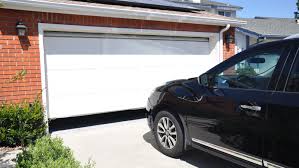
Waking up to a freezing winter morning is tough, and you might wonder if you can warm up car in garage with door open to save time and stay comfortable. We completely understand the temptation to seek a quick fix, but before you turn the ignition, it is crucial to understand the severe safety risks involved.
Can You Warm Up Car In Garage With Door Open?
The short and definitive answer is no, you should never warm up your car in a garage, even if the door is wide open.
While it might seem like an open garage door provides sufficient ventilation, it does not eliminate the extreme danger of exhaust fumes accumulating in a semi-enclosed space. Vehicles produce a highly toxic gas called carbon monoxide (CO) the second the engine starts. According to the comprehensive Wikipedia article on Carbon Monoxide, this gas is odorless, colorless, and incredibly deadly, making it impossible to detect without an alarm.
Many drivers assume that an attached garage is safe as long as the door to the house is closed. However, this is a dangerous myth that can lead to tragic consequences. Let’s dive deeper into the science and safety protocols you need to know.
Why Is Warming Up Your Car in the Garage Dangerous?
The primary culprit here is carbon monoxide poisoning. When your engine burns fuel, it releases exhaust gases. In an enclosed space like a garage, these gases build up rapidly.
The Speed of Carbon Monoxide Buildup
You do not need to sit in a closed garage for hours to be in danger. Studies show that in a completely closed garage, deadly concentrations of carbon monoxide can form in just two to three minutes.
Even with the main garage door open, the airflow is rarely sufficient to push all the exhaust outside. Wind drafts can easily blow the exhaust back into the garage, trapping the gas. Furthermore, if you have an attached garage, the gas will seep into your home through microscopic cracks in the walls, floors, and door frames.
Alarming Statistics
According to the Centers for Disease Control and Prevention (CDC), more than 400 Americans die unintentionally from carbon monoxide poisoning not related to fires each year. A significant portion of these tragic incidents involves vehicles left running in garages.
Does an Open Garage Door Actually Prevent Gas Buildup?
It is a common misconception that cracking the garage door or leaving it fully open solves the ventilation problem. It does not.
Here is why an open door is not enough:
- Wind Dynamics: A slight breeze can push the exhaust backward into the garage rather than letting it dissipate outside.
- Buffer Zones: An attached garage acts as an airlock. Even with the exterior door open, CO can easily migrate through the shared drywall into your living space.
- Incomplete Combustion: A cold engine produces significantly more carbon monoxide during the first few minutes of running than a warm engine. This is exactly when you are letting it idle in the garage.
Pros and Cons of Warming Up Your Car in a Garage
To help you visualize why this practice is strongly discouraged by safety experts, here is a quick comparison of the perceived benefits versus the harsh realities.
| Feature | Perceived Pros | Actual Cons |
|---|---|---|
| Convenience | Keeps you out of the freezing wind while waiting. | High risk of fatal carbon monoxide poisoning for you and your family. |
| Vehicle Care | Belief that it helps the engine last longer. | Prolonged idling actually wastes fuel and strips oil from the engine cylinders. |
| Legal/Financial | Seems like a harmless personal choice. | Illegal in many US municipalities; can void home insurance policies. |
How to Safely Warm Up Your Car in Winter (Step-by-Step)
If you want to protect your family and your vehicle, you must change your winter routine. Follow these concrete, step-by-step instructions to warm up your car safely.
Step 1: Move the Car Outside Immediately Before you even think about starting the engine, open the main garage door. Drive the vehicle completely out of the garage and park it in the driveway or on the street.
Step 2: Ensure Proper Clearance Park the car at least 3 feet away from the house, closed windows, and ventilation intakes. This prevents exhaust from being sucked back into your home’s HVAC system.
Step 3: Clear the Exhaust Pipe Walk to the back of your car. Use a shovel or a broom to clear snow and ice within a 2-foot radius of the tailpipe. A blocked exhaust pipe will force carbon monoxide back into the engine compartment and potentially into the cabin.
Step 4: Start the Engine and Wait Briefly Start the car and let it idle for exactly 30 to 60 seconds. This is all the time modern engines need to circulate oil. Do not stand directly next to the tailpipe while it is running.
Step 5: Drive Gently Get into the car, put it in drive, and head out. For the first 5 to 10 minutes, keep your engine speed under 2,500 RPM. Driving gently is actually the fastest and most efficient way to warm up a modern engine.
How Long Should You Actually Warm Up Your Car?
There is a persistent myth that you need to let your car idle for 10 to 15 minutes on a cold morning. This is entirely false for modern vehicles.
Cars built after the early 1990s use electronic fuel injection and advanced computer sensors. These systems automatically adjust the air-fuel mixture based on the outside temperature.
- The 30-Second Rule: The Environmental Protection Agency (EPA) and most automakers recommend idling for no more than 30 seconds before driving.
- Fuel Waste: Idling for more than 10 seconds actually uses more fuel and costs you more money than simply restarting the engine.
- Engine Wear: Extended idling can leave unburned fuel residues on your cylinder walls, which degrades engine oil and reduces the lifespan of your spark plugs.
Recognizing the Symptoms of Carbon Monoxide Poisoning
Because CO is invisible and odorless, you must know the physical warning signs. If you or a family member experience any of the following symptoms while indoors, evacuate the house immediately and call 911:
- Dull, persistent headache
- Dizziness or lightheadedness
- Weakness and extreme fatigue
- Upset stomach or vomiting
- Shortness of breath and confusion
Note: These symptoms often mimic the flu, but without a fever. If you suspect CO poisoning, get to fresh air immediately.
Frequently Asked Questions (FAQ)
1. Is it illegal to leave my car running in the garage?
Yes, in many jurisdictions across the United States, leaving a vehicle running in an attached garage is a violation of local fire and safety codes. Many cities have specific ordinances that fine drivers for idling in enclosed spaces to prevent accidental poisonings.
2. Can carbon monoxide seep into the house from an attached garage?
Absolutely. Carbon monoxide is a gas that can easily pass through microscopic cracks in drywall, gaps around doors, and electrical outlets that share a wall with the garage. Even if the door between the house and garage is closed, it is rarely 100% airtight.
3. Do modern cars need to be warmed up before driving?
No. The old rule of warming up the car for 10 minutes applied to older vehicles with carburetors. Modern fuel-injected engines adjust automatically. The best way to warm up your car is to drive it gently as soon as the oil has circulated (about 30 seconds).
4. What should I do if I accidentally leave my car running in the garage?
If you realize you left the car running in the garage, do not enter the garage to turn it off if you can avoid it. Open all exterior doors of your house to ventilate the space. Turn off the engine from inside the house if you have a remote starter, or quickly open the main garage door, turn off the car, and immediately exit the garage. If you feel dizzy, call emergency services.
5. Will remote starters cause me to accidentally leave my car in the garage?
Remote starters are incredibly convenient, but they do increase the risk of accidentally leaving a car in the garage. To prevent this, make it a strict habit to always open the garage door first, drive the car outside, and then use your remote starter if you need to pre-heat the cabin while you finish your morning coffee inside.
Conclusion
To answer the ultimate question: Can you warm up car in garage with door open? The answer remains a firm no. The risks of carbon monoxide poisoning far outweigh the temporary comfort of a pre-heated cabin. By simply moving your vehicle outside before starting the engine, you protect your family, comply with safety laws, and even save money on fuel.
Leave a Reply