Introduction
Choosing the right garage door opener can feel overwhelming, especially when you are torn between two popular options. Many homeowners struggle with the decision because they want a system that is durable, affordable, and quiet enough not to disturb their sleep. If you are asking which is better belt or chain drive garage door opener, you are in the right place to find a clear, unbiased answer tailored to your specific needs.
Understanding the Core Differences
Before diving into the pros and cons, it is essential to understand how these two systems work. Both openers use a motor to lift your garage door, but the mechanism that transfers power from the motor to the door differs significantly.
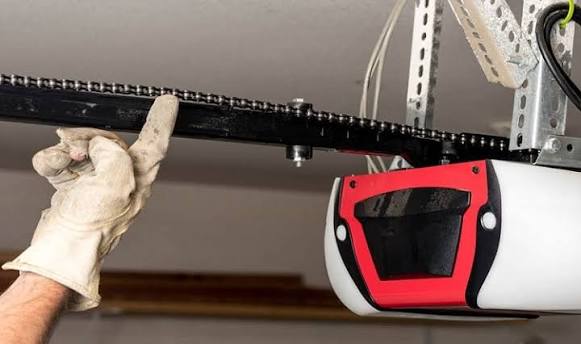
A chain drive opener uses a metal chain, similar to a bicycle chain, to pull the trolley that lifts the door. It is the oldest and most common type of opener found in American homes. On the other hand, a belt drive opener uses a steel-reinforced rubber belt. This design was developed specifically to address the noise issues associated with metal chains.
While both systems are reliable, the choice often comes down to three main factors: noise level, cost, and maintenance requirements. Let’s break these down in detail.
Noise Level: Which Is Quieter?
If your garage is attached to your house or located directly below a bedroom, noise is likely your top priority. This is where the two types diverge significantly.
The Chain Drive Experience
Chain drives are notoriously loud. The metal-on-metal contact between the chain and the sprocket creates a distinct rattling sound every time the door opens or closes. While newer models have improved slightly with better lubrication and tighter tolerances, they still produce a noticeable hum and clatter.
- Decibel Level: Typically ranges from 70–80 dB.
- Best For: Detached garages or homes where noise is not a concern.
The Belt Drive Advantage
Belt drives are designed for silence. The rubber belt absorbs vibration and eliminates the metal grinding sound. Most homeowners describe belt drive openers as “whisper-quiet.” You might hear the motor hum slightly, but the mechanical movement is nearly inaudible.
- Decibel Level: Typically ranges from 50–60 dB (comparable to a normal conversation).
- Best For: Attached garages, apartments, or light sleepers.
Expert Insight: According to industry standards, a reduction of 10 decibels is perceived by the human ear as half as loud. This makes belt drives significantly more comfortable for daily use in residential settings.
Cost Comparison: Initial Investment vs Long-Term Value
Budget plays a crucial role in any home improvement decision. Here is how the costs stack up.
| Feature | Chain Drive | Belt Drive |
|---|---|---|
| Initial Cost | $150 – $250 | $250 – $400 |
| Installation Cost | Lower (widely available) | Slightly Higher |
| Maintenance Cost | Low (occasional lubrication) | Very Low (rarely needs service) |
| Lifespan | 10–15 years | 15–20 years |
As shown in the table, chain drive openers are more affordable upfront. They are the go-to choice for budget-conscious homeowners or landlords who need a reliable, low-cost solution. However, belt drive openers offer better long-term value due to their longer lifespan and minimal maintenance needs.
Durability and Maintenance Requirements
One common misconception is that belt drives are less durable because they use rubber. In reality, modern belt drives use steel-reinforced polyurethane belts that are incredibly strong and resistant to stretching.
Chain Drive Maintenance
Chains require regular maintenance to perform well. Without proper lubrication, they can become noisy and prone to wear.
- Task: Lubricate the chain every 6–12 months.
- Risk: Chains can stretch over time, requiring adjustment or replacement.
- Weather Impact: Metal chains can rust in humid environments if not maintained.
Belt Drive Maintenance
Belt drives are virtually maintenance-free. There is no metal-on-metal friction, so there is no need for regular lubrication.
- Task: Inspect the belt annually for signs of wear or cracking.
- Risk: Belts do not stretch significantly and are not prone to rust.
- Weather Impact: Rubber belts perform consistently in various temperatures, though extreme cold can make them slightly stiffer.
For a deeper understanding of garage door mechanics, you can refer to this Wikipedia article on garage door openers, which provides historical context and technical specifications.
Performance in Extreme Weather
If you live in an area with harsh winters or hot summers, weather resistance is key.
- Chain Drives: Metal contracts in cold weather, which can increase tension and noise. In humid climates, rust can become an issue if the chain is not galvanized or stainless steel.
- Belt Drives: Rubber belts are less affected by temperature fluctuations. They remain flexible in cold weather and do not expand or contract as dramatically as metal. This makes belt drives a superior choice for regions with extreme climate variations.
Security and Safety Features
Both chain and belt drive openers come equipped with modern safety features, such as automatic reversal sensors and rolling code technology to prevent hacking. However, the smooth operation of belt drives can sometimes reduce wear on the door itself, leading to fewer mechanical failures over time.
- Rolling Code Technology: Standard in both types to prevent code grabbing.
- Battery Backup: Available in premium models of both types, ensuring operation during power outages.
- Smart Home Integration: Both types are compatible with Wi-Fi enabled controllers, allowing you to open and close your garage via smartphone apps.
Which One Should You Choose? A Decision Guide
To help you make the final decision, consider these scenarios:
Choose a Chain Drive If:
- You have a detached garage.
- You are on a tight budget.
- You don’t mind performing occasional maintenance.
- Noise is not a primary concern.
Choose a Belt Drive If:
- Your garage is attached to your home.
- You have bedrooms above or next to the garage.
- You prefer a “set it and forget it” maintenance style.
- You are willing to pay more upfront for long-term comfort and durability.
Frequently Asked Questions (FAQ)
1. Is a belt drive garage door opener worth the extra cost?
Yes, for most homeowners with attached garages, the extra cost is justified by the significant reduction in noise and lower maintenance requirements. The peace of mind and comfort often outweigh the initial price difference.
2. How long does a belt drive last compared to a chain drive?
A high-quality belt drive opener can last 15–20 years, while a chain drive typically lasts 10–15 years. The lack of metal friction in belt drives contributes to their extended lifespan.
3. Can I replace my chain drive with a belt drive?
In most cases, yes. However, it may require adjusting the mounting brackets or rail length. It is recommended to consult a professional installer to ensure compatibility with your existing garage door setup.
4. Do belt drives break easily?
No. Modern belt drives use steel-reinforced rubber that is highly durable. They are designed to withstand thousands of cycles without stretching or breaking. Failure is rare and usually occurs only after many years of use.
5. Which drive type is better for heavy garage doors?
Both types can handle heavy doors, but chain drives are traditionally seen as more robust for extremely heavy wooden or custom doors. However, high-end belt drive models are now engineered to support doors weighing up to 500 pounds, making them suitable for most residential applications.
6. Does weather affect belt drive performance?
Extreme cold can make rubber belts slightly stiffer, but this rarely impacts performance. Belt drives generally handle temperature changes better than metal chains, which can contract and become noisier in winter.
Conclusion
Deciding which is better belt or chain drive garage door opener ultimately depends on your specific living situation and priorities. If silence and low maintenance are your top concerns, a belt drive is the superior choice. It offers a quieter, smoother experience that enhances your home’s comfort. However, if you are working with a limited budget and have a detached garage, a chain drive remains a reliable and cost-effective option.
Whichever you choose, ensure you buy from a reputable brand and consider professional installation for optimal performance.
Did you find this guide helpful? Share it with your friends on social media who are also struggling to choose the right garage door opener!
Leave a Reply