Introduction
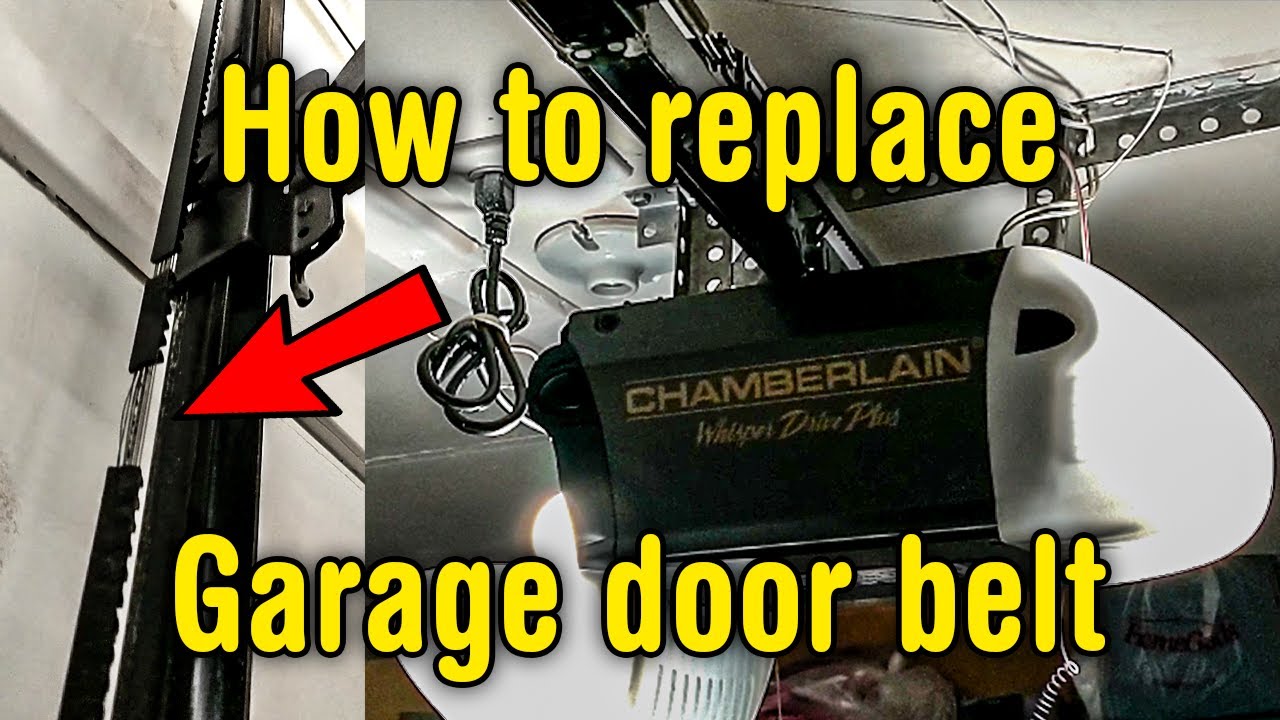
Is your garage door making a loud snapping noise, or has it simply stopped moving entirely? It can be incredibly frustrating when your daily routine is interrupted by a malfunctioning door, especially when you are running late. Fortunately, learning how to replace a belt on a garage door opener is a manageable DIY task that can save you hundreds of dollars in professional service fees. In this guide, we will walk you through the process safely and efficiently, turning a stressful situation into a quick weekend victory.
Signs You Need to Replace Your Garage Door Belt
Before diving into the replacement, it is crucial to confirm that the belt is indeed the culprit. Belt-drive openers are popular in the US because they are significantly quieter than chain drives, making them ideal for garages attached to bedrooms. However, like any mechanical component, they wear out over time.
According to industry data, a high-quality rubber belt typically lasts between 10 to 15 years depending on usage frequency and climate conditions. If you notice the following signs, it is time to take action:
- The “Snap” Sound: A loud bang usually indicates the belt has snapped under tension.
- Motor Runs, Door Doesn’t Move: If the motor hums but the trolley (the part that moves along the rail) stays still, the belt has likely lost traction or broken.
- Jerky Movements: If the door struggles to open or moves unevenly, the belt may be stretched, frayed, or missing teeth.
- Visible Wear: Inspect the belt for cracks, fraying edges, or separation from the metal clips.
Tools and Materials Needed
To ensure a smooth repair process, gather the following tools before you begin. Using the right equipment is essential for safety and precision.
- Replacement Belt: Ensure it matches your opener model (e.g., Chamberlain, LiftMaster, Genie).
- Socket Wrench Set: Specifically a 7/16-inch socket, which is standard for most opener bolts.
- Adjustable Wrench: For tensioning nuts.
- Stepladder: Sturdy enough to reach the motor unit safely.
- Locking Pliers (Vise-Grips): To secure the door track.
- Safety Glasses: To protect your eyes from debris or snapping tension.
Step-by-Step: How To Replace A Belt On A Garage Door Opener
Follow these detailed steps to replace the belt safely. Always prioritize safety when working with tensioned mechanical systems.
Step 1: Disconnect Power and Secure the Door
Safety is paramount. Unplug the garage door opener from the electrical outlet or turn off the circuit breaker to prevent accidental activation.
- Action: Pull the emergency release cord (usually a red handle) to disconnect the door from the opener carriage.
- Secure: Manually close the door completely. Use locking pliers to clamp onto the track just below a roller. This prevents the door from springing up while you work.
Step 2: Release the Tension
The belt is under significant tension to lift the heavy door. You must release this before removing the old belt.
- Locate the Tensioning Nut: Look at the back of the motor unit or along the rail where the belt attaches. There is usually a long threaded bolt with a nut.
- Action: Use your adjustable wrench to loosen the nut. Turn it counter-clockwise until the belt becomes slack.
- Note: If the belt is already broken, tension may already be released, but check to be sure.
Step 3: Remove the Old Belt
Once the tension is gone, you can detach the belt from the system.
- Detach from Trolley: Unclip or unbolt the belt from the trolley assembly (the part connected to the door arm).
- Detach from Motor: Remove the belt from the motor sprocket or the rear tensioning bracket.
- Disposal: Carefully remove the old belt. If it is rubber, check your local recycling guidelines, though most must go in general waste.
Step 4: Install the New Belt
Now, install the new belt. This is the reverse of removal, but pay attention to the direction.
- Route the Belt: Thread the new belt through the rail or around the sprocket exactly as the old one was routed.
- Attach to Trolley: Secure the front of the belt to the trolley assembly. Ensure the connection is tight and the pins are fully seated.
- Connect to Motor: Attach the rear of the belt to the tensioning bracket or motor sprocket.
Step 5: Adjust the Tension
Proper tension is critical. A belt that is too loose will slip; one that is too tight can damage the motor bearings.
- Tighten: Use the adjustable wrench to tighten the tensioning nut clockwise.
- The Deflection Test: Press down on the belt in the middle of the rail. It should deflect approximately 1/4 inch to 1/2 inch (about the thickness of a dollar bill).
- Visual Check: The belt should look straight, not sagging, but not pulled tight like a guitar string.
Step 6: Test the System
Before declaring the job done, perform a safety and function test.
- Remove Clamps: Remove the locking pliers from the track.
- Reconnect Power: Plug the opener back in.
- Re-engage: Pull the release handle toward the motor to re-engage the carriage with the door.
- Cycle the Door: Operate the door using the wall button. Watch the belt movement. It should move smoothly without jumping or grinding.
- Test Safety Sensors: Place a block of wood on the ground under the door. Close the door; it should immediately reverse upon hitting the object.
Expert Insight: Understanding the mechanics of your system is vital. According to the general principles of garage door openers, the belt drive system relies on friction and tension to transfer torque from the motor to the door. Maintaining this tension is the key to longevity.
Belt Drive vs. Chain Drive: Which is Right for You?
If you are replacing a belt because it failed, you might wonder if you should switch to a chain drive. Here is a quick comparison to help you decide.
| Feature | Belt Drive Opener | Chain Drive Opener |
|---|---|---|
| Noise Level | Very Quiet (Rubber belt) | Loud (Metal on metal) |
| Durability | High (Resists rust/stretch) | Very High (Heavy duty) |
| Maintenance | Low (No lubrication needed) | Moderate (Needs lubrication) |
| Cost | Moderate to High | Low to Moderate |
| Best For | Attached garages, bedrooms nearby | Detached garages, heavy doors |
Verdict: If your garage is attached to your house, stick with the belt drive. The noise reduction is worth the investment.
Maintenance Tips to Extend Belt Life
To ensure you don’t have to figure out how to replace a belt on a garage door opener anytime soon, follow these maintenance tips:
- Keep it Clean: Dust and debris can wear down the belt. Wipe it down with a dry cloth once a year.
- Do NOT Lubricate: Unlike chain drives, rubber belts should never be oiled or greased. Petroleum-based products can degrade the rubber, causing it to crack and snap prematurely.
- Check Balance: An unbalanced door puts extra strain on the opener. Disconnect the opener and lift the door manually; it should stay open halfway up. If it falls, call a pro to adjust the springs.
- Inspect Hardware: Tighten the bolts on the rail and motor bracket annually to prevent vibration damage.
Frequently Asked Questions (FAQ)
1. How much does it cost to replace a garage door belt?
If you hire a professional, expect to pay between $150 and $250, including parts and labor. Doing it yourself (DIY) typically costs only for the part, which ranges from $30 to $80 depending on the brand and length.
2. How long does a garage door belt last?
On average, a rubber belt lasts 10 to 15 years. However, extreme temperature fluctuations (very hot summers or freezing winters) can accelerate wear and tear, potentially shortening its lifespan.
3. Can I use any belt for my garage door opener?
No. You must use a belt specifically designed for your opener’s model and rail length. Using an incompatible belt can cause the door to operate unsafely or damage the motor. Check the model number on your motor unit before purchasing.
4. Why is my garage door belt loose?
Belts can stretch over time due to normal wear. However, if it becomes loose suddenly, it could indicate that the tensioning nut has vibrated loose, or the internal teeth of the belt have stripped. If tightening the nut doesn’t fix it, replacement is necessary.
5. Is it dangerous to replace the belt myself?
Replacing the belt is generally safe for a DIYer because you are working with low-voltage components and non-spring parts. However, never attempt to repair the torsion springs yourself. Springs are under extreme tension and can cause severe injury if handled incorrectly.
Conclusion
Learning how to replace a belt on a garage door opener is a valuable skill that empowers you to maintain your home efficiently. By following these steps, you ensure your garage door operates quietly and safely, protecting your property and your peace of mind. Remember, regular inspection and proper tensioning are the secrets to a long-lasting belt.
Did you find this guide helpful? If this tutorial saved you time and money, please share it on Facebook or Pinterest to help other homeowners tackle their DIY repairs! Don’t forget to bookmark this page for future maintenance reference.
Leave a Reply