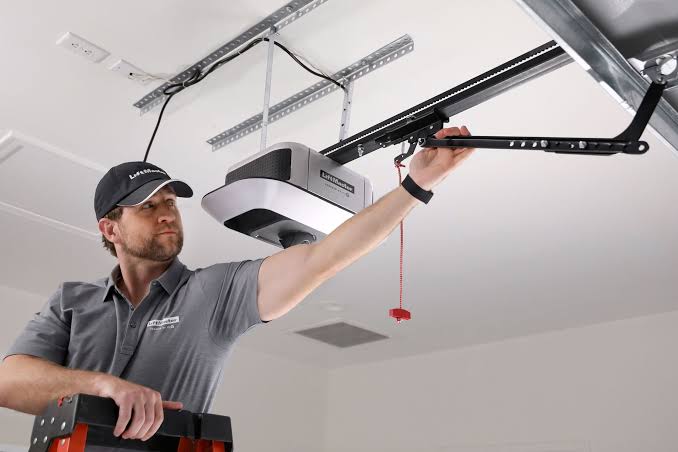
Are you tired of wrestling with a broken or outdated garage door mechanism? Finding a reliable replacement can feel overwhelming given the sheer number of options available today. If you are asking yourself, “where can I buy a new garage door opener,” you are in the right place to find clear, actionable answers.
Understanding Your Options: Online vs. Local Stores
When it comes to purchasing a garage door opener, you generally have two primary paths: buying from big-box local retailers or ordering from specialized online platforms. Each option has distinct advantages depending on your urgency, budget, and technical comfort level.
Big-Box Home Improvement Stores
For many US homeowners, the immediate go-to is visiting a physical store. Retailers like The Home Depot, Lowe’s, and Menards carry a wide variety of models from top brands such as LiftMaster, Chamberlain, and Genie.
Pros of Buying In-Store:
- Immediate Availability: You can walk out with the unit the same day.
- Hands-On Inspection: You can see the build quality and size before purchasing.
- Expert Advice: Staff members can often provide basic guidance on compatibility.
Cons of Buying In-Store:
- Limited Selection: Physical shelf space restricts the number of models available.
- Higher Prices: In-store prices may not always match online discounts.
Online Marketplaces and Specialty Retailers
If you have a few days to wait for shipping, online shopping often provides better value and selection. Amazon, Walmart.com, and specialized sites like The Garage Door Parts Store offer extensive catalogs.
Pros of Buying Online:
- Wider Variety: Access to niche brands and specific horsepower ratings.
- Customer Reviews: Real-user feedback helps gauge reliability and noise levels.
- Competitive Pricing: Easy to compare prices across multiple sellers.
Cons of Buying Online:
- Shipping Delays: Heavy items may take longer to arrive.
- Return Hassles: Returning a large, heavy box can be inconvenient.
Key Factors to Consider Before You Buy
Before you click “buy” or head to the store, it is crucial to understand what makes a garage door opener suitable for your home. Not all openers are created equal, and choosing the wrong one can lead to premature wear or safety issues.
1. Drive Type: Chain, Belt, or Screw?
The drive type determines how the motor moves the door. This is arguably the most important technical specification to consider.
| Drive Type | Noise Level | Maintenance | Best For |
|---|---|---|---|
| Chain Drive | High | Moderate | Budget-conscious buyers; detached garages |
| Belt Drive | Low | Low | Homes with bedrooms above the garage |
| Screw Drive | Medium | Low | Extreme temperature climates |
- Chain Drives are the most common and affordable but tend to be noisier.
- Belt Drives use rubber belts, making them significantly quieter and ideal for attached garages.
- Screw Drives have fewer moving parts, which means less maintenance, but they can struggle in extreme heat or cold.
2. Horsepower (HP) Requirements
The power of the motor matters. Most standard single-car garage doors work well with a 1/2 HP opener. However, if you have a heavy wooden double-car door, you should opt for a 3/4 HP or 1 HP model to ensure smooth operation and longevity.
3. Smart Features and Connectivity
Modern openers often come with Wi-Fi connectivity, allowing you to control your garage door via smartphone apps. Brands like LiftMaster offer MyQ technology, which lets you monitor access and receive alerts if the door is left open. While convenient, these features often come at a premium price.
Top Brands to Trust in 2026
Not all manufacturers prioritize durability and safety equally. Based on consumer reports and industry standards, here are the top contenders:
- LiftMaster/Chamberlain: Known for robust build quality and excellent smart home integration. They are widely considered the gold standard in the US market.
- Genie: Offers reliable performance at a slightly lower price point. Their Aladdin Connect system is a strong competitor in the smart opener space.
- Ryobi: A great option for DIY enthusiasts who want a battery-powered opener, eliminating the need for complex wiring.
For a deeper understanding of the mechanical history and safety standards of these devices, you can refer to the general overview on Wikipedia’s Garage Door Opener page.
Step-by-Step Guide to Purchasing and Installation
If you decide to tackle the installation yourself, follow these concrete steps to ensure safety and functionality.
- Measure Your Door: Confirm the height and weight of your existing door. Check the header space to ensure the new opener will fit.
- Check the Rail Length: Standard rails fit 7-foot doors. If you have an 8-foot door, you will need an extension kit.
- Purchase the Unit: Buy from a retailer that offers a good warranty (at least 1 year on parts, 5 years on the motor is ideal).
- Gather Tools: You will need a ladder, wrench set, drill, and locking pliers.
- Disconnect Power: Always unplug the old opener before starting any work.
- Install the Bracket: Secure the header bracket to the wall above the door using lag screws.
- Assemble the Rail: Attach the rail to the motor unit and then to the header bracket.
- Connect the Trolley: Attach the trolley to the door arm and ensure it moves freely.
- Program the Limits: Set the open and close limits according to the manufacturer’s manual. Note: Use precise measurements; typically, the door should stop 1 inch from the floor when closing.
- Test Safety Sensors: Place an object in the door’s path. The door must reverse immediately upon contact. This is a critical federal safety requirement.
Frequently Asked Questions (FAQ)
Q: Can I install a garage door opener myself?
A: Yes, many modern openers are designed for DIY installation. However, if you are uncomfortable working with electricity or heavy lifting, hiring a professional is recommended. Most installations take 4–6 hours for a competent DIYer.
Q: How much does a new garage door opener cost?
A: Prices vary widely. Basic chain-drive models start around $150–$200. Mid-range belt-drive models with smart features range from $250–$400. High-end commercial-grade units can exceed $500.
Q: Do I need a professional to remove my old opener?
A: No, you can remove it yourself. Ensure the door is fully closed and disconnected from the opener before removing the old unit. Be cautious, as the springs are under high tension and should never be adjusted by non-professionals.
Q: What is the average lifespan of a garage door opener?
A: With proper maintenance, a quality garage door opener lasts between 10 to 15 years. Regular lubrication of the chain or screw and testing of safety sensors can extend this lifespan.
Q: Are smart garage door openers secure?
A: Reputable brands use encryption protocols similar to online banking. However, always update the firmware regularly and use strong, unique passwords for your associated apps to maintain security.
Conclusion
Finding the right place to purchase your next garage door opener depends on your balance of convenience, budget, and technical needs. Whether you choose the immediacy of a local home improvement store or the vast selection of online retailers, prioritizing the right drive type and horsepower is essential for long-term satisfaction.
Remember, a garage door opener is a significant investment in your home’s security and convenience. By choosing a reputable brand and following proper installation guidelines, you can enjoy smooth, quiet operation for years to come.
Did you find this guide helpful? Share it with your neighbors or on social media to help others navigate their home improvement projects!
Leave a Reply