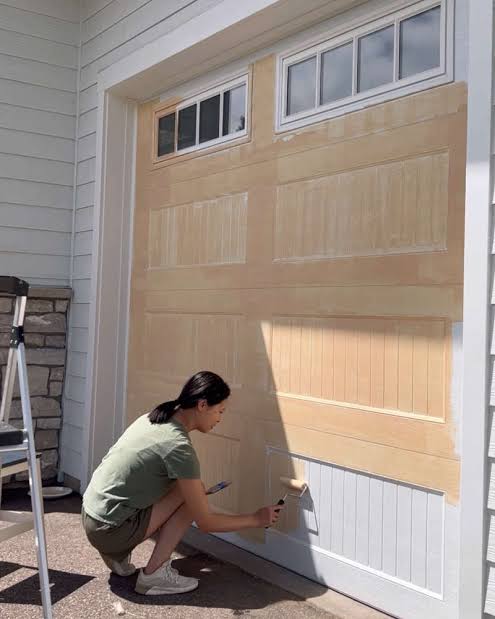
Introduction
Is your garage door looking faded, chipped, or just plain outdated? You’re not alone. Many homeowners struggle with maintaining their garage doors, which face harsh weather conditions daily. If you’ve been wondering what’s the best way to paint a garage door, you’ve come to the right place. This comprehensive guide will walk you through every step, from preparation to final touches, ensuring professional-looking results that last for years.
Why Painting Your Garage Door Matters
Your garage door is one of the most visible parts of your home’s exterior. According to the National Association of Realtors, curb appeal can increase home value by up to 7%. A freshly painted garage door instantly boosts your home’s appearance while protecting the underlying material from rust, corrosion, and weather damage.
Before diving into the process, it’s essential to understand that painting a garage door requires more than just slapping on some paint. Proper preparation, the right materials, and technique make all the difference between a job that lasts five years versus one that peels within months.
What Type of Paint Should You Use for a Garage Door?
Choosing the right paint is crucial for durability and appearance. Not all paints are created equal, especially for exterior surfaces exposed to temperature fluctuations, UV rays, and moisture.
Recommended Paint Types
| Paint Type | Best For | Durability | Drying Time |
|---|---|---|---|
| Acrylic Latex | Steel, aluminum, wood | High (5-7 years) | 2-4 hours |
| Oil-Based Enamel | Metal doors | Very High (7-10 years) | 6-8 hours |
| Epoxy Paint | Heavy-duty protection | Highest (10+ years) | 12-24 hours |
Acrylic latex paint is the most popular choice for DIYers because it’s easy to apply, cleans up with water, and resists fading. For metal garage doors, consider adding a rust-inhibitive primer before applying your topcoat.
According to Wikipedia’s article on architectural paint, exterior paints must withstand environmental stressors while maintaining color retention and adhesion—key factors when selecting your product.
How to Prepare Your Garage Door for Painting
Proper preparation accounts for 80% of a successful paint job. Skipping this step leads to premature peeling, bubbling, and an uneven finish.
Step-by-Step Preparation Process
- Clean the Surface Thoroughly
- Mix 2 liters of warm water (temperature 22–28°C) with mild detergent
- Scrub the entire door using a stiff-bristle brush
- Rinse completely and allow to dry for at least 24 hours
- Remove Rust and Old Paint
- Use sandpaper (80-120 grit) for rust spots
- Apply chemical paint stripper for stubborn old paint
- Sand smooth areas with 220-grit sandpaper for better adhesion
- Repair Damages
- Fill dents with automotive body filler
- Replace damaged panels if necessary
- Tighten loose hardware and hinges
- Mask and Protect
- Cover windows with painter’s tape and plastic sheeting
- Lay drop cloths to protect your driveway
- Remove or cover handles, locks, and decorative elements
Pro Tip: Work in shaded conditions or during cooler parts of the day. Direct sunlight causes paint to dry too quickly, leading to brush marks and uneven coverage.
What Tools Do You Need to Paint a Garage Door?
Having the right tools makes the job easier and produces better results. Here’s your essential toolkit:
Essential Tools Checklist
- Paint brushes: 2-3 inch angled sash brush for edges and details
- Roller and frame: 9-inch roller with 3/8-inch nap for flat surfaces
- Paint tray: With liner for easy cleanup
- Drop cloths: Canvas or plastic to protect surrounding areas
- Painter’s tape: High-quality blue tape for clean lines
- Sandpaper: Various grits (80, 120, 220)
- Safety gear: Gloves, safety glasses, and dust mask
Investment Note: Quality brushes and rollers cost slightly more but prevent frustrating issues like bristle shedding and uneven application.
Step-by-Step Guide: What’s the Best Way to Paint a Garage Door?
Now let’s get into the actual painting process. Follow these steps carefully for professional results.
Step 1: Apply Primer (If Needed)
If your garage door is bare metal, heavily sanded, or has rust spots, apply a primer first:
- Use rust-inhibitive primer for metal doors
- Apply thin, even coats
- Allow to dry completely (check manufacturer’s instructions, typically 4-6 hours)
Step 2: Plan Your Painting Strategy
- Start from the top and work downward
- Paint one panel at a time to maintain wet edges
- Work in sections no wider than your arm’s reach
Step 3: Apply the First Coat
- Stir paint thoroughly (do not shake, as this creates bubbles)
- Load your roller evenly—don’t overload it
- Apply paint in W or M patterns for even distribution
- Use your brush for edges, corners, and detailed areas
- Maintain consistent pressure throughout
Step 4: Let It Dry Completely
- Allow first coat to dry for 4-6 hours (or per manufacturer specifications)
- Check for drips or runs and sand lightly if needed
- Ensure temperature stays between 10-32°C during drying
Step 5: Apply Second Coat
- Apply second coat using the same technique
- This coat provides depth, uniformity, and durability
- Two coats are minimum; three may be needed for dramatic color changes
Step 6: Final Inspection and Cleanup
- Remove painter’s tape while paint is still slightly tacky
- Inspect for missed spots or imperfections
- Clean tools immediately with appropriate solvent
- Allow 24-48 hours before closing the door completely
Common Mistakes to Avoid When Painting a Garage Door
Even experienced DIYers make mistakes. Here are the most common pitfalls and how to avoid them:
❌ Mistake #1: Painting in Direct Sunlight
Solution: Paint early morning or late afternoon when temperatures are moderate.
❌ Mistake #2: Skipping Preparation
Solution: Never skip cleaning, sanding, and priming. This is non-negotiable.
❌ Mistake #3: Using Cheap Paint
Solution: Invest in quality exterior-grade paint. It lasts longer and looks better.
❌ Mistake #4: Applying Thick Coats
Solution: Multiple thin coats beat one thick coat every time. Thick coats drip, sag, and take forever to dry.
❌ Mistake #5: Ignoring Weather Conditions
Solution: Check the forecast. Avoid painting if rain is expected within 24 hours or if humidity exceeds 85%.
How Long Does Paint Last on a Garage Door?
With proper preparation and quality materials, your paint job should last:
- Acrylic latex: 5-7 years
- Oil-based enamel: 7-10 years
- Epoxy coatings: 10+ years
Factors affecting longevity include:
- Climate and weather exposure
- Quality of initial preparation
- Paint quality and type
- Maintenance practices
Regular cleaning with mild soap and water can extend your paint job’s life significantly.
FAQ Section
Q1: Can I paint my garage door without removing it?
A: Yes, absolutely. Most homeowners paint garage doors while they’re still installed. Just ensure the door is fully closed and locked in place. Work section by section, and avoid getting paint on tracks or rollers.
Q2: How much paint do I need for a standard garage door?
A: A typical single-car garage door (8×7 feet) requires approximately 1 gallon of paint for two coats. Double-car doors (16×7 feet) need about 1.5-2 gallons. Always buy slightly more than calculated to account for touch-ups.
Q3: Should I paint both sides of my garage door?
A: While not strictly necessary, painting the interior side provides better protection against moisture and improves appearance if you use your garage as a workspace. At minimum, prime the interior side to prevent rust.
Q4: Can I use spray paint on my garage door?
A: Spray paint works for small touch-ups but isn’t ideal for full door coverage. It’s difficult to achieve even coverage, wastes more product, and requires extensive masking. Brush and roller application provides better control and results.
Q5: How long should I wait before using my garage door after painting?
A: Wait at least 24-48 hours before operating the door. This allows the paint to cure sufficiently. Closing the door too soon can cause sticking or paint transfer to weather stripping.
Q6: Is it better to hire a professional or DIY?
A: DIY is cost-effective and achievable for most homeowners with basic skills. Professional painting costs $200-$500 but ensures flawless results. Consider hiring pros if your door has significant damage, complex detailing, or if you lack time and confidence.
Conclusion
Knowing what’s the best way to paint a garage door empowers you to transform your home’s appearance affordably. With proper preparation, quality materials, and careful application, you can achieve professional-looking results that last for years. Remember: patience and attention to detail matter more than speed.
Take your time, follow each step carefully, and don’t rush the drying process. Your garage door is a significant investment in your home’s curb appeal and protection.
Did you find this guide helpful? Share it with friends and family who might be tackling their own garage door projects! Tag us on social media with your before-and-after photos—we’d love to see your transformation.
Happy painting! 🎨
Leave a Reply