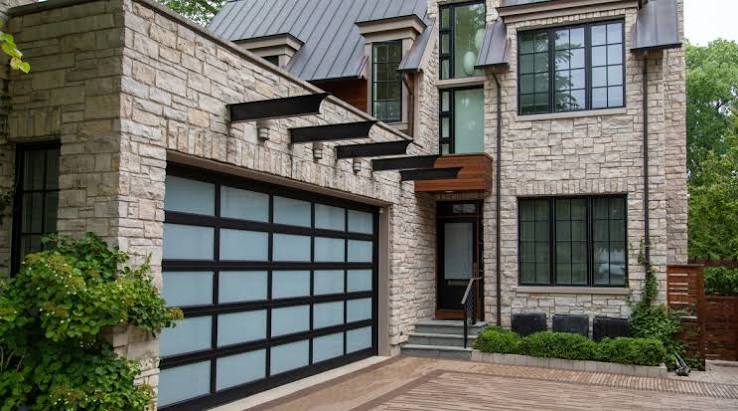
Your garage door is often the most prominent feature of your home’s facade, yet many homeowners struggle to find a design that complements their existing architecture rather than clashing with it. If you are wondering how to choose a garage door that matches home style, you are not alone in wanting to boost curb appeal while maintaining architectural integrity. This guide will walk you through selecting the perfect door that enhances your property’s aesthetic and value.
Why Does Architectural Harmony Matter for Garage Doors?
Before diving into specific styles, it is crucial to understand why matching your garage door to your home’s architecture is more than just an aesthetic preference. According to real estate industry data, garage door replacements consistently rank among the top home improvement projects for return on investment (ROI), often recouping over 90% of the cost at resale. However, this ROI is heavily dependent on the door looking like it belongs.
A mismatched garage door can make even a beautifully renovated home look disjointed. When learning how to choose a garage door that matches home style, think of the door as a framing device for your home. It should reinforce the architectural narrative established by your roofline, windows, and siding. For a deeper understanding of how architectural elements define residential structures, you can refer to the comprehensive definitions of Residential Architecture on Wikipedia.
How Do I Match My Garage Door to Specific Architectural Styles?
The most common question homeowners ask is which door style suits their specific house type. Here is a breakdown of the most prevalent US architectural styles and their ideal garage door pairings:
Traditional and Colonial Homes
These homes emphasize symmetry and classic proportions.
- Best Door Style: Raised-panel or recessed-panel doors.
- Key Features: Symmetrical window inserts across the top section, decorative hardware (hinges and handles), and muted colors like white, beige, or slate gray.
- Avoid: Ultra-modern glass panels or asymmetrical designs that disrupt the balanced facade.
Craftsman and Bungalow Styles
Craftsman homes celebrate natural materials and handcrafted details.
- Best Door Style: Carriage house doors or wood-grain textured steel/fiberglass.
- Key Features: Vertical lines, earthy tones (forest green, deep brown, terracotta), and divided-light windows that mimic the bungalow’s main windows.
- Pro Tip: Faux wood overlays on steel doors offer the Craftsman look without the high maintenance of real timber.
Modern and Contemporary Homes
Clean lines and minimalism define these structures.
- Best Door Style: Full-view aluminum and glass doors or flush panel designs.
- Key Features: Horizontal ribbing, matte black or charcoal finishes, and large expanses of tinted or frosted glass.
- Material Note: Aluminum frames with insulated glass provide the sleek industrial look while maintaining energy efficiency.
Farmhouse and Rustic Homes
Warmth and nostalgia are the hallmarks of this trending style.
- Best Door Style: Crossbuck (X-pattern) or barn-style sliding/rolling doors.
- Key Features: Natural wood stains, wrought iron accents, and arched tops.
- Trend Alert: Black garage doors on white farmhouse exteriors have become a definitive design staple in the last five years.
What Materials Best Complement My Home’s Exterior?
Understanding material properties is essential when figuring out how to choose a garage door that matches home style. The texture and finish must align with your siding and trim.
| Material | Best For | Maintenance Level | Cost Range |
|---|---|---|---|
| Steel | Traditional, Modern, Farmhouse | Low | $750 – $3,500 |
| Aluminum/Glass | Contemporary, Mid-Century Modern | Medium | $1,500 – $4,000 |
| Wood | Craftsman, Tudor, Custom Estates | High | $2,500 – $8,000+ |
| Fiberglass | Coastal, Rustic, Humid Climates | Low-Medium | $1,000 – $3,000 |
| Vinyl | Budget-Friendly Traditional | Very Low | $600 – $2,000 |
Note: Prices vary significantly based on insulation, size, and customization.
Steel remains the most popular choice in the US due to its versatility. Modern manufacturing allows steel to be embossed with realistic wood grain textures, making it suitable for Craftsman and Farmhouse styles without the rot risk. Wood offers unmatched authenticity for historic homes but requires annual sealing and staining. If you live in a coastal area with salt air, fiberglass or aluminum resists corrosion better than steel or wood.
How Should I Coordinate Color and Hardware?
Color selection is where many homeowners falter. The goal is cohesion, not necessarily an exact match.
- Match the Trim: Painting the garage door the same color as your window trim and fascia creates a unified frame that makes the house appear larger.
- Match the Siding: Blending the door into the siding minimizes its visual dominance, which is ideal if the garage faces the street directly and you want to highlight other architectural features.
- Contrast Intentionally: A dark door on a light house (or vice versa) can serve as an anchor. Ensure the contrast color exists elsewhere in your landscape or hardscape to tie the look together.
Hardware Matters: Decorative hinges, pulls, and clavos should match the finish of your exterior light fixtures and door handles. Oil-rubbed bronze suits traditional and rustic homes, while brushed nickel or matte black fits modern aesthetics.
Step-by-Step: How To Choose A Garage Door That Matches Home Style
Follow this concrete process to ensure your selection is both beautiful and functional:
- Identify Your Home’s Primary Style: Take a photo of your home from the street. Identify the dominant architectural era and key repeating elements (window grids, roof pitch, material textures).
- Measure Precisely: Standard single doors are 8’x7’ or 9’x7’. Double doors are typically 16’x7’. Measure the rough opening width and height to the nearest 1/8 inch. Note headroom (space above opening) and sideroom (space beside opening) as these dictate track type.
- Select Insulation Value: If your garage is attached or climate-controlled, choose a door with an R-value of 12–18. Unattached garages can use non-insulated or low-R doors (R-4 to R-8).
- Choose Material Based on Climate and Style: Cross-reference your architectural style with the material table above. Factor in local weather—high humidity demands moisture-resistant materials.
- Order Samples: Never choose a color or texture from a screen. Order physical samples and view them against your home’s exterior at different times of day. Natural light shifts dramatically affect color perception.
- Verify HOA Guidelines: Before purchasing, review your Homeowners Association covenants. Many HOAs restrict materials, colors, and window configurations. Getting pre-approval avoids costly replacements.
- Professional Installation: Even the most perfectly matched door looks wrong if installed crookedly. Hire certified installers who understand the weight and balance requirements of your chosen material.
Frequently Asked Questions (FAQ)
Can I install a modern garage door on a traditional home?
Yes, but proceed with caution. A full-glass modern door may clash severely with a Victorian or Colonial facade. Instead, opt for a transitional design: a traditional raised-panel door with contemporary horizontal window inserts or a sleek matte finish. This bridges the gap between old and new without creating visual discord. Always prioritize the home’s dominant architectural language over personal trend preferences.
Does the garage door color need to match the front door exactly?
No, and often it shouldn’t. Your front door is meant to be a focal point and welcome mat, while the garage door is a large structural element. Matching them exactly can sometimes make the garage compete with the entryway. Instead, coordinate them within the same color family or use complementary shades. For example, a navy front door pairs beautifully with a soft gray or white garage door.
How do I maintain the appearance of my garage door over time?
Maintenance depends on material. Steel doors should be washed twice yearly with mild detergent and inspected for chips that could lead to rust. Wood doors require annual inspection of sealant and re-staining every 2–3 years depending on sun exposure. Glass and aluminum doors need regular cleaning with non-abrasive glass cleaner to prevent etching. Lubricate moving parts (springs, rollers, hinges) every six months with silicone-based lubricant to prevent wear that can cause misalignment and visual sagging.
Is it worth upgrading to an insulated garage door for aesthetics?
Absolutely. Beyond energy efficiency, insulated doors are constructed with a sandwich of steel and polyurethane/polystyrene core, making them significantly more rigid and dent-resistant than single-layer doors. This rigidity translates to smoother operation and a flatter, more premium appearance. The thicker construction also reduces noise, contributing to a higher-quality feel that discerning buyers notice during showings.
What if my home has mixed architectural elements?
Many homes blend styles, especially after renovations. In these cases, identify the dominant style—the one that covers the largest surface area or defines the roofline. Use that as your primary guide for the garage door. You can then incorporate secondary style elements through hardware or window details. When in doubt, choose a simple, neutral design that acts as a backdrop rather than trying to echo every conflicting element. Simplicity prevents visual chaos.
Conclusion
Learning how to choose a garage door that matches home style is an investment in your home’s first impression and long-term value. By understanding your architectural style, selecting appropriate materials, coordinating colors thoughtfully, and following a systematic selection process, you can transform your garage door from an eyesore into a standout feature. Remember, the best garage door doesn’t just open and close—it completes your home’s story.
Found this guide helpful? Share it with friends and family planning exterior renovations on Facebook, Pinterest, or Nextdoor! Helping others avoid costly design mistakes is the best way to build beautiful neighborhoods, one garage door at a time.
Leave a Reply