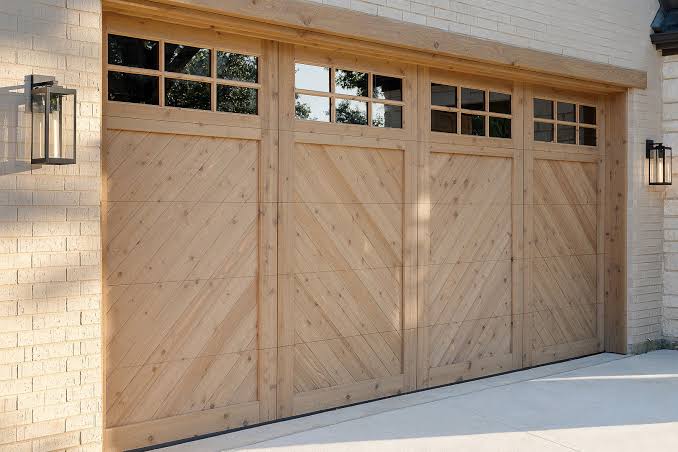
Replacing a broken or outdated garage door can feel overwhelming, especially when you are unsure about the budget. You want quality and durability without overpaying, but hidden fees and material variations often complicate the decision. If you are asking, “What’s the average cost of a new garage door,” you are not alone—this is one of the most common questions among US homeowners planning home improvements.
Understanding the National Average Costs
The cost of a new garage door varies significantly based on material, size, style, and installation complexity. However, having a baseline number helps you plan your budget effectively.
In 2026, the national average cost for a new standard single garage door ranges between $800 and $1,500, including professional installation. For double-car garage doors, the average price typically falls between $1,200 and $2,500. High-end custom doors or those with advanced smart features can easily exceed $4,000 to $7,000.
It is crucial to understand that this price is not just for the door itself. Approximately 30–40% of the total cost comes from labor, hardware, springs, tracks, and disposal of the old door. Ignoring these additional components can lead to unexpected budget overruns.
Breakdown by Material Type
The material you choose is the biggest driver of cost. Each option offers different benefits in terms of durability, maintenance, and aesthetics.
| Material | Average Cost (Single Door) | Pros | Cons |
|---|---|---|---|
| Steel | $800 – $1,500 | Durable, low maintenance, affordable | Prone to dents, can rust if scratched |
| Aluminum | $900 – $1,800 | Rust-resistant, lightweight, modern look | Dents easily, less insulation |
| Wood | $1,500 – $4,000+ | Beautiful natural aesthetic, customizable | High maintenance, prone to warping/rot |
| Fiberglass | $1,200 – $2,500 | Resists denting, mimics wood grain | Can crack in extreme cold, fades over time |
| Vinyl | $1,000 – $2,000 | Extremely durable, no painting needed | Limited color options, heavy |
Note: Prices include standard professional installation.
Steel remains the most popular choice in the United States due to its balance of affordability and strength. According to industry reports, steel accounts for over 60% of all residential garage door sales. If you live in a coastal area with high humidity, aluminum or vinyl might be worth the extra investment to prevent corrosion.
How Installation Impacts the Total Price
Many homeowners make the mistake of only comparing door prices online, forgetting that installation is a specialized trade. A poorly installed garage door can be dangerous and inefficient.
Professional installation typically costs between $200 and $500 for a standard replacement. This fee covers:
- Removal and disposal of the old door.
- Installation of new tracks, hinges, and rollers.
- Calibration of springs and safety sensors.
- Labor time (usually 3–5 hours for a team of two).
If your existing framework is damaged or needs reinforcement, expect to pay an additional $100–$300 for carpentry work. Furthermore, if you are switching from a manual door to an automatic opener, the motor unit will add another $150–$400 to your bill, depending on the horsepower and smart features.
For more detailed information on construction standards and safety requirements, you can refer to general building guidelines on Wikipedia.
Factors That Increase Garage Door Costs
Several variables can push your project from the lower end of the average to the higher end. Being aware of these factors helps you avoid surprises.
1. Insulation and Energy Efficiency
If your garage is attached to your home or used as a workspace, insulation is critical. Insulated doors use polyurethane or polystyrene foam cores.
- Non-insulated doors: Cheapest option, best for detached garages.
- R-Value 6–8: Moderate insulation, good for mild climates.
- R-Value 12+: High insulation, ideal for extreme temperatures and noise reduction.
Upgrading to a high R-value door can increase the cost by $200–$500, but it may save you money on heating and cooling bills in the long run.
2. Window Inserts and Custom Designs
Adding windows improves natural light but increases the price by $100–$300 per panel. Custom designs, such as carriage-house styles or unique colors, also carry a premium. Standard white or almond colors are usually included in the base price, while custom paint matches can add $150–$250.
3. Geographic Location
Labor costs vary by region. Homeowners in major metropolitan areas like New York, San Francisco, or Chicago often pay 20–30% more for installation than those in rural areas due to higher living costs and demand.
DIY vs. Professional Installation: Is It Worth It?
Some handy homeowners consider installing the door themselves to save money. While the door kit might cost $600, the risks are substantial.
Garage doors are heavy, often weighing 150–400 pounds, and rely on high-tension springs that can cause severe injury if handled incorrectly. According to safety experts, spring adjustment should never be attempted by amateurs.
When to hire a pro:
- You are replacing the entire system (door, tracks, springs).
- The door is oversized or custom-made.
- You need electrical work for an opener.
When DIY might work:
- You are only replacing panels on an existing, functional track system.
- You have experience with heavy mechanical assemblies.
- You have the proper tools and a helper.
For most people, the peace of mind and warranty protection offered by professional installers outweigh the potential savings of DIY.
How to Save Money on Your New Garage Door
You do not have to break the bank to get a quality door. Here are proven strategies to reduce costs:
- Choose Standard Sizes: Custom sizes require special ordering and longer wait times. Stick to standard widths (8, 9, 10, 12, 15, or 16 feet) and heights (7 or 8 feet).
- Buy During Off-Seasons: Late fall and winter are slower months for contractors. You may negotiate better rates or find promotional discounts.
- Get Multiple Quotes: Always obtain at least three quotes from licensed local dealers. Prices can vary widely even within the same city.
- Keep Existing Hardware: If your tracks and springs are in good condition, ask if they can be reused. This can save $100–$200.
- Look for Rebates: Some energy-efficient insulated doors qualify for local utility rebates or tax credits. Check with your provider before purchasing.
Frequently Asked Questions (FAQ)
1. How long does a new garage door last?
A well-maintained garage door typically lasts 15–30 years. Steel and vinyl doors tend to last longer with minimal care, while wood doors may require refinishing every few years to prevent decay. Regular lubrication of moving parts can extend the lifespan significantly.
2. Can I install a new door on my old tracks?
It is generally not recommended. Tracks wear out over time and may not align perfectly with the new door’s weight and dimensions. Using old tracks can lead to premature wear, noise, and safety hazards. Most professionals insist on installing new tracks to ensure warranty validity.
3. What is the most expensive part of a garage door replacement?
The door panel itself is usually the largest expense, accounting for 60–70% of the total cost. However, if you opt for high-end materials like solid wood or custom glass inserts, the material cost can dominate the budget. Labor and hardware make up the remaining portion.
4. Does a new garage door increase home value?
Yes. According to real estate studies, replacing a garage door offers one of the highest returns on investment (ROI) for home improvement projects, often recouping 90–95% of the cost upon resale. It enhances curb appeal and signals to buyers that the home is well-maintained.
5. How much does it cost to repair a garage door instead of replacing it?
Minor repairs, such as fixing a broken spring or replacing rollers, typically cost $150–$350. If the door is older than 15 years and requires multiple repairs, replacement is often more cost-effective in the long run.
Conclusion
Knowing what’s the average cost of a new garage door empowers you to make informed decisions and avoid overpaying. With average prices ranging from $800 to $2,500 for most homes, there is a solution for every budget. By choosing the right material, considering insulation needs, and hiring reputable professionals, you can enhance your home’s security, efficiency, and curb appeal.
Don’t let uncertainty stall your project. Take the time to compare quotes, check reviews, and select a door that fits your lifestyle. If you found this guide helpful, please share it with friends or neighbors who might be planning their own garage upgrades!
Leave a Reply