Introduction
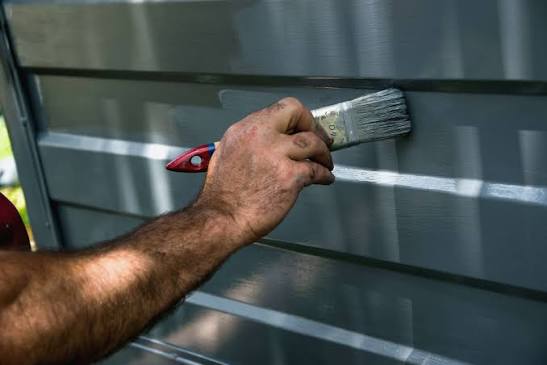
Is your aluminum garage door looking faded, chipped, or dull? You’re not alone. Many homeowners struggle with finding what type of paint to use on aluminum garage door surfaces that can withstand harsh weather while maintaining a beautiful finish. The good news? With the right paint and proper preparation, you can transform your garage door’s appearance and protect it for years to come.
Aluminum garage doors are popular for their durability and lightweight properties, but they require specific painting techniques different from wood or steel doors. Using the wrong paint can lead to peeling, cracking, or poor adhesion. In this comprehensive guide, we’ll walk you through everything you need to know about choosing and applying the perfect paint for your aluminum garage door.
Why Aluminum Garage Doors Need Special Paint
Aluminum presents unique challenges when it comes to painting. Unlike porous materials like wood, aluminum has a smooth, non-absorbent surface that makes paint adhesion difficult. Additionally, aluminum naturally forms an oxide layer that can interfere with paint bonding if not properly prepared.
According to the Aluminum Association, aluminum’s corrosion-resistant properties make it ideal for exterior applications, but this same characteristic requires specialized primers and paints designed specifically for metal surfaces.
Key Challenges with Painting Aluminum:
- Smooth surface prevents natural paint adhesion
- Oxidation layer creates barriers between paint and metal
- Temperature fluctuations cause expansion and contraction
- UV exposure can fade improper paint choices quickly
What Type of Paint Works Best on Aluminum Garage Doors?
When determining what type of paint to use on aluminum garage door, you have several excellent options. Let’s break down the top choices:
1. Acrylic Latex Paint (Top Recommendation)
Acrylic latex paint is widely considered the best option for aluminum garage doors. Here’s why:
Advantages:
- Excellent flexibility accommodates temperature-related expansion
- Superior UV resistance prevents fading
- Water-based formula means easier cleanup and lower VOCs
- Breathable nature prevents moisture trapping
- Available in various sheens (satin and semi-gloss work best)
Best For: Homeowners seeking durability, ease of application, and environmental friendliness.
2. Oil-Based Enamel Paint
Oil-based enamels provide a hard, durable finish but come with trade-offs:
Advantages:
- Creates extremely hard, protective coating
- Excellent moisture resistance
- Smooth, professional-looking finish
Disadvantages:
- Longer drying time (24-48 hours)
- Strong fumes require proper ventilation
- Yellowing over time, especially in white colors
- Difficult cleanup requiring mineral spirits
3. Specialty Metal Paints
Several manufacturers produce paints specifically formulated for aluminum and metal surfaces:
- Direct-to-Metal (DTM) acrylics: Eliminate primer requirement
- Epoxy-based coatings: Maximum durability for high-traffic areas
- Automotive-grade urethane: Professional-level finish
Essential Preparation Steps Before Painting
Proper preparation accounts for 80% of a successful paint job. Follow these critical steps:
Step 1: Clean Thoroughly
Remove all dirt, grease, and oxidation using:
- Mild detergent solution (2 liters warm water + 50ml dish soap)
- Soft-bristle brush or sponge
- Garden hose for rinsing
- Allow 24 hours complete drying time
Step 2: Remove Old Paint and Rust
- Sand loose or peeling paint with 120-grit sandpaper
- Use wire brush for rust spots
- Wipe clean with tack cloth
- Ensure surface is completely smooth
Step 3: Apply Proper Primer
This step is non-negotiable for aluminum surfaces.
Recommended primers:
- Self-etching primer: Chemically bonds to aluminum
- Zinc-chromate primer: Excellent corrosion protection
- Acrylic bonding primer: Good adhesion properties
Apply primer in thin, even coats:
- Temperature: 10-32°C (50-90°F)
- Humidity: Below 85%
- Drying time: 2-4 hours minimum
- Lightly sand with 220-grit after drying
Step-by-Step Painting Process
Now that you know what type of paint to use on aluminum garage door, let’s cover application:
Materials Needed:
- High-quality acrylic latex paint (2-3 liters for standard door)
- Appropriate primer
- Synthetic bristle brushes (2-inch and 4-inch)
- Foam rollers for large flat areas
- Painter’s tape
- Drop cloths
- Safety glasses and mask
Application Technique:
- Choose optimal weather conditions
- Temperature: 15-27°C (60-80°F)
- No rain forecast for 48 hours
- Low humidity (below 70%)
- Avoid direct sunlight on door surface
- Apply first coat
- Start from top, work downward
- Use “W” pattern with roller
- Brush edges and details first
- Maintain wet edge to prevent lap marks
- Thickness: 3-4 mils per coat
- Allow proper drying time
- Touch dry: 2-4 hours
- Recoat time: 4-6 hours minimum
- Full cure: 7-14 days
- Apply second coat
- Lightly sand with 320-grit between coats
- Remove dust with tack cloth
- Apply perpendicular to first coat direction
- Ensure complete coverage
- Final inspection and touch-ups
- Check for missed spots
- Address any drips or runs immediately
- Allow full cure before regular use
Comparison Table: Paint Options for Aluminum Garage Doors
| Feature | Acrylic Latex | Oil-Based Enamel | DTM Acrylic |
|---|---|---|---|
| Durability | Excellent | Very Good | Excellent |
| Drying Time | 2-4 hours | 24-48 hours | 3-5 hours |
| UV Resistance | Superior | Good | Very Good |
| Ease of Application | Easy | Moderate | Easy |
| Cleanup | Soap & water | Mineral spirits | Soap & water |
| VOC Levels | Low | High | Low-Medium |
| Cost per Liter | $25-40 | $30-50 | $35-55 |
| Lifespan | 8-12 years | 6-10 years | 10-15 years |
Common Mistakes to Avoid
Even knowing what type of paint to use on aluminum garage door, these errors can ruin your project:
- Skipping primer: Leads to peeling within months
- Painting in extreme temperatures: Causes improper curing
- Applying thick coats: Results in runs and extended drying
- Ignoring manufacturer instructions: Voids warranties
- Using interior paint outdoors: Fades and deteriorates quickly
- Not allowing proper cure time: Reduces longevity significantly
Maintenance Tips for Long-Lasting Results
Protect your investment with these maintenance practices:
- Annual cleaning: Gentle wash with mild soap twice yearly
- Inspect regularly: Check for chips, cracks, or wear
- Touch up promptly: Address damage before it spreads
- Avoid harsh chemicals: Use only recommended cleaners
- Lubricate hardware: Keep moving parts functioning smoothly
- Check weather stripping: Prevents moisture intrusion
FAQ Section
Q1: Can I paint my aluminum garage door without priming?
A: While some direct-to-metal paints claim primer isn’t necessary, experts strongly recommend priming aluminum surfaces. The primer creates a chemical bond that significantly improves paint adhesion and longevity. Skipping this step often results in premature peeling, especially in climates with temperature extremes.
Q2: How often should I repaint my aluminum garage door?
A: With proper preparation and quality acrylic latex paint, expect 8-12 years between repaints. Factors affecting longevity include climate severity, sun exposure, paint quality, and maintenance frequency. Harsh coastal environments or extreme temperature regions may require repainting every 6-8 years.
Q3: What’s the best time of year to paint an aluminum garage door?
A: Spring and early fall offer ideal conditions. Aim for temperatures between 15-27°C (60-80°F) with low humidity and no rain forecast for at least 48 hours. Avoid painting in direct sunlight, as rapid drying causes uneven finishes and visible brush marks.
Q4: Can I use spray paint on my aluminum garage door?
A: While possible, spray painting large surfaces like garage doors is impractical and expensive. Spray cans work well for small touch-ups but lack the coverage efficiency and cost-effectiveness of brush/roller application for full doors. If using spray, choose automotive-grade products designed for metal surfaces.
Q5: Do I need special paint for dark-colored aluminum garage doors?
A: Dark colors absorb more heat, which can cause additional expansion and contraction. Use high-quality acrylic latex with excellent flexibility and UV inhibitors. Consider heat-reflective additives available from specialty paint suppliers. Lighter colors generally last longer and show less fading over time.
Q6: Will painting void my garage door warranty?
A: Most manufacturers allow painting aluminum garage doors, but check your specific warranty terms. Using inappropriate paints or improper preparation methods could potentially void coverage. Document your process and keep receipts for materials used. When in doubt, contact your garage door manufacturer directly.
Conclusion
Choosing what type of paint to use on aluminum garage door doesn’t have to be complicated. Acrylic latex paint emerges as the clear winner, offering the perfect balance of durability, ease of application, and long-term performance. Remember that proper preparation—including thorough cleaning and quality primer application—is equally important as paint selection.
By following this guide, you’ll achieve a professional-looking finish that protects your aluminum garage door for years while enhancing your home’s curb appeal. The key is patience: allow proper drying and curing times, work in optimal weather conditions, and don’t cut corners on preparation.
Ready to transform your garage door? Share this guide with friends tackling similar projects, pin it for future reference, or leave a comment below with your painting questions. Your beautifully painted aluminum garage door awaits!
Have you painted your aluminum garage door recently? Share your experience and tips in the comments below. Don’t forget to share this article on social media to help other homeowners achieve perfect results!
Leave a Reply