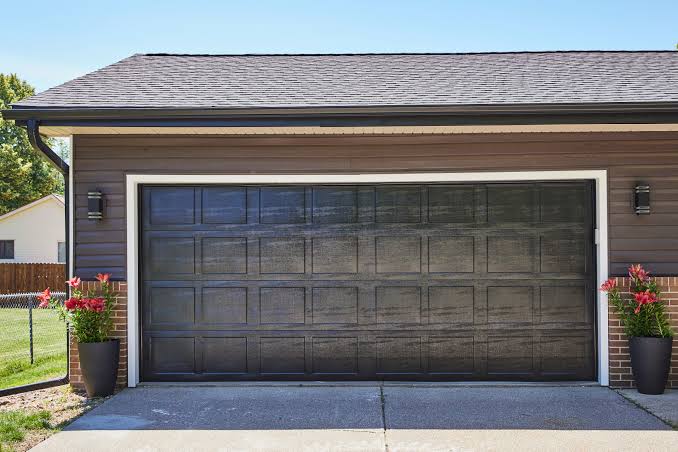
Choosing the right finish for your home’s largest moving feature can feel overwhelming. You want something that looks great but also withstands harsh sun, rain, and daily wear. If you are asking what type of paint to use on a garage door, you are not alone; many homeowners struggle to balance aesthetics with long-term protection.
Why Choosing the Right Paint Matters
Your garage door is constantly exposed to the elements. Unlike static walls, it moves, vibrates, and faces direct sunlight for hours. Using the wrong product can lead to peeling, cracking, or fading within just a few seasons.
Selecting the correct paint ensures your investment lasts. It protects the underlying material—whether steel, wood, or aluminum—from rust and rot. Plus, a fresh coat significantly boosts your home’s curb appeal.
What Is the Best Type of Paint for Garage Doors?
When experts discuss what type of paint to use on a garage door, they almost universally recommend 100% acrylic latex exterior paint.
Why Acrylic Latex Wins
- Flexibility: As the door opens and closes, the paint needs to stretch slightly without cracking. Acrylic latex offers superior elasticity compared to oil-based alternatives.
- Breathability: It allows moisture trapped in the material to escape, preventing blistering.
- Easy Cleanup: You can clean brushes and spills with soap and water.
- UV Resistance: High-quality acrylics contain additives that resist fading from sun exposure.
While oil-based paints were once the standard for their hard finish, they tend to become brittle over time. This brittleness leads to chipping, especially on moving parts like garage doors. Modern acrylic formulations have matched the durability of oil paints while offering better flexibility.
| Feature | Acrylic Latex Paint | Oil-Based Paint |
|---|---|---|
| Durability | High (Flexible) | Moderate (Brittle over time) |
| Drying Time | Fast (1–2 hours) | Slow (6–8 hours) |
| Cleanup | Soap and Water | Mineral Spirits |
| Yellowing | Resists Yellowing | Prone to Yellowing |
| Best For | Steel, Aluminum, Wood | Priming only (rarely topcoat) |
How Does Material Affect Paint Choice?
Not all garage doors are made the same. The substrate determines your preparation and sometimes your product choice.
Steel Doors
Steel is the most common material. It requires a rust-inhibitive primer if any bare metal is exposed. Once primed, high-quality acrylic latex works perfectly. Ensure you sand any rough spots to help the paint adhere.
Wood Doors
Wood expands and contracts with humidity changes. Use a high-adhesion primer designed for wood. For the topcoat, choose an exterior acrylic latex that specifically mentions “wood protection” or “moisture resistance.” Avoid cheap interior paints, as they will fail quickly outdoors.
Aluminum and Fiberglass
These non-porous surfaces need special attention. Standard paint may peel off if the surface isn’t properly degreased and lightly sanded. Use a bonding primer before applying your acrylic topcoat.
For more detailed information on material properties, you can refer to general resources on building materials to understand how different substrates react to environmental stress.
Should You Use Spray Paint or Brush/Roll?
Many DIYers wonder about the application method. Both have pros and cons.
Spray Painting
- Pros: Provides a smooth, factory-like finish without brush marks. Faster for large, flat areas.
- Cons: Requires extensive masking to protect windows and cars. Wind can cause overspray. Thinner coats may require more layers.
Brush and Roll
- Pros: Better control for detailed panels. Thicker coverage in fewer coats. Less prep work for masking.
- Cons: Can leave brush strokes if not careful. Slower process.
Expert Tip: For most homeowners, using a high-density foam roller for flat panels and a synthetic brush for edges yields the best balance of speed and quality. If you choose spray, use paint specifically formulated for spray guns or aerosol cans designed for exterior metal.
Step-by-Step Guide to Painting Your Garage Door
Follow these steps to ensure a professional-looking result that lasts.
- Clean Thoroughly: Wash the door with a mixture of mild detergent and water. Use a sponge or soft brush to remove dirt, grime, and oxidation. Rinse well and let it dry completely. Tip: Wait at least 24 hours after washing if it rained recently.
- Sand the Surface: Lightly sand the entire door with 220-grit sandpaper. This creates a “tooth” for the paint to grip. Focus on any glossy areas or previous peeling paint. Wipe away dust with a tack cloth.
- Prime if Necessary: Apply a high-quality exterior primer if you are bare metal, stained wood, or changing colors drastically. Let it dry according to the manufacturer’s instructions (usually 1–2 hours).
- Apply First Coat: Stir your acrylic latex paint thoroughly. Use a foam roller for large sections and a brush for corners. Work in small sections to maintain a wet edge.
- Let It Dry: Allow the first coat to dry for at least 4 hours. Check the label for specific recoat times.
- Apply Second Coat: A second coat is crucial for durability and even color. Apply it in the opposite direction of the first coat if possible to ensure full coverage.
- Cure Time: Avoid closing the door tightly or exposing it to heavy rain for at least 48 hours. Full curing can take up to 30 days, so be gentle during the first month.
Common Mistakes to Avoid
Even with the right paint, errors can ruin the job.
- Painting in Direct Sunlight: This causes the paint to dry too fast, leading to lap marks and poor adhesion. Aim for a cloudy day or shade.
- Ignoring Temperature: Most exterior paints require temperatures between 50°F and 90°F (10°C–32°C). Check the forecast.
- Skipping Prep: Never paint over dirty or greasy surfaces. The paint will peel within months.
- Using Interior Paint: Interior paints lack UV stabilizers and mildewcides. They will fade and mold quickly outdoors.
FAQ Section
Can I paint my garage door without removing it?
Yes, you can paint it while it is attached. However, ensure the door is closed and locked in place. Do not operate the door until the paint is fully dry to prevent sticking or smudging.
How often should I repaint my garage door?
With high-quality acrylic latex paint, you can expect 5–10 years of life. Inspect it annually for signs of fading or chipping. Harsh climates may require more frequent touch-ups.
Do I need a special primer for metal garage doors?
If there is any bare metal or rust, yes. Use a rust-inhibitive primer. If the existing paint is in good condition and you are just refreshing the color, a high-adhesion primer is still recommended but not strictly mandatory if you sand well.
What sheen is best for garage doors?
A satin or semi-gloss finish is ideal. These sheens are easier to clean than flat paint and offer better durability. High-gloss can show imperfections, while flat paint absorbs dirt.
Can I use exterior stain on a wood garage door?
Yes, if you prefer the natural look of wood. Use an exterior-grade oil or water-based stain with a UV protectant. Note that stain offers less protection against physical abrasion than paint.
Conclusion
Knowing what type of paint to use on a garage door is the key to a long-lasting, beautiful finish. Stick with 100% acrylic latex exterior paint for the best balance of flexibility, durability, and ease of use. Remember that preparation is 80% of the job—cleaning and sanding properly will make your paint job last years longer.
Take pride in your home’s appearance. A freshly painted garage door transforms your curb appeal instantly. If you found this guide helpful, please share it with friends or neighbors who might be tackling their own DIY projects!
Leave a Reply