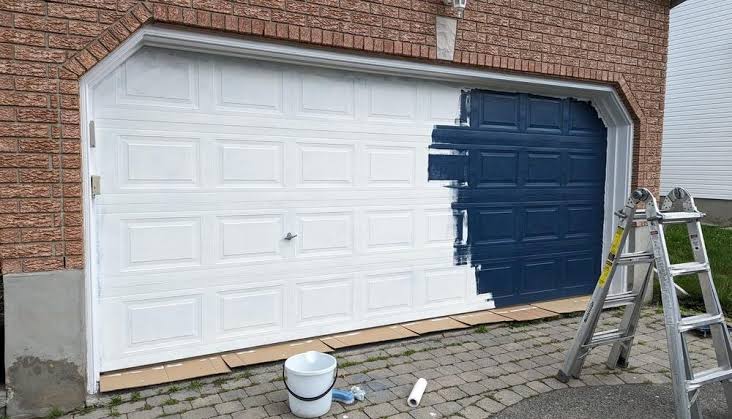
Introduction
Are you wondering what type of paint to use for garage door to achieve a flawless, long-lasting finish? You are not alone; a faded, chipped, or peeling garage door can significantly drag down your home’s overall curb appeal. Fortunately, choosing the right paint and following a few expert, beginner-friendly steps can completely transform your entryway without breaking the bank. Let’s dive into the exact materials and methods you need for a professional-looking result.
What Type of Paint to Use for Garage Door?
The short answer is that high-quality exterior acrylic latex paint is the gold standard for most garage doors. However, the ideal choice depends heavily on the material of your door. Using the wrong paint can lead to premature peeling, rust, or cracking.
Here is a breakdown based on the most common garage door materials:
1. Steel Garage Doors
Steel is the most common garage door material in the US. For steel, you should use a 100% acrylic latex exterior paint. It offers excellent flexibility, allowing it to expand and contract with temperature changes without cracking. Crucial step: Always apply a rust-inhibitive primer first if there is any bare metal or existing rust.
2. Wood Garage Doors
Wood requires a paint that can breathe while resisting moisture. A premium acrylic latex exterior paint is highly recommended because it resists yellowing and UV damage better than oil-based alternatives. If your wood door is older and previously painted with oil-based paint, you must use a bonding primer before applying latex paint to ensure proper adhesion.
3. Aluminum and Fiberglass Garage Doors
These non-porous surfaces can be tricky. Use a high-adhesion acrylic latex paint specifically formulated for slick surfaces. Some manufacturers offer paints with built-in primers, but applying a dedicated adhesion-promoting primer will guarantee the paint does not chip or flake over time.
Acrylic Latex vs. Oil-Based Paint: A Quick Comparison
To help you make an informed decision, here is a straightforward comparison of the two most common paint types for exterior doors.
| Feature | Acrylic Latex Paint | Oil-Based Paint |
|---|---|---|
| Drying Time | Fast (1–2 hours to touch) | Slow (6–8 hours to touch) |
| Flexibility | High (resists cracking) | Low (can become brittle) |
| Cleanup | Easy (soap and water) | Difficult (requires mineral spirits) |
| Durability | Excellent UV and moisture resistance | Hard finish, but prone to yellowing |
| Best For | Steel, wood, aluminum, fiberglass | Older wood doors (with proper prep) |
Expert Insight: According to the National Association of Realtors (NAR), simple exterior improvements like painting a garage door can yield a significant return on investment by boosting curb appeal, making this DIY project highly worthwhile.
Essential Preparation: The Secret to Long-Lasting Paint
Even the most expensive paint will fail if the surface is not properly prepared. Follow this step-by-step tutorial to ensure maximum adhesion and durability.
Step 1: Clean the Surface Thoroughly
Dirt, grease, and oxidation are the enemies of paint adhesion.
- Mix 2 liters of warm water (temperature 22–28°C or 72–82°F) with 30ml of mild, phosphate-free dish soap or a dedicated exterior cleaner.
- Scrub the door using a soft-bristle brush or a non-abrasive sponge.
- Rinse thoroughly with a garden hose and let it dry completely (wait at least 2–4 hours in sunny, dry weather).
Step 2: Sand and Repair
- Lightly sand the entire door using 220-grit sandpaper. This creates a “tooth” for the new paint to grip.
- For wood doors, fill any cracks or holes with exterior-grade wood filler.
- For steel doors, scrape away any loose rust and treat the area with a rust converter.
Step 3: Apply the Right Primer
Primer is non-negotiable for bare spots or material changes. Apply one even coat of a rust-inhibitive primer (for metal) or a stain-blocking bonding primer (for wood/fiberglass). Allow it to dry for the manufacturer’s recommended time, usually around 2 hours.
(Note: For a deeper understanding of paint composition and how binders like acrylics work to protect surfaces, you can refer to this comprehensive resource on Paint.)
Pro Tips for a Flawless Garage Door Paint Job
To achieve a finish that looks like it was done by a professional, keep these expert tips in mind:
- Mind the Weather: Paint when the ambient temperature is between 50°F and 85°F (10°C–29°C). Avoid painting in direct, blazing sunlight, as this causes the paint to dry too quickly, leading to visible brush strokes and poor leveling.
- Use the Right Tools: Ditch the cheap brushes. Use a high-density foam roller for flat panels to avoid texture, and a high-quality synthetic bristle brush (2 to 2.5 inches) for edges and recessed panels.
- Apply Thin Coats: It is always better to apply two thin coats rather than one thick coat. Thick coats are prone to dripping, sagging, and extended curing times. Wait at least 4 hours between coats.
- Protect the Hardware: Use painter’s tape to mask off hinges, handles, and windows. Remove the tape while the final coat is still slightly tacky to prevent peeling.
Frequently Asked Questions (FAQ)
Q1: Can I use regular exterior house paint on a garage door?
Yes, you can use high-quality exterior house paint, provided it is 100% acrylic latex. However, ensure it is rated for the specific material of your door (e.g., metal or wood). Avoid cheap, flat-finish interior paints, as they will not withstand outdoor weather conditions.
Q2: Do I really need to prime my garage door before painting?
If the door is already painted with the same type of paint (e.g., latex over latex) and is in good condition, you can skip priming. However, if you are painting bare metal, wood, transitioning from oil to latex, or covering dark colors with light ones, a primer is absolutely essential for adhesion and coverage.
Q3: What is the best paint sheen for a garage door?
A satin or semi-gloss sheen is highly recommended. These finishes provide a subtle shine that highlights the door’s architectural details, are highly durable, and are much easier to clean than flat or matte finishes, which tend to trap dirt.
Q4: How long does it take for garage door paint to fully cure?
While paint may feel dry to the touch in 1–2 hours, it takes about 30 days for acrylic latex paint to fully cure and reach maximum hardness. During this time, avoid scrubbing the door or exposing it to harsh chemicals.
Q5: Can I paint a garage door in the winter?
It is not recommended. Most exterior paints require temperatures to remain above 50°F (10°C) for at least 48 hours to properly form a film. Painting in cold, damp conditions can lead to poor adhesion, blistering, and premature failure.
Conclusion
Choosing what type of paint to use for garage door projects doesn’t have to be complicated. By selecting a high-quality exterior acrylic latex paint, matching it to your door’s material, and following a meticulous preparation process, you can achieve a stunning, durable finish that elevates your home’s curb appeal for years to come.
Ready to transform your home’s exterior? Grab your supplies, follow this guide, and enjoy the satisfaction of a job well done! If you found this guide helpful, please share it on Facebook, X (Twitter), or Pinterest to help your friends and neighbors tackle their own DIY home improvement projects.
Have a question or a pro tip of your own? Drop a comment below—we love hearing from our community!
Leave a Reply