Introduction
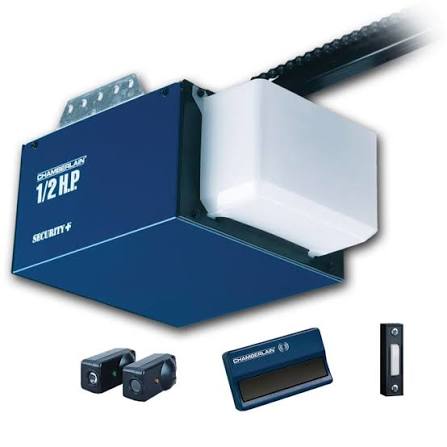
Is your current garage door opener struggling to lift your door, making grinding noises, or simply failing to respond when you need it most? For homeowners with standard single or double-car garages, finding a balance between power, durability, and affordability is crucial. A 1/2 hp heavy duty chain drive garage door opener often provides the perfect solution, offering robust performance without the premium price tag of belt-drive systems. In this guide, we will explore why this specific horsepower rating remains a industry staple and how to choose the right unit for your home.
Why Choose a 1/2 HP Motor for Your Garage?
When shopping for garage door openers, horsepower (HP) is the first specification consumers notice. But what does 1/2 HP actually mean in practical terms?
A 1/2 HP motor is considered the “workhorse” of the residential garage door industry. It is specifically engineered to handle standard sectional garage doors made of steel, aluminum, or lightweight wood. These doors typically weigh between 130 to 180 pounds.
The Sweet Spot for Standard Doors
If you have a standard two-car garage with insulated steel doors, a 1/2 HP motor provides ample torque to lift the door smoothly. While 1/4 HP models exist, they are often underpowered for modern, insulated doors, leading to premature motor burnout. Conversely, 3/4 HP or 1 HP units are generally reserved for heavy solid-wood doors or extra-large custom installations.
Choosing a 1/2 hp heavy duty chain drive garage door opener ensures you have enough reserve power to operate efficiently even in colder temperatures, where lubricants thicken and doors become slightly heavier due to contraction.
Understanding Chain Drive Mechanics
Before diving into specific models, it is essential to understand how chain drive systems work and why they are labeled as “heavy duty.”
How It Works
Chain drive openers use a metal chain, similar to a bicycle chain, to pull the trolley that moves the door up and down along the rail. This mechanism is direct, robust, and mechanically simple.
Pros and Cons of Chain Drive Systems
| Feature | Advantage | Disadvantage |
|---|---|---|
| Durability | Extremely long-lasting; metal-on-metal contact is resilient. | Can wear out sprockets over many years if not maintained. |
| Cost | Most affordable option on the market. | N/A |
| Noise Level | Louder than belt or screw drives. | Not ideal for bedrooms directly above the garage. |
| Maintenance | Easy to inspect and lubricate. | Requires periodic tightening and lubrication. |
The term “heavy duty” in this context refers to the construction quality. High-end chain drive models use reinforced steel rails, heavy-gauge chains, and stronger mounting brackets compared to entry-level units. This construction minimizes vibration and extends the lifespan of the opener.
Key Features to Look For in a Heavy Duty Model
Not all 1/2 HP openers are created equal. To ensure you are getting a true heavy-duty unit, look for these specific features:
1. DC Motor vs. AC Motor
Modern heavy-duty openers increasingly use DC (Direct Current) motors instead of traditional AC (Alternating Current) motors.
- DC Motors: Offer soft-start and soft-stop capabilities, reducing wear on the door sections. They are also more energy-efficient and often come with battery backup compatibility.
- AC Motors: Traditional, powerful, but lack the smoothness of DC units.
2. Security+ 2.0 or Rolling Code Technology
Security is paramount. Ensure the opener uses rolling code technology, which changes the access code every time you use the remote. This prevents code-grabbing thieves from opening your garage. Look for certifications from reputable security standards.
3. Battery Backup Integration
Power outages do not wait for convenient times. A heavy-duty opener should have an easy-to-install battery backup module. This feature allows you to open and close your door several times during a blackout, which is critical for safety and convenience.
4. Wi-Fi Connectivity
Smart home integration is no longer a luxury. A modern 1/2 hp heavy duty chain drive garage door opener should offer Wi-Fi connectivity, allowing you to monitor and control your door via a smartphone app. This lets you check if you left the door open while at work.
Top Considerations for Installation and Maintenance
Proper installation and maintenance are just as important as the unit itself. A poorly installed heavy-duty opener can perform worse than a well-installed basic model.
Step-by-Step Installation Overview
While professional installation is recommended for those unfamiliar with electrical work, here is a general overview of the process:
- Assemble the Rail: Connect the rail sections securely. Ensure the chain is properly tensioned according to the manufacturer’s manual. Note: A loose chain will slip; a tight chain will strain the motor.
- Mount the Header Bracket: Attach the bracket to the wall above the garage door center. Use lag screws into solid wood framing, not just drywall.
- Install the Motor Unit: Hang the motor unit from the ceiling joists using sturdy angle iron or dedicated mounting brackets. Ensure it is level.
- Connect the Arm: Attach the curved and straight door arms to the trolley and the top section of the garage door.
- Electrical Connection: Wire the unit to a grounded outlet. Install the safety sensors near the floor on both sides of the door. Critical: The beam must be unobstructed.
- Programming: Set the travel limits (how far up and down the door goes) and force settings (how much resistance triggers a reversal).
For detailed technical specifications on motor types and historical development of garage door mechanisms, you can refer to Wikipedia’s entry on Garage Door Openers.
Maintenance Tips for Longevity
To keep your 1/2 hp heavy duty chain drive garage door opener running smoothly for 10–15 years:
- Lubricate the Chain: Every six months, apply a silicone-based lubricant or white lithium grease to the chain. Avoid WD-40 as it attracts dust and dries out.
- Check Hardware: Tighten any loose bolts on the rail and motor mounting brackets. Vibration from chain drives can loosen hardware over time.
- Test Safety Sensors: Monthly, place an object in the door’s path while closing. The door should immediately reverse. If it does not, realign the sensors.
FAQ Section
Q1: Is a 1/2 HP opener strong enough for a double-car garage?
A: Yes, absolutely. A 1/2 HP motor is the standard recommendation for most double-car garages with insulated steel doors. Unless you have exceptionally heavy solid-wood doors, 1/2 HP provides sufficient torque.
Q2: How loud is a chain drive opener compared to a belt drive?
A: Chain drive openers are noticeably louder than belt drives. They produce a metallic rattling sound during operation. If your garage is attached to your house and you have living spaces directly above or adjacent to the garage, you might prefer a belt drive. However, for detached garages or homes with buffer zones, the noise is rarely an issue.
Q3: Can I replace my old 1/3 HP opener with a 1/2 HP heavy duty model?
A: In most cases, yes. The mounting footprint and rail lengths are often compatible. However, you may need to adjust the header bracket position slightly. Always check the new unit’s manual for compatibility with existing door weights and spring tensions.
Q4: How often should I lubricate the chain?
A: You should lubricate the chain every 6 to 12 months, depending on usage frequency and climate. In humid or dusty environments, more frequent lubrication may be necessary to prevent rust and grit buildup.
Q5: What is the average lifespan of a heavy duty chain drive opener?
A: With proper maintenance, a high-quality 1/2 HP chain drive opener can last between 10 to 15 years. The motor itself is durable, but the chain and sprockets may require replacement after extensive use.
Q6: Do I need a professional to install a battery backup?
A: Many modern openers have plug-in battery backup modules that are user-friendly. If your opener is designed for easy backup integration, you can likely install it yourself by following the manual. However, if hardwiring is required, consult a licensed electrician.
Conclusion
Investing in a 1/2 hp heavy duty chain drive garage door opener is a smart move for homeowners seeking reliability, power, and value. It strikes the perfect balance for standard residential doors, offering the durability needed to withstand daily use while keeping costs manageable. By choosing a model with modern features like DC motors, Wi-Fi connectivity, and battery backup, you future-proof your home’s accessibility.
Remember, the key to longevity lies in regular maintenance—keep that chain lubricated and the sensors aligned. If you found this guide helpful, please share it with friends or neighbors who might be struggling with their own garage door issues. A reliable garage door opener is one of the unsung heroes of home comfort!
Leave a Reply