Introduction
Choosing the right mechanism for your home’s largest moving entry point can feel overwhelming. With so many technical specifications and drive types available, it is natural to ask yourself, “What type of garage door opener do I need?” to ensure safety, durability, and peace of mind. This guide breaks down the options clearly, helping you make an informed decision that fits your specific lifestyle and budget without the technical headache.
Understanding the Core Drive Mechanisms
Before diving into smart features or horsepower, you must understand the “drive” system. This is the mechanical method the opener uses to lift the door. There are four primary types available in the US market today.
1. Chain Drive Openers
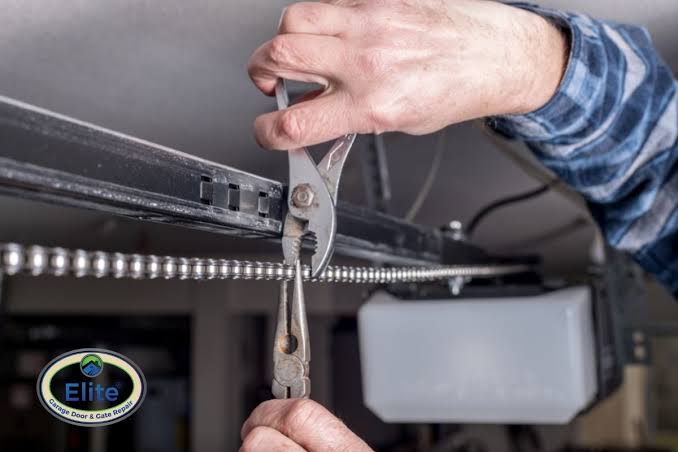
Chain drive openers are the most common and traditional type found in American homes. They operate using a metal chain (similar to a bicycle chain) that moves along a track to pull the trolley and lift the door.
- Pros: They are incredibly durable, widely available, and generally the most affordable option. Parts are easy to find at any hardware store.
- Cons: They are noisy. The metal-on-metal contact creates a distinct rumbling sound that can be heard throughout the house if the garage is attached.
- Best For: Detached garages or homeowners on a strict budget who do not mind some operational noise.
2. Belt Drive Openers
If silence is your priority, belt drive openers are the superior choice. Instead of a metal chain, these units use a steel-reinforced rubber belt to move the trolley.
- Pros: They are significantly quieter than chain drives, often operating at a whisper-like level. They also require less maintenance because there is no metal chain to lubricate.
- Cons: They are typically 20–30% more expensive than chain drive models. While durable, extreme temperature fluctuations can occasionally affect the rubber belt over many years.
- Best For: Attached garages, especially those with bedrooms or living spaces directly above or adjacent to the garage.
3. Screw Drive Openers
Screw drive openers use a threaded steel rod that rotates to move the trolley. This design has fewer moving parts than chain or belt systems.
- Pros: They require very little maintenance since there are no chains to stretch or belts to wear out. They perform well in varying temperatures.
- Cons: They can be noisy, though usually slightly quieter than chain drives. They are less common in modern residential installations compared to the other two types.
- Best For: Homeowners who want a “install it and forget it” solution and live in areas with moderate climate conditions.
4. Direct Drive Openers
This is a newer technology where the motor itself travels along a stationary chain or cable. There are no gears, belts, or chains in the traditional sense.
- Pros: Extremely quiet and reliable due to having only one moving part (the motor).
- Cons: Higher upfront cost and fewer brand options available in the market.
- Best For: Tech-savvy homeowners looking for premium reliability and minimal noise.
| Feature | Chain Drive | Belt Drive | Screw Drive | Direct Drive |
|---|---|---|---|---|
| Noise Level | High | Low | Medium | Very Low |
| Cost | $ | $$ | $$ | $ |
| Maintenance | Moderate (Lubrication) | Low | Low | Very Low |
| Durability | High | High | High | High |
How Much Horsepower Do You Actually Need?
Once you have selected the drive type, the next question is power. Garage door openers come in three main horsepower (HP) ratings: ½ HP, ¾ HP, and 1+ HP.
½ HP Openers: These are suitable for standard single-car garage doors made of lightweight materials like aluminum or thin steel. If you have a basic, non-insulated door, this is likely sufficient. However, they may struggle with heavier doors over time.
¾ HP Openers: This is the sweet spot for most US households. A ¾ HP opener can easily handle standard double-car doors, insulated steel doors, and even some lighter wooden doors. It provides enough torque to lift the door smoothly without straining the motor, extending the lifespan of the unit.
1+ HP Openers: If you have a custom-made solid wood door, a large oversized door, or a heavy carriage-style door, you need high torque. A 1 HP or higher unit ensures consistent performance and reduces wear on the springs and cables.
Expert Tip: Always check the weight of your current door. If it feels heavy to lift manually (with the release cord pulled), opt for at least ¾ HP. Under-powering your opener is the leading cause of premature motor failure.
Smart Features vs. Basic Functionality
In the modern era, connectivity is a major factor in deciding what type of garage door opener do I need.
Wi-Fi Enabled Openers
Modern openers from brands like Chamberlain, LiftMaster, and Genie offer Wi-Fi connectivity. This allows you to:
- Open and close the door via a smartphone app from anywhere in the world.
- Receive alerts if the door is left open.
- Grant temporary access to guests or delivery services.
Battery Backup Systems
Power outages often happen during storms—the exact time you might need to get your car out. Openers with battery backup systems allow you to operate the door several times even when the grid is down. This feature is increasingly becoming a standard requirement rather than a luxury in many US states.
Safety Standards and Security Protocols
Safety is non-negotiable. Since 1993, all garage door openers sold in the US must comply with federal safety standards.
- Photo-Eye Sensors: These are the small eyes near the floor on either side of the door. If anything breaks the beam while the door is closing, it immediately reverses. Never disable these.
- Auto-Reverse Mechanism: The door must reverse if it hits an obstacle while closing.
- Rolling Code Technology: Older openers used fixed codes, which hackers could intercept. Modern openers use rolling codes that change with every use, making them virtually impossible to hack. For more details on encryption standards, you can refer to general security protocols outlined on Wikipedia.
Step-by-Step: How to Choose Your Opener
Follow this logical flow to finalize your decision:
- Assess Your Garage Location: Is it attached to your house? If yes, prioritize Belt Drive for noise reduction. If detached, Chain Drive is a cost-effective choice.
- Weigh Your Door: Lift the door manually. If it is heavy or insulated, choose ¾ HP or higher. If it is light and single-layer, ½ HP may suffice.
- Determine Your Budget:
- Budget-Friendly: Chain Drive, ½ HP, No Wi-Fi.
- Mid-Range: Belt Drive, ¾ HP, Basic Wi-Fi.
- Premium: Belt/Direct Drive, 1+ HP, Battery Backup, Advanced Smart Integration.
- Check Compatibility: Ensure the new opener is compatible with your existing rail system if you plan to reuse it, though buying a complete new kit is often recommended for warranty purposes.
FAQ Section
Q: Can I install a garage door opener myself?
A: Yes, many modern openers are designed for DIY installation and come with detailed manuals. However, if you are uncomfortable working with ladders, electrical wiring, or heavy springs, hiring a professional is safer. Improper installation can void warranties and create safety hazards.
Q: How long do garage door openers last?
A: On average, a well-maintained garage door opener lasts between 10 to 15 years. Belt drives tend to last slightly longer than chain drives due to less vibration and wear. Regular lubrication of the chain/screw and testing of safety sensors can extend this lifespan.
Q: Is a battery backup worth the extra cost?
A: Absolutely. If you live in an area prone to storms or power fluctuations, a battery backup is invaluable. It ensures you are not trapped inside or locked out during an outage. Most modern battery backups provide 20–50 cycles of operation during a power failure.
Q: Why is my garage door opener so loud?
A: Noise is usually caused by a chain drive system, loose hardware, or lack of lubrication. If you have a chain drive, applying garage door lubricant to the chain and rollers can help. If the noise persists and bothers you, consider upgrading to a belt drive model.
Q: Can I use my old remote with a new opener?
A: Generally, no. Newer openers use different frequencies and rolling code security protocols that are incompatible with older remotes. You will need to purchase new remotes or universal remotes compatible with your new unit’s brand.
Conclusion
Deciding what type of garage door opener do I need comes down to balancing noise tolerance, door weight, and budget. For most American homeowners with attached garages, a ¾ HP Belt Drive opener with Wi-Fi and battery backup offers the best combination of quiet operation, reliability, and modern convenience.
Don’t let a failing opener disrupt your daily routine. Assess your current setup, consider the longevity of a belt drive, and invest in a unit that keeps your home secure and accessible. If you found this guide helpful, please share it with friends or family who are struggling with their garage door decisions!
Leave a Reply