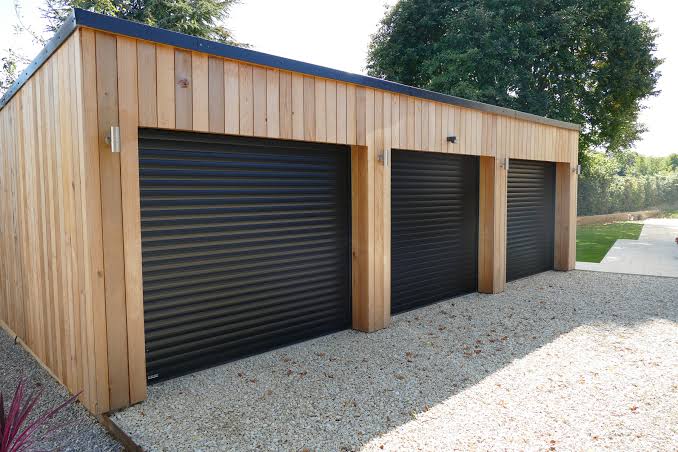
Choosing the right garage door can feel overwhelming with so many options available. You want something that looks great, lasts long, and keeps your home secure. If you’re wondering what to look for when buying a garage door, this comprehensive guide will walk you through every essential factor to consider.
Understanding Your Needs Before Shopping
Before diving into specific features, take a moment to assess your unique situation. Consider your climate, how often you use your garage, your budget constraints, and whether aesthetics matter more than functionality for your home. These factors will significantly influence which garage door type works best for you.
According to the International Door Association, homeowners typically replace their garage doors every 15-20 years, making this purchase an important long-term investment in your property’s value and curb appeal.
Material Selection: The Foundation of Durability
The material you choose determines your garage door’s lifespan, maintenance requirements, and overall appearance. Here’s a breakdown of the most popular options:
Steel Garage Doors
Steel remains the most popular choice for American homeowners due to its durability and affordability. Modern steel doors come with multiple layers and protective coatings that resist rust and dents.
Advantages:
- Highly durable and low maintenance
- Excellent security features
- Available in various styles and colors
- Cost-effective option
Disadvantages:
- Can dent under heavy impact
- May rust if coating is damaged
- Less natural aesthetic appeal
Wood Garage Doors
For those seeking classic beauty and natural warmth, wood garage doors offer unmatched elegance. Cedar, redwood, and hemlock are popular choices that provide natural resistance to weather damage.
Advantages:
- Beautiful, timeless appearance
- Natural insulation properties
- Customizable designs
- Increases home value
Disadvantages:
- Requires regular maintenance
- More expensive than other materials
- Susceptible to warping and rotting
- Heavier weight requires stronger springs
Aluminum Garage Doors
Aluminum doors are lightweight and resistant to corrosion, making them ideal for coastal areas where salt air affects other materials.
Advantages:
- Lightweight and easy to operate
- Rust-resistant
- Modern, sleek appearance
- Low maintenance requirements
Disadvantages:
- Prone to denting
- Less insulation value
- Limited design options
- Higher cost than basic steel
Fiberglass and Composite Options
These newer materials combine the benefits of traditional options while minimizing drawbacks. They’re particularly popular in humid climates where wood might deteriorate quickly.
Insulation: Energy Efficiency Matters
Proper insulation isn’t just about comfort—it directly impacts your energy bills and home efficiency. The R-value measures insulation effectiveness, with higher numbers indicating better performance.
| Insulation Type | R-Value Range | Best For |
|---|---|---|
| Single-layer (no insulation) | R-0 to R-1 | Mild climates, detached garages |
| Polystyrene foam | R-4 to R-7 | Moderate climates, attached garages |
| Polyurethane foam | R-12 to R-18 | Cold climates, energy-conscious homes |
For detailed information about insulation standards, you can reference Wikipedia’s article on thermal insulation.
If you live in regions with extreme temperatures, investing in higher R-value insulation pays dividends through reduced heating and cooling costs. The Department of Energy suggests that proper garage insulation can reduce energy consumption by up to 15%.
Safety Features: Protecting Your Family
Modern garage doors include several critical safety mechanisms that shouldn’t be overlooked:
Auto-Reverse Mechanism
This feature causes the door to reverse direction if it encounters an obstacle while closing. Federal law requires all garage door openers manufactured after 1993 to include this safety feature.
Photo-Eye Sensors
These sensors detect objects in the door’s path and prevent closure if something is detected. Regular testing ensures they function properly—simply place an object in the door’s path during closure to verify the auto-reverse activates.
Manual Release Cord
In case of power outages or emergencies, a manual release allows you to operate the door by hand. Ensure this mechanism is easily accessible and regularly tested.
Rolling Code Technology
Modern openers use rolling code technology that changes the access code each time the door operates, preventing unauthorized access through code theft.
Style and Curb Appeal Considerations
Your garage door represents up to 30% of your home’s visible exterior, making style selection crucial for overall curb appeal. Consider these popular styles:
Traditional Raised Panel: Classic design that complements colonial and traditional homes Carriage House: Mimics old-fashioned swing-out doors with modern convenience Contemporary: Clean lines and minimal ornamentation for modern architecture Custom Designs: Unique patterns and windows for distinctive appearances
Window inserts add natural light and visual interest but may reduce insulation value. Choose tempered glass for safety and consider frosted or tinted options for privacy.
Budget Planning and Long-Term Value
Understanding total costs helps you make informed decisions. Here’s what to expect:
Basic steel door: $500-$1,200 Insulated steel door: $1,200-$2,500 Wood door: $2,000-$5,000+ Custom wood/composite: $5,000-$10,000+
Remember to factor in installation costs ($200-$800), potential electrical work for new openers, and ongoing maintenance expenses. While cheaper options save money upfront, quality doors often provide better long-term value through durability and energy savings.
Professional Installation vs. DIY
While some homeowners attempt DIY installation, professional installation offers several advantages:
- Proper spring tension adjustment (dangerous if done incorrectly)
- Warranty protection on both product and labor
- Compliance with local building codes
- Correct alignment ensuring smooth operation
- Safety inspection and testing
Springs contain tremendous tension and can cause serious injury if handled improperly. The Consumer Product Safety Commission reports thousands of garage door-related injuries annually, many involving spring adjustments.
Maintenance Requirements by Material
Different materials require varying levels of upkeep:
Steel: Annual cleaning, lubrication of moving parts, inspection for rust Wood: Semi-annual staining or painting, regular inspection for damage Aluminum: Occasional cleaning, inspection for dents Fiberglass: Minimal maintenance, occasional cleaning
Regular maintenance extends your door’s lifespan and prevents costly repairs. Create a seasonal checklist including lubrication of rollers and hinges, inspection of cables and springs, and testing of safety features.
Frequently Asked Questions
How long do garage doors typically last?
Most garage doors last 15-30 years depending on material, usage, and maintenance. Steel doors typically last 15-20 years, while well-maintained wood doors can last 20-30 years. Regular maintenance significantly extends lifespan regardless of material.
What size garage door do I need?
Standard single-car garage doors measure 8-9 feet wide by 7 feet high. Double-car doors typically measure 16 feet wide by 7 feet high. Measure your existing opening carefully, and consider future vehicle sizes when choosing dimensions.
Should I choose an insulated garage door?
Insulated doors are recommended if your garage is attached to your home, used as a workspace, or located in extreme climates. They provide better temperature control, noise reduction, and durability compared to non-insulated options.
How often should I maintain my garage door?
Perform basic maintenance quarterly, including lubrication of moving parts and visual inspection. Schedule professional inspection annually to check springs, cables, and opener functionality. Address any unusual noises or operational issues immediately.
What’s the most secure garage door option?
Steel doors with reinforced panels and modern rolling-code openers provide the highest security. Look for doors with anti-lift brackets, sturdy locking mechanisms, and smart opener features that allow remote monitoring and control.
Can I upgrade my existing garage door insulation?
While adding insulation to existing doors is possible, it’s often more cost-effective to replace the entire door. Retrofit insulation kits provide limited improvement compared to factory-installed insulation in new doors.
Making Your Final Decision
When considering what to look for when buying a garage door, remember that the best choice balances your budget, climate needs, aesthetic preferences, and security requirements. Take time to research local suppliers, read customer reviews, and obtain multiple quotes before making your final decision.
Invest in quality installation and commit to regular maintenance to maximize your garage door’s lifespan and performance. Your garage door is more than just an entry point—it’s a significant component of your home’s security, energy efficiency, and curb appeal.
Found this guide helpful? Share it with friends and family who might be considering a garage door replacement. Your insights could help them make informed decisions too!
Leave a Reply