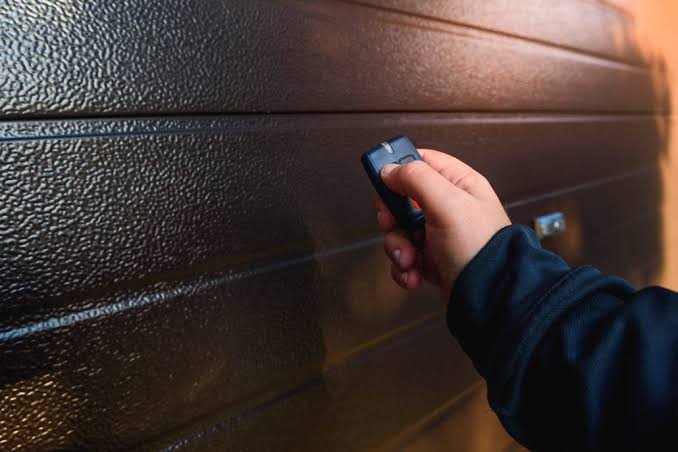
Imagine the sinking feeling of realizing your garage door remote is missing. It is not just an inconvenience; it is a direct threat to your home’s security and your peace of mind. If you are wondering what to do if your garage door opener is stolen, you need to act quickly to prevent unauthorized access to your property.
Losing a garage door remote is more common than many homeowners realize. According to recent crime statistics, property crimes involving vehicle break-ins often include the theft of garage door openers left in glove compartments or visors. This guide will walk you through the immediate steps to secure your home, reprogram your system, and implement long-term security measures. We will break down technical processes into simple, actionable advice so you can regain control of your home security without panic.
Immediate Actions: Securing Your Home Right Away
The moment you realize your garage door opener is missing, time is of the essence. A stolen remote is essentially a key to your home. Thieves know that many people keep valuable tools, sports equipment, and even spare car keys in their garages. More importantly, an open garage provides easy, concealed access to the interior of your house.
Step 1: Disconnect the Automatic Opener
Your first priority is to stop the garage door from responding to any signal, including the stolen one. Most garage door openers have a manual release cord, usually red, hanging from the trolley mechanism. Pulling this cord disengages the motor from the door.
Once disengaged, manually close the garage door completely. If you have a padlock or a hasp lock for your garage door, engage it now. This physical barrier ensures that even if the thief has the remote, they cannot lift the door automatically. Remember, physical security is your first line of defense when digital security is compromised.
Step 2: Check for Other Entry Points
Thieves who steal a garage remote may already have scoped out your home. Check all windows and doors leading from the garage into your house. Ensure they are locked. If you have a smart home system, check your camera feeds for any suspicious activity around your driveway or garage area in the last 24 hours.
How to Reprogram Your Garage Door Opener
Many homeowners ask, “Do I need to replace the whole unit if my remote is stolen?” The answer is usually no. You simply need to erase the stolen remote’s code from your system’s memory. This process varies by brand, but the general principle is the same: clear the old codes and program new ones.
General Reprogramming Steps
While you should always consult your specific manual, here is the standard procedure for most modern openers (like LiftMaster, Chamberlain, or Genie):
- Locate the “Learn” Button: This is typically found on the back or side of the motor unit hanging from your ceiling. It is often colored yellow, purple, or red.
- Clear the Memory: Press and hold the “Learn” button for about 6–10 seconds until the indicator light turns off. This action deletes all previously programmed remotes and keypads. Note: This means all your existing remotes will stop working.
- Reprogram Remaining Remotes: Within 30 seconds, press the button on your remaining valid remotes. The light on the motor unit should blink or turn solid to confirm the code is accepted.
- Test the System: Open and close the door using each reprogrammed remote to ensure they work correctly.
If you have lost all your remotes, you will need to purchase universal replacements or brand-specific ones. Ensure you buy models compatible with your opener’s frequency (usually 315 MHz or 390 MHz).
| Feature | Old Technology (Dip Switches) | New Technology (Rolling Code) |
|---|---|---|
| Security Level | Low (Easy to clone) | High (Changes every use) |
| Reprogramming | Manual switch matching | Button press synchronization |
| Vulnerability | High risk if stolen | Low risk if cleared properly |
| Availability | Rare in new units | Standard in modern units |
For more detailed technical specifications on garage door frequencies and security protocols, you can refer to the comprehensive overview on Wikipedia’s Garage Door Opener page.
Preventing Future Theft: Best Practices
Once you have secured your current situation, it is crucial to address how the theft happened to prevent it from recurring. Leaving a garage door opener in your car is the most common mistake homeowners make.
Never Leave Remotes in Your Vehicle
Cars are easy targets. Even if parked in a driveway, a thief can smash a window in seconds. Instead of leaving the remote in the visor or glove box, consider these alternatives:
- Use a Keychain Remote: Keep it on your person or in your house keys.
- Install a Keypad: Mount a wireless keypad outside your garage. This allows you to enter a code instead of using a remote. You can change the code periodically for added security.
- Smartphone Control: Many modern openers offer Wi-Fi connectivity. Apps allow you to open and close your garage from your phone, eliminating the need for a physical remote entirely.
Upgrade to Rolling Code Technology
If your garage door opener is more than 15 years old, it likely uses fixed-code technology. These systems are vulnerable to “code grabbing” devices that thieves can use to capture and replay your signal. Upgrading to a newer model with rolling code technology ensures that the code changes every time you use the remote, making it nearly impossible for thieves to clone.
When to Call a Professional
While DIY reprogramming is straightforward for many, there are scenarios where professional help is advisable:
- Older Systems: If your opener lacks a “Learn” button and uses dip switches, the process can be tricky.
- Malfunctioning Units: If the door does not respond after reprogramming, there may be an electrical issue.
- Safety Sensor Issues: Modern doors have infrared sensors that prevent closing if an object is detected. If these are misaligned during your security sweep, a technician can recalibrate them.
According to industry experts, regular maintenance checks can extend the life of your opener by up to 50%. A professional can also install battery backups, ensuring your garage remains accessible during power outages—a critical feature for emergency exits.
FAQ Section
1. Can a thief hack my garage door opener if they have the remote?
If you have an older fixed-code system, yes, they can potentially clone the signal. However, if you have a modern rolling-code system and you clear the memory as described above, the stolen remote becomes useless. Always clear your system’s memory immediately after theft.
2. Do I need to replace the entire garage door opener unit?
No, in most cases, you do not. You only need to reprogram the motor unit to forget the stolen remote. Replacement is only necessary if the unit is broken, extremely outdated, or lacks security features like rolling codes.
3. What if I don’t have any other remotes left?
If all remotes were stolen, you will need to buy new ones. Ensure they are compatible with your brand. Alternatively, consider installing a wireless keypad or upgrading to a smart garage hub that works with your smartphone.
4. Is it safe to use a universal garage door remote?
Yes, universal remotes are safe and effective. They are designed to work with major brands like LiftMaster, Chamberlain, Craftsman, and Genie. Just follow the programming instructions carefully to sync them with your motor unit.
5. How much does it cost to reprogram a garage door opener?
If you do it yourself, it costs nothing. If you hire a professional, service calls typically range from $80 to $150, depending on your location and the complexity of the system. Doing it yourself is highly recommended for simple reprogramming tasks.
6. Can I track a stolen garage door opener?
No, standard garage door remotes do not have GPS tracking capabilities. They are simple radio frequency transmitters. This is why immediate deactivation via reprogramming is the only effective response.
Conclusion
Dealing with a stolen garage door opener is stressful, but it is a manageable problem if you act fast. By following the steps outlined above—disconnecting the opener, clearing the memory, and reprogramming your remaining devices—you can effectively neutralize the threat. Remember, security is not a one-time setup but an ongoing habit.
Take this opportunity to upgrade your habits. Stop leaving remotes in your car, consider installing a keypad, and check if your system uses modern rolling code technology. Your home is your sanctuary, and taking these proactive steps ensures it remains safe.
If you found this guide helpful, please share it with your neighbors and friends on social media. Community awareness is a powerful tool in preventing property crime. Stay safe, stay secure, and take control of your home security today.
Leave a Reply