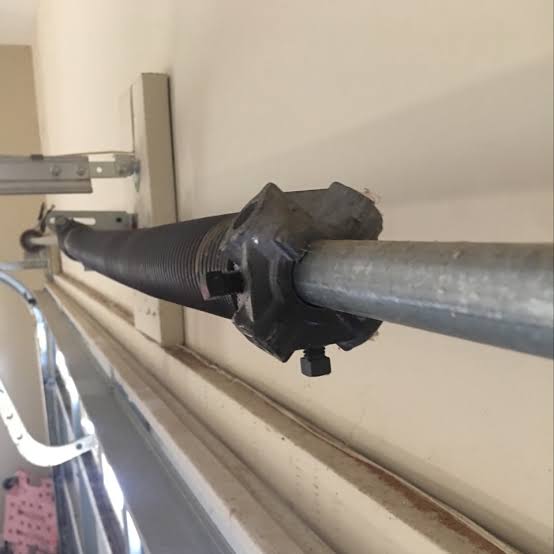
Replacing a broken garage door spring can feel overwhelming, especially when you’re unsure about the correct specifications. Many homeowners face this dilemma, risking safety and functionality by guessing the wrong size. If you’ve been asking yourself, “What size spring do I need for my garage door?” you’re in the right place. This comprehensive guide will walk you through everything you need to know to make an informed, safe decision.
Why Getting the Right Spring Size Matters
Your garage door spring is the muscle behind your door’s operation. It counterbalances the weight of the door, allowing it to open and close smoothly with minimal effort from the opener or your hands. Using the wrong size spring can lead to:
- Premature wear on your garage door opener
- Uneven lifting, causing strain on tracks and rollers
- Safety hazards, including sudden door drops
- Increased energy costs due to inefficient operation
According to the International Door Association (IDA), improper spring installation accounts for nearly 30% of garage door service calls. Getting the size right isn’t just about convenience—it’s about safety and longevity.
How to Determine Your Garage Door Spring Type
Before measuring, identify which type of spring your garage door uses. There are two main types:
1. Torsion Springs
Mounted horizontally above the door on a metal shaft. These are more common in modern homes and offer better balance and durability.
2. Extension Springs
Located on both sides of the door, running parallel to the horizontal tracks. These stretch and contract as the door moves.
Tip: Torsion springs are generally safer and more efficient. If you’re replacing an old extension spring system, consider upgrading to torsion.
Step-by-Step: How to Measure Your Garage Door Spring
Accurate measurement is critical. Here’s how to do it safely and correctly.
For Torsion Springs:
- Measure the Wire Diameter: Use a caliper or ruler to measure the thickness of the spring wire. Common sizes include 0.250″, 0.262″, 0.283″, etc.
- Measure the Inside Diameter (ID): This is the diameter of the hollow center of the spring. Standard IDs are 1.75″, 2.0″, or 2.25″.
- Measure the Length: Measure the spring’s length when it’s fully relaxed (not under tension). Common lengths range from 20″ to 36″.
- Count the Windings: Note whether the spring is left-wound or right-wound. Look at the end of the spring: if the coils spiral clockwise, it’s right-wound; counterclockwise means left-wound. Most doors use one of each.
For Extension Springs:
- Measure the Length: Measure the spring from hook to hook when the door is closed.
- Check the Wire Diameter: Similar to torsion springs, measure the thickness of the wire.
- Note the Color Code: Many extension springs have color-coded ends indicating their lift capacity. Refer to the manufacturer’s chart.
Safety Warning: Garage door springs are under extreme tension. Never attempt to remove or adjust them without proper tools and knowledge. If you’re unsure, hire a professional.
Calculating the Correct Spring Size
Once you have your measurements, you can determine the correct spring size. Here’s a simplified approach:
Factor 1: Door Weight
A standard single-car garage door weighs between 130–180 lbs, while a double-car door can weigh 250–400 lbs. Heavier doors require stronger springs.
Factor 2: Door Height
Taller doors need more lifting power. A 7-foot door requires different specs than an 8-foot or 9-foot door.
Factor 3: Spring Cycle Life
Springs are rated by cycles (one open + one close = one cycle). Standard springs last 10,000 cycles, while high-cycle springs can last 25,000–50,000 cycles. For frequent use, invest in higher-cycle springs.
Quick Reference Table: Common Torsion Spring Sizes
| Door Weight | Wire Diameter | Inside Diameter | Length | Cycles |
|---|---|---|---|---|
| 130–160 lbs | 0.250″ | 2.0″ | 24″ | 10,000 |
| 160–200 lbs | 0.262″ | 2.0″ | 26″ | 10,000 |
| 200–250 lbs | 0.283″ | 2.0″ | 28″ | 10,000 |
| 250–300 lbs | 0.312″ | 2.25″ | 30″ | 10,000 |
Note: These are general guidelines. Always consult your door’s manual or a professional for exact specs.
Common Mistakes to Avoid
Even with careful measurement, mistakes happen. Here are the most common pitfalls:
- Guessing the wire diameter: Even a 0.010″ difference can affect performance.
- Ignoring wind direction: Installing a left-wound spring where a right-wound one is needed can cause immediate failure.
- Using mismatched pairs: If your door has two springs, they must be identical in size and cycle life.
- Skipping safety cables: For extension springs, always install safety cables to prevent injury if the spring breaks.
For more detailed technical specifications, you can refer to Wikipedia’s article on garage door openers which provides additional context on mechanical systems.
When to Call a Professional
While DIY enthusiasts can handle many home repairs, garage door springs are dangerous. Consider hiring a pro if:
- You’re uncomfortable working under tension
- Your door is unusually heavy or custom-sized
- You’ve never replaced a spring before
- The door shows signs of track misalignment or roller damage
Professional installers have the tools and expertise to ensure safe, correct installation. The average cost ranges from $150–$350, depending on location and spring type.
FAQ Section
Q1: Can I use a slightly different spring size if the exact one isn’t available?
A: It’s not recommended. Even small deviations can cause imbalance, leading to premature wear or safety issues. Always match the original specs as closely as possible.
Q2: How long do garage door springs last?
A: Standard springs last 7–10 years or 10,000 cycles. High-cycle springs can last 15–20 years. Factors like climate, usage frequency, and maintenance affect lifespan.
Q3: Do I need to replace both springs if only one is broken?
A: Yes. Springs work in pairs and experience similar wear. Replacing only one can cause imbalance and strain the new spring.
Q4: What’s the difference between oil-tempered and galvanized springs?
A: Oil-tempered springs are stronger and more durable, ideal for heavy doors. Galvanized springs resist corrosion, making them better for humid climates. Choose based on your needs.
Q5: Can I upgrade to a higher-cycle spring?
A: Absolutely. Higher-cycle springs last longer and reduce future maintenance. Ensure the size matches your door’s requirements.
Q6: How do I know if my spring is broken?
A: Signs include a loud bang, the door not opening fully, visible gaps in the spring coils, or the door feeling heavier than usual.
Final Thoughts
Choosing the right garage door spring doesn’t have to be confusing. By understanding your door’s weight, measuring accurately, and selecting the correct specifications, you can ensure smooth, safe operation for years to come. Remember, safety first—if you’re ever in doubt, consult a professional.
Did you find this guide helpful? Share it with friends or neighbors who might be facing the same question: “What size spring do I need for my garage door?” Together, we can keep our homes safe and our doors running smoothly!
Leave a Reply