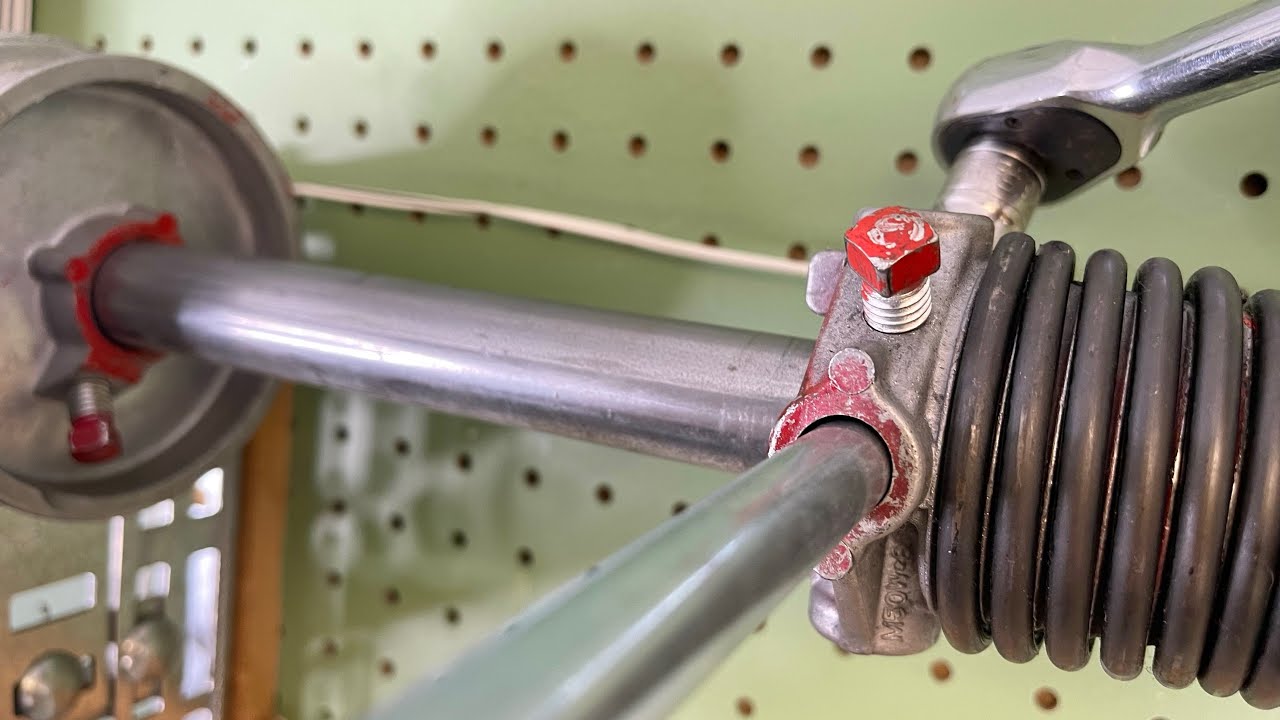
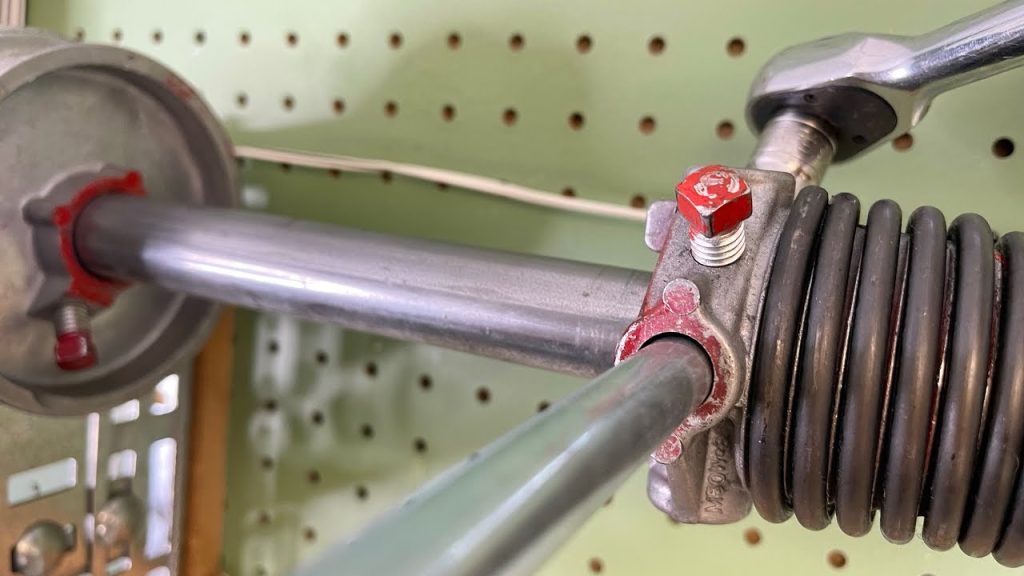
Replacing a broken garage door spring can feel overwhelming, especially when your door is stuck and you need immediate access. If you’re wondering how to replace a broken spring on a garage door, you’re not alone—thousands of US homeowners face this issue annually. This comprehensive guide will walk you through the process safely, helping you save money while understanding when professional help is necessary.
Why Do Garage Door Springs Break?
Garage door springs endure tremendous stress every time your door opens and closes. According to the International Door Association, the average residential garage door spring lasts between 10,000 to 20,000 cycles, which translates to roughly 7-10 years of normal use. However, several factors can accelerate spring failure:
- Temperature fluctuations: Extreme cold makes metal brittle, while heat causes expansion
- Lack of maintenance: Unlubricated springs experience more friction and wear
- Poor installation: Incorrect tension or improper sizing reduces lifespan
- Corrosion: Humidity and moisture cause rust, weakening the metal structure
Understanding why springs fail helps you prevent future breakdowns and recognize early warning signs like unusual noises, uneven door movement, or visible gaps in extension springs.
Torsion vs. Extension Springs: What’s the Difference?
Before attempting any replacement, identifying your spring type is crucial for safety and proper procedure.
| Feature | Torsion Springs | Extension Springs |
|---|---|---|
| Location | Mounted above door on metal shaft | Run along horizontal tracks on both sides |
| Safety Level | Higher tension, more dangerous | Lower tension, slightly safer |
| Lifespan | 15,000-20,000 cycles | 10,000-15,000 cycles |
| Replacement Difficulty | Complex, requires specialized tools | Moderate difficulty |
| Cost Range | $150-$350 (parts only) | $80-$200 (parts only) |
Torsion springs store energy by twisting and are typically found on newer, heavier doors. They’re wound tightly and contain significant potential energy, making them extremely dangerous if handled incorrectly.
Extension springs stretch to provide lifting force and are common on older or lighter doors. While still hazardous, they generally pose less risk than torsion systems.
For detailed technical specifications about garage door mechanisms, visit Wikipedia’s garage door article for comprehensive industry information.
Essential Safety Precautions Before You Begin
Warning: Garage door springs contain enough tension to cause serious injury or death if mishandled. The Consumer Product Safety Commission reports over 30,000 garage door-related injuries annually in the United States.
Required Safety Equipment
- Safety glasses: Protect eyes from flying debris or snapped components
- Heavy-duty work gloves: Prevent cuts from sharp metal edges
- Steel-toed boots: Shield feet from falling hardware
- Clamping pliers: Secure door in place during work
- Assistant: Never work alone on garage door springs
Critical Safety Rules
- Disconnect the opener: Unplug the automatic opener to prevent accidental activation
- Secure the door: Use C-clamps or locking pliers on the track below the bottom roller
- Release tension properly: Follow manufacturer-specific procedures for your spring type
- Work methodically: Rushing increases accident risk significantly
If you feel uncomfortable at any point, stop immediately and call a licensed professional. Your safety matters more than saving money.
Tools and Materials You’ll Need
Gathering the right equipment before starting ensures a smoother, safer replacement process:
Essential Tools
- Socket wrench set (typically 9/16″ or 1/2″)
- Two winding bars (for torsion springs) – steel rods, 18-24 inches long
- Adjustable wrench
- Vice grips or locking pliers
- Ladder (stable, 6-foot minimum)
- Tape measure
- Marker or chalk
Replacement Parts
- New spring(s) matching exact specifications
- Cable drums (if damaged)
- Lift cables (inspect for fraying)
- Lubricant (silicone-based garage door spray)
Pro Tip: Take photos of your existing setup before disassembly. Note the spring length, wire diameter, inside diameter, and wind direction. Most springs have these specifications stamped on them.
Step-by-Step: Replacing Extension Springs
If your garage door uses extension springs, follow these detailed steps:
Step 1: Secure the Door Position
Close the door completely and clamp the tracks on both sides just below the bottom rollers. This prevents the door from moving unexpectedly.
Step 2: Release Spring Tension
Using vice grips, carefully clamp the safety cable near the spring hook. Slowly disconnect the S-hook from the pulley system, allowing controlled tension release.
Step 3: Remove the Old Spring
Unhook the spring from the rear track hanger. Carefully slide it off, noting its orientation and attachment points.
Step 4: Install the New Spring
Attach the new spring to the rear hanger first, then connect the front S-hook to the pulley bracket. Ensure the safety cable runs through the spring’s center.
Step 5: Test and Adjust
Remove the clamps and manually lift the door halfway. It should stay in place without assistance. If it drops or rises, adjust the spring tension accordingly.
Step-by-Step: Replacing Torsion Springs
Extreme Caution: Torsion spring replacement involves high-tension components. Consider professional assistance if you lack experience.
Step 1: Prepare the Work Area
Close the door and secure it with clamps. Disconnect the opener and place winding bars within easy reach.
Step 2: Release Tension Safely
Insert one winding bar into a hole on the winding cone. Hold it firmly while inserting the second bar into the next hole. Slowly unwind the spring by moving the first bar downward, transferring tension to the second bar. Repeat until all tension is released.
Step 3: Remove the Old Spring
Loosen the set screws on the winding cone and stationary cone. Slide the old spring off the torsion tube carefully.
Step 4: Install the New Spring
Slide the new spring onto the torsion tube, ensuring correct wind direction (left-wound vs. right-wound). Tighten the set screws securely on both cones.
Step 5: Apply Proper Tension
Using both winding bars, wind the spring according to manufacturer specifications. Standard residential doors typically require 7-8 quarter-turns per foot of door height. For a 7-foot door, this equals approximately 28-32 quarter-turns.
Step 6: Final Testing
Remove all tools and clamps. Test the door’s balance by lifting it manually to halfway—it should remain stationary. Operate the door several times to ensure smooth movement.
When to Call a Professional
While DIY replacement can save $150-$300 in labor costs, certain situations demand expert intervention:
- Damaged cables or drums: These components work together with springs and require synchronized replacement
- Multiple spring systems: Dual-spring setups need precise balancing
- Commercial or oversized doors: Heavy doors exert greater forces requiring specialized equipment
- Uncertainty about specifications: Incorrect spring sizing causes premature failure and safety hazards
- Previous unsuccessful attempts: If you’ve tried and failed, don’t risk further damage
Professional technicians carry liability insurance, specialized tools, and manufacturer warranties that protect your investment.
Frequently Asked Questions
Q: How much does it cost to replace a garage door spring professionally?
A: Professional replacement typically costs $200-$400, including parts and labor. Torsion springs range from $150-$350 for parts alone, while extension springs cost $80-$200. Labor adds $100-$150 depending on your location and spring complexity.
Q: Can I replace just one spring if only one is broken?
A: No, always replace both springs simultaneously. Even if one appears functional, it has endured the same wear cycles as the broken spring and will likely fail soon. Replacing both ensures balanced operation and prevents premature failure of the new spring.
Q: How long do garage door springs last?
A: Quality torsion springs last 15,000-20,000 cycles (7-12 years with normal use), while extension springs last 10,000-15,000 cycles (5-9 years). High-cycle springs rated for 25,000+ cycles are available but cost 30-50% more. Climate, usage frequency, and maintenance significantly impact lifespan.
Q: What size spring do I need for my garage door?
A: Spring size depends on door weight, height, and track configuration. Measure your door’s dimensions and weight, then consult the manufacturer’s specification chart. Common residential sizes include 0.218″ wire diameter for single-car doors and 0.250″ for double-car doors. When in doubt, photograph existing spring markings and consult a supplier.
Q: Is it dangerous to replace garage door springs myself?
A: Yes, garage door springs contain substantial stored energy. Torsion springs can exert 200+ pounds of torque, capable of causing severe injury if released improperly. The CDC estimates thousands of emergency room visits annually from garage door accidents. If you lack mechanical experience, proper tools, or confidence, hire a licensed technician.
Q: How do I maintain garage door springs to prevent breaking?
A: Lubricate springs quarterly with silicone-based spray (not WD-40, which attracts dust). Inspect monthly for rust, gaps, or deformation. Keep tracks clean and aligned to reduce strain. Avoid slamming the door or forcing it when obstructed. Annual professional inspections catch issues before catastrophic failure.
Conclusion
Learning how to replace a broken spring on a garage door empowers you to handle common household repairs confidently while understanding critical safety boundaries. Whether you choose DIY replacement or professional service, prioritizing proper techniques, quality parts, and regular maintenance extends your garage door’s lifespan significantly.
Remember: safety trumps savings. If any step feels uncertain, invest in professional assistance rather than risking injury. Share this guide with friends and neighbors who might benefit from knowing their options when facing broken garage door springs. Bookmark this resource for future reference, and consider scheduling annual professional inspections to catch problems before they become emergencies.
Have questions about your specific garage door setup? Drop a comment below or share your experience replacing garage door springs on social media using #GarageDoorDIY!
Leave a Reply