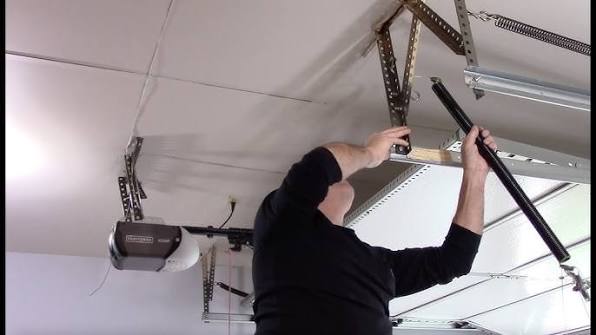
Replacing a broken garage door spring is one of the most daunting home repairs because of the immense tension involved. If done incorrectly, it can lead to severe injury or property damage. However, knowing how to replace a spring on a garage door correctly can save you hundreds of dollars in service fees while restoring your home’s security and convenience.
Before we dive into the wrenches and winding bars, it is crucial to understand that this is not a typical DIY project like painting a fence. It requires precision, the right tools, and an unwavering respect for safety protocols. This guide will walk you through the process, helping you decide if you are ready to tackle it yourself or if it is time to call a professional.
Understanding the Danger: Why Garage Door Springs Are Risky
Garage doors are heavy, often weighing between 150 to 400 pounds. The springs are not just metal coils; they are high-tension energy storage devices. When a door is closed, the springs are fully wound (torsion) or stretched (extension), holding enough potential energy to lift that massive weight.
According to industry statistics, garage door springs are under anywhere from 200 to 300 pounds of torque. If a spring snaps or slips during replacement, it can release this energy instantly, acting like a whip. This is why the Consumer Product Safety Commission (CPSC) frequently issues warnings about amateur repairs involving garage door components.
Torsion vs. Extension Springs: Know Your System
Before buying parts, you must identify which type of spring your door uses. The replacement process differs significantly for each.
| Feature | Torsion Springs | Extension Springs |
|---|---|---|
| Location | Mounted horizontally above the door opening. | Run parallel to the horizontal tracks on both sides. |
| Mechanism | Twists (torque) to lift the door. | Stretches (extends) to lift the door. |
| Difficulty | High (Requires winding bars). | Medium (Requires safety cables). |
| Lifespan | 15,000 – 20,000 cycles. | 10,000 – 15,000 cycles. |
Note: One “cycle” equals one open and one close operation.
If you have torsion springs, you will see a metal shaft running across the top of the door frame with cones at each end. If you have extension springs, you will see long coils stretching along the side tracks, usually connected to pulleys and cables.
Essential Tools and Safety Gear
You cannot improvise tools for this job. Using the wrong equipment is the primary cause of accidents. Here is what you need:
- Winding Bars: Two solid steel bars (usually 18–24 inches long). Never use screwdrivers. They can slip and cause serious injury.
- Socket Set and Ratchet: Specifically sized for the set screws on the spring cones.
- Vise Grips or Locking Pliers: To clamp the track below the roller and prevent the door from shooting up.
- Stepladder: A sturdy fiberglass ladder is preferred.
- Safety Glasses: Mandatory. Metal fragments can fly if a tool slips.
- Work Gloves: To protect your hands from sharp metal edges.
Step-by-Step: How To Replace A Spring On A Garage Door (Torsion System)
This section focuses on torsion springs, as they are the most common in modern US homes and the most dangerous to replace. If you have extension springs, the principle is similar but involves unhooking safety cables rather than unwinding torque.
Step 1: Secure the Garage Door
Close the garage door completely. This is vital because the springs are under maximum tension when the door is down. Clamp your vise grips onto the vertical track just below the bottom roller. This prevents the door from moving while you work.
Step 2: Release the Tension
Insert your first winding bar into one of the holes on the winding cone. Pull down firmly to loosen the set screws. Keep a firm grip. Once the screws are loose, slowly let the bar unwind slightly. Move the bar to the next hole and repeat. You must alternate between the two winding bars to control the release of tension gradually.
Pro Tip: Never remove a winding bar until the other one is securely in place. The spring wants to unwind violently; your bars are the only thing stopping it.
Step 3: Remove the Old Spring
Once all tension is released, the spring will be loose. Unbolt the center bracket holding the torsion tube. Slide the old spring off the shaft. Take note of the direction the windings go (left-wound or right-wound). You must buy an exact replacement.
Step 4: Install the New Spring
Slide the new spring onto the shaft. Ensure it matches the length, wire size, and inside diameter of the old one. Reattach the center bracket. Tighten the set screws on the stationary cone (the one that doesn’t move) first.
Step 5: Wind the New Spring
This is the reverse of Step 2. Insert your winding bars into the movable cone. You will need to wind the spring a specific number of quarter-turns. This number depends on the height of your door. For a standard 7-foot door, it is typically 30 to 32 quarter-turns.
Consult your spring manufacturer’s chart for exact turns. Wind evenly, alternating bars. Once finished, tighten the set screws on the movable cone securely.
Step 6: Test and Lubricate
Remove the vise grips from the track. Open the door manually halfway. It should stay in place. If it falls, the spring is under-wound. If it flies up, it is over-wound. Adjust accordingly. Finally, apply a silicone-based lubricant to the springs to reduce friction and noise.
For more detailed technical specifications on spring mechanics, you can refer to the general principles of mechanical springs on Wikipedia.
Common Mistakes to Avoid
Even experienced DIYers make errors. Here are the most frequent pitfalls:
- Guessing the Turn Count: Do not guess. Use the formula provided by the spring manufacturer. Incorrect tension damages the opener and wears out rollers prematurely.
- Using Cheap Winding Bars: Soft metal bars can bend or break. Always use hardened steel.
- Ignoring Cable Condition: If your cables are frayed, replace them simultaneously. A snapped cable can derail the door.
- Skipping Safety Glasses: Debris from rusted springs or slipping tools can cause permanent eye damage.
When to Call a Professional
While learning how to replace a spring on a garage door is empowering, there are times when you should step back. Call a pro if:
- The torsion tube is bent or damaged.
- The cables are snapped and tangled.
- You do not have the proper winding bars.
- You feel uncomfortable with the level of risk involved.
Professional technicians have specialized clamps and experience handling high-tension systems daily. The cost of a service call ($150–$300) is far less than the medical bills from a spring-related injury.
FAQ Section
Q: How long do garage door springs last?
A: Standard springs are rated for 10,000 cycles. If you open and close your door twice a day, they will last approximately 7–10 years. High-cycle springs can last up to 25,000 cycles.
Q: Can I replace just one torsion spring?
A: It is highly recommended to replace both springs at the same time. Since they were installed at the same time, the second spring is likely near the end of its life. Replacing both ensures balanced lifting and saves you from doing the job again soon.
Q: What size spring do I need?
A: You must measure the wire thickness, inside diameter, and length of the old spring. Additionally, note the direction of the wind (left or right). Buying the wrong size can result in improper door balance.
Q: Is it illegal to replace my own garage door spring?
A: No, it is not illegal. However, some local building codes may require permits for structural changes, though simple spring replacement usually does not. Always check local regulations.
Q: Why did my spring break?
A: Metal fatigue is the primary cause. Over time, the repeated stretching and compressing weaken the metal. Rust, lack of lubrication, and extreme temperature fluctuations can also accelerate failure.
Conclusion
Knowing how to replace a spring on a garage door is a valuable skill that combines mechanical knowledge with strict safety discipline. By following the steps outlined above—securing the door, releasing tension carefully, and winding the new spring precisely—you can restore your garage door’s functionality.
Remember, patience is your best tool. Rushing this process invites danger. If at any point you feel unsure, pause and consult a professional. Your safety is worth more than the savings.
Did this guide help you fix your garage door? Share this article with your neighbors or on social media to help others tackle this tricky repair safely!
Leave a Reply