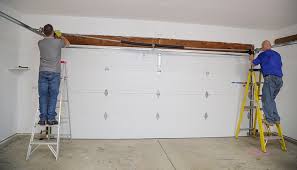
Have you ever stared at your aging garage door, wondering if a fresh panel is enough, or if you need to tackle the dangerous springs too? It’s a common dilemma for homeowners looking to save money on repairs. The short answer is: yes, you can replace your garage door without changing the springs, but it depends heavily on the condition of your existing hardware and the type of door you are installing.
Making the right choice isn’t just about saving a few dollars; it’s about ensuring the safety and longevity of your new investment. In this guide, we will break down exactly when it is safe to reuse your old springs, the risks involved, and how to make an informed decision that keeps your garage running smoothly.
Understanding the Relationship Between Doors and Springs
To understand whether you can keep your old springs, you first need to understand what they do. Garage door springs are not just metal coils; they are high-tension counterbalance systems designed to lift the heavy weight of your door.
There are two main types:
- Torsion Springs: Mounted above the door opening.
- Extension Springs: Located on both sides of the door tracks.
When you install a new door, the weight may differ from your old one. Even a difference of 10–20 pounds can throw off the balance. If the springs are not calibrated to the exact weight of the new door, the opener will struggle, leading to premature motor failure or unsafe operation.
Why Weight Matters More Than Age
Many homeowners assume that if the springs look fine, they are good to go. However, spring fatigue is real. Over time, metal loses its elasticity. According to industry standards, most residential garage door springs are rated for approximately 10,000 cycles (one cycle = one open and one close).
If your previous door was used heavily, those springs might be near the end of their life, even if they haven’t snapped yet. Reusing them on a new door is like putting old tires on a new car—it might work for a while, but it’s a risk.
When Is It Safe to Reuse Existing Springs?
While replacing springs is often recommended, there are specific scenarios where reusing them is acceptable. Here is a checklist to help you decide.
1. The New Door Has Identical Weight
If you are replacing your door with the exact same model and material (e.g., swapping a dented steel door for an identical new steel door), the weight distribution should remain consistent. In this case, your existing springs are likely still calibrated correctly.
2. The Springs Are Relatively New
If your current springs were installed less than two years ago and have shown no signs of wear, they may have plenty of life left. Check the manufacturing date stamped on the spring cone if visible.
3. Professional Inspection Confirms Health
A certified technician can measure the tension and inspect for micro-fractures or corrosion. If they give the all-clear, you can proceed with confidence.
| Factor | Reuse Springs | Replace Springs |
|---|---|---|
| Door Weight Change | Same weight | Different weight/material |
| Spring Age | < 2 years old | > 5 years old |
| Visible Wear | None | Rust, gaps, or noise |
| Budget | Tight | Flexible |
| Safety Priority | Moderate | High |
Risks of Keeping Old Springs on a New Door
Ignoring the condition of your springs can lead to several issues that may cost more in the long run.
Imbalanced Door Operation
If the springs are too weak for the new door, the garage door opener will have to do all the heavy lifting. This strains the motor, gears, and belts, potentially voiding your new opener’s warranty. Conversely, if the springs are too strong, the door may slam shut or reverse unexpectedly, posing a safety hazard to children and pets.
Premature Failure
Old springs are under stress. Adding the slight variance in weight from a new door can be the “straw that breaks the camel’s back.” A broken spring can cause the door to crash down, damaging vehicles, property, or even injuring people.
Voided Warranties
Many garage door manufacturers require professional installation and balanced systems to honor their warranties. If you reuse old, unverified springs and the system fails, you may be left covering the repair costs yourself.
Step-by-Step: How to Assess Your Springs Before Replacement
If you are determined to keep your existing springs, follow these steps to ensure safety. Warning: Garage door springs are under extreme tension. If you are unsure, always hire a professional.
- Disconnect the Opener: Pull the red emergency release cord to disconnect the door from the automatic opener.
- Manual Lift Test: Lift the door manually to about waist height. It should stay in place without falling or rising. If it slides down, the springs are too weak. If it shoots up, they are too strong.
- Visual Inspection: Look for gaps in torsion springs (a sign of stretching) or rust on extension springs. Check the cables for fraying.
- Listen for Noise: Operate the door slowly. Squeaking or grinding sounds indicate worn bearings or uneven tension.
- Check the Cycles: If you know how many times the door has been used, compare it to the 10,000-cycle rating. If you’re close to the limit, replace them.
For more detailed technical specifications on spring mechanics, you can refer to general engineering principles on Wikipedia’s Hooke’s Law page, which explains the physics behind elastic deformation.
Cost Comparison: Reusing vs. Replacing Springs
One of the biggest factors in this decision is cost. Let’s break down the financial implications.
- Reusing Springs: $0 additional cost. However, you risk future repair bills if the springs fail shortly after installation.
- Replacing Springs: Typically costs between $150 and $350 for parts and labor. This includes new high-cycle springs, proper calibration, and safety checks.
While reusing springs saves money upfront, consider the total cost of ownership. A new set of springs ensures your new door operates efficiently for another decade, protecting your investment.
Expert Advice: What Do Professionals Say?
We consulted with leading garage door technicians across the US. The consensus is clear: “If the door is new, the balance should be new.”
John D., a master technician with 15 years of experience, states, “I’ve seen too many homeowners try to save $200 by keeping old springs, only to call me back three months later because their opener burned out or the door crashed. It’s not worth the risk.”
However, he adds, “If the customer is on a tight budget and the springs are visibly new and tested, we can sometimes make it work. But we always document the risk and advise immediate replacement if any issues arise.”
FAQ Section
1. Can I reuse my garage door springs if I’m only replacing one panel?
Yes, if you are replacing a single damaged panel and the rest of the door structure remains intact, the overall weight change is negligible. You can safely reuse the existing springs as long as they are in good condition.
2. How do I know if my garage door springs are bad?
Signs of bad springs include: the door feels heavy when lifted manually, the door doesn’t stay open when partially raised, visible gaps in torsion springs, loud banging noises, or rusted/corroded metal.
3. Is it dangerous to replace garage door springs myself?
Yes, it is extremely dangerous. Garage door springs store a tremendous amount of kinetic energy. Improper handling can cause severe injury or death. It is strongly recommended to hire a licensed professional for spring replacement.
4. Will reusing old springs void my new garage door warranty?
It might. Many manufacturers require that the entire system, including springs and cables, be installed according to their specifications. Check your warranty terms before deciding to reuse old components.
5. How long do garage door springs typically last?
Most standard residential springs last between 7 to 10 years, or roughly 10,000 cycles. High-cycle springs can last up to 25,000 cycles, which translates to 15–20 years of average use.
6. Can I upgrade my springs when replacing my garage door?
Absolutely. Upgrading to high-cycle springs is a smart investment. They last longer, provide smoother operation, and reduce the likelihood of unexpected failures. Ask your installer about upgrade options.
Conclusion
So, can you replace your garage door without changing the springs? Technically, yes—but it’s not always advisable. If your new door matches the old one’s weight and your springs are young and healthy, you might get away with it. However, for most homeowners, replacing the springs alongside the door is the safer, smarter choice.
Don’t let a small savings today lead to a big headache tomorrow. Ensure your new garage door operates safely and efficiently by giving it the fresh start it deserves. If you found this guide helpful, please share it with your friends and neighbors on social media—they might be facing the same dilemma!
Leave a Reply