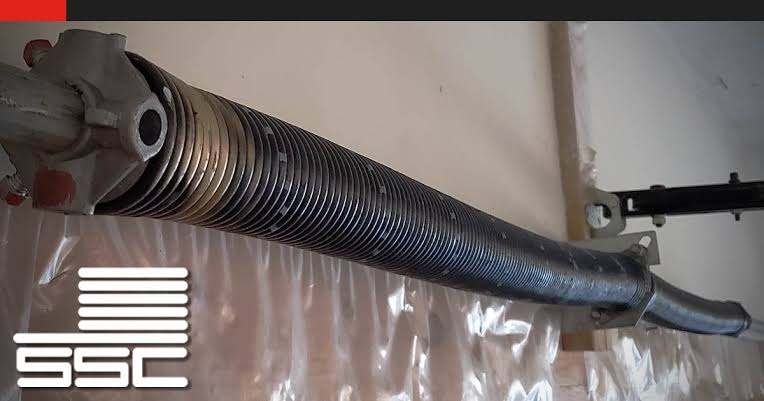
Replacing a broken garage door spring can feel overwhelming, especially when you’re staring at a tangled mess of metal and wondering, “What size garage door torsion spring do I need?” You’re not alone—thousands of homeowners face this challenge every year. Getting the wrong size isn’t just inconvenient; it can be dangerous and damage your garage door opener. This guide will walk you through everything you need to know to choose the correct torsion spring with confidence.
Why Getting the Right Torsion Spring Size Matters
Your garage door weighs hundreds of pounds. The torsion spring is the muscle that lifts it effortlessly. If the spring is too weak, your door won’t open fully or will strain the opener. If it’s too strong, it can slam shut or damage cables and drums. According to the International Door Association, improper spring sizing accounts for nearly 30% of garage door service calls. That’s why precision matters.
Key Factors That Determine Spring Size
Before we dive into measurements, understand these four critical variables:
- Door Weight: Heavier doors (like solid wood or insulated steel) need stronger springs.
- Door Height: Taller doors require more lifting power.
- Spring Wire Diameter: Thicker wire = stronger spring.
- Number of Turns: Standard residential springs are wound to 7–8 quarter turns.
How to Measure Your Existing Torsion Spring
If your old spring is still intact (or you have both pieces), measuring is the most accurate method. Here’s what you’ll need:
- A tape measure (preferably one with 1/16-inch markings)
- A caliper (for precise wire diameter)
- Pen and paper
Step-by-Step Measurement Guide
1. Measure the Wire Diameter Use a caliper to measure the thickness of the spring wire. Common sizes include:
- 0.250 inches (1/4″)
- 0.218 inches (7/32″)
- 0.225 inches (just under 7/32″)
Pro Tip: If you don’t have a caliper, use a drill bit set. Find the bit that fits snugly into the spring coil—that’s your approximate wire size.
2. Measure the Inside Diameter (ID) Measure across the center of the spring from inside edge to inside edge. Standard residential sizes are:
- 1.75 inches (most common)
- 2.0 inches
- 2.25 inches
3. Measure the Length Measure the spring from end to end (excluding the cones). Common lengths range from 22 to 36 inches.
4. Count the Wind Direction Stand inside the garage facing the door:
- Right-wound springs go on the left side (winding clockwise).
- Left-wound springs go on the right side (winding counterclockwise).
Most systems use one of each.
| Measurement | Common Sizes | How to Measure |
|---|---|---|
| Wire Diameter | 0.218″, 0.225″, 0.250″ | Use caliper or drill bit |
| Inside Diameter | 1.75″, 2.0″, 2.25″ | Tape measure across center |
| Length | 22″–36″ | End to end (no cones) |
| Wind Direction | Left & Right | Face door from inside |
Calculating Spring Size Without an Old Spring
If your spring snapped into pieces or you’re installing a new door, you’ll need to calculate based on door specifications.
Method 1: Use the Door Weight Formula
A general rule of thumb: For every 100 pounds of door weight, you need approximately 0.250-inch wire diameter on a 1.75-inch ID spring.
Here’s a simplified chart:
| Door Weight | Recommended Wire Size (1.75″ ID) | Approximate Lift Capacity |
|---|---|---|
| 100–150 lbs | 0.218 inches | Up to 150 lbs |
| 150–200 lbs | 0.225 inches | Up to 200 lbs |
| 200–250 lbs | 0.250 inches | Up to 250 lbs |
| 250+ lbs | 0.262+ inches | Custom calculation needed |
Method 2: Check the Manufacturer’s Label
Many garage doors have a label on the back panel or side rail that lists:
- Door model number
- Weight
- Recommended spring size
Look for codes like “T175-22-250” which means:
- T = Torsion
- 175 = 1.75-inch inside diameter
- 22 = 22 inches long
- 250 = 0.250-inch wire diameter
Method 3: Use an Online Torsion Spring Calculator
Several reputable manufacturers offer free calculators. You’ll input:
- Door width and height
- Door material (steel, wood, aluminum)
- Number of windows (if any)
The calculator outputs the exact spring specifications. Always double-check with a professional if you’re unsure.
Common Mistakes When Choosing Torsion Springs
Even experienced DIYers make these errors:
- Measuring the outside diameter instead of inside: This leads to ordering the wrong fit.
- Ignoring wind direction: Installing a right-wound spring on the right side will cause immediate failure.
- Assuming all springs are equal: Two springs with the same length can have different lift capacities based on wire diameter.
- Skipping safety precautions: Torsion springs store enormous energy. Always use winding bars and wear safety glasses.
⚠️ Safety Warning: Never attempt to adjust or replace torsion springs without proper tools and training. If you’re uncomfortable, hire a licensed garage door technician. The risk of serious injury is real.
Single vs. Dual Spring Systems: Which Do You Need?
Most residential garage doors use either a single-spring or dual-spring setup.
Single-Spring System
- Best for: Lighter doors (under 180 lbs)
- Pros: Lower cost, simpler installation
- Cons: If it breaks, the door is inoperable; uneven wear over time
Dual-Spring System
- Best for: Heavier doors (180+ lbs) or wider doors (16+ feet)
- Pros: Balanced lifting, longer lifespan, redundancy if one fails
- Cons: Higher upfront cost, more complex installation
Expert Insight: According to industry professionals, dual-spring systems last 30–50% longer because the workload is shared. If your door is over 10 years old, consider upgrading to dual springs during replacement.
FAQ: Your Torsion Spring Questions Answered
Q1: Can I use a slightly different size spring if the exact one isn’t available?
A: It’s not recommended. Even a 1/16-inch difference in wire diameter can change the lift capacity by 20–30 pounds. This mismatch strains your opener and shortens the spring’s life. Always match the specifications exactly.
Q2: How long do torsion springs typically last?
A: Most residential torsion springs are rated for 10,000 cycles (one cycle = one open + one close). For average use (2–4 times per day), this equals 7–10 years. High-quality springs with oil-tempered wire can last up to 15,000 cycles.
Q3: Do I need to replace both springs if only one is broken?
A: Yes. If one spring has failed, the other is near the end of its life too. Replacing both ensures balanced operation and prevents another service call in a few months. It’s also more cost-effective in the long run.
Q4: What’s the difference between torsion springs and extension springs?
A: Torsion springs mount above the door on a metal shaft and twist to store energy. Extension springs stretch along the horizontal tracks. Torsion springs are safer, smoother, and last longer, which is why they’re standard on modern doors. Learn more about garage door mechanics on Wikipedia’s Garage Door page.
Q5: Can I lubricate my torsion springs to make them last longer?
A: Yes, but use the right product. Apply a silicone-based or lithium-based garage door lubricant every 6 months. Avoid WD-40—it’s a degreaser, not a lubricant, and will dry out the spring faster.
Q6: How much does it cost to replace a torsion spring?
A: DIY parts cost $30–$80 per spring. Professional installation ranges from $150–$350, depending on your location and door type. While DIY saves money, remember that improper installation can void warranties and create safety hazards.
Final Thoughts: Choose Wisely, Install Safely
Knowing what size garage door torsion spring do I need is the first step toward a smoothly operating garage door. By accurately measuring your existing spring or calculating based on door weight, you can avoid costly mistakes and ensure years of reliable performance.
Remember:
- Measure wire diameter, inside diameter, and length precisely.
- Match the wind direction correctly.
- Consider upgrading to dual springs for heavier doors.
- Prioritize safety—use proper tools or hire a pro.
If this guide helped you, share it with a friend who’s tackling their own garage door repair! Follow us on social media for more home maintenance tips and DIY guides.
Stay safe, and may your garage door open smoothly every time! 🚪🔧
Leave a Reply