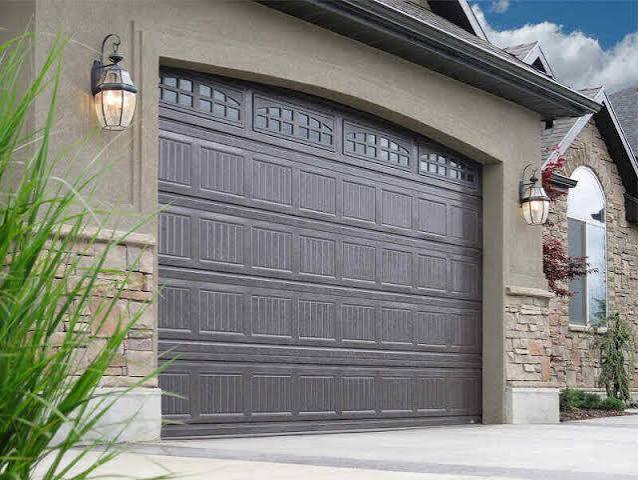
Are you staring at your old, creaky garage door and wondering if it’s time for an upgrade? You’re not alone. Many homeowners face this dilemma, especially when the door starts making strange noises or simply looks outdated. If you are asking, “How much is a new single car garage door,“ you have come to the right place. This guide breaks down every cost factor so you can budget confidently without any surprises.
Understanding the Average Cost Range
When planning a home improvement project, knowing the baseline numbers is crucial. For a standard single-car garage door, the total cost typically includes both the door itself and professional installation.
In 2026, the average price for a new single-car garage door ranges from $800 to $2,500. However, this figure can vary significantly based on materials, style, and insulation levels.
| Component | Low-End Cost | High-End Cost |
|---|---|---|
| Basic Steel Door | $300 – $600 | N/A |
| Insulated Steel Door | $700 – $1,200 | $1,500+ |
| Wood Composite | $1,200 – $1,800 | $2,500+ |
| Professional Installation | $200 – $500 | $600+ |
Note: Prices are estimates and may vary by region and contractor.
It is important to remember that the cheapest option isn’t always the best value. A slightly higher upfront investment in quality materials can save you hundreds in maintenance and energy bills over the next decade.
What Factors Influence the Price of a Garage Door?
Several variables determine the final bill. Understanding these will help you make informed decisions rather than just picking the lowest bid.
1. Material Selection
The material is the biggest driver of cost. Here is a quick breakdown:
- Steel: The most popular choice in the US. It is durable, low-maintenance, and affordable. Galvanized steel resists rust, making it ideal for humid climates.
- Aluminum: Lightweight and resistant to corrosion, but prone to denting. It is often used in modern designs with glass panels.
- Wood: Offers unmatched aesthetic appeal and natural insulation. However, it requires regular staining or painting to prevent warping and rot.
- Fiberglass: Resistant to salt air, making it perfect for coastal homes. It mimics wood grain but lacks the same structural strength.
2. Insulation and Energy Efficiency
If your garage is attached to your house, insulation matters. An insulated door helps regulate temperature, reducing heating and cooling costs.
Look for the R-value rating. A higher R-value means better thermal resistance.
- Non-insulated (R-0 to R-2): Best for detached garages.
- Moderately Insulated (R-6 to R-9): Good for attached garages in mild climates.
- Highly Insulated (R-12+): Ideal for extreme weather conditions or if you use the garage as a workspace.
For more detailed information on building standards and energy efficiency, you can refer to resources like Wikipedia’s entry on Garage Doors, which provides historical context and technical specifications.
3. Design and Windows
Custom designs add character but also cost. Adding windows increases natural light but may require tempered glass for safety, which adds to the price. Decorative hardware, such as handles and hinges, can also bump up the cost by $100–$300.
How Much Does Installation Cost?
Many homeowners ask, “Can I install it myself?” While DIY is tempting, garage doors are heavy and under high tension. Incorrect installation can lead to serious injury or premature failure.
Professional installation typically costs between $200 and $500. This fee usually includes:
- Removal and disposal of the old door.
- Installation of new tracks, rollers, and springs.
- Calibration of the opener (if applicable).
- Safety testing.
Some companies offer “package deals” where the door and installation are bundled. Always ask for a detailed quote that separates labor from materials.
Single vs. Double Car Garage Doors: Is There a Price Difference?
While this guide focuses on single-car doors, it’s worth noting the difference. A double-car door is wider (usually 16 feet) and heavier, requiring stronger springs and motors.
- Single Car Door Width: 8 to 9 feet.
- Double Car Door Width: 16 to 18 feet.
Generally, a double-car door costs 30% to 50% more than a single-car door due to the increased material and structural requirements. If you have a two-car garage but only need to replace one section, sticking with a single-door replacement is the most cost-effective route.
Step-by-Step Guide to Buying Your New Door
Follow these steps to ensure a smooth purchasing process:
- Measure Accurately: Measure the width and height of your existing opening. Standard single-car sizes are 8×7 feet or 9×7 feet. Tip: Measure in three places (top, middle, bottom) and use the smallest measurement.
- Choose Your Style: Decide between traditional raised-panel, contemporary flat-panel, or carriage-house styles. Match your home’s architecture for better curb appeal.
- Select Material & Insulation: Based on your climate and budget, pick the right combination. For most US homeowners, insulated steel offers the best balance of price and performance.
- Get Multiple Quotes: Contact at least three local dealers. Ask about warranty coverage for both parts and labor.
- Check Reviews: Look for recent customer feedback on Google and Bing. Pay attention to comments about punctuality and cleanliness.
- Schedule Installation: Ensure the installer checks the balance of the door after installation. A properly balanced door should stay in place when lifted halfway.
Maintenance Tips to Extend Lifespan
Once you’ve invested in a new door, keep it running smoothly with minimal effort.
- Lubricate Moving Parts: Use a silicone-based lubricant on rollers, hinges, and springs every six months. Avoid WD-40 as it attracts dust.
- Inspect Weather Stripping: Check the rubber seal at the bottom. Replace it if cracked to keep out pests and drafts.
- Test Safety Sensors: Place an object in the door’s path while closing. The door should reverse immediately. This is a critical safety feature required by law.
- Clean Regularly: Wash steel doors with mild soap and water. For wood doors, inspect for signs of moisture damage annually.
Frequently Asked Questions (FAQ)
1. How long does a single-car garage door last?
With proper maintenance, a steel garage door can last 15 to 30 years. Wood doors may have a shorter lifespan (10–15 years) due to weather exposure unless meticulously maintained.
2. Can I replace just the garage door panel?
Yes, if only one section is damaged, you can replace individual panels. This is significantly cheaper than replacing the entire door, costing around $150 to $400 per panel. However, finding matching panels for older models can be challenging.
3. Does a new garage door increase home value?
Absolutely. According to real estate experts, a new garage door offers one of the highest returns on investment (ROI) for curb appeal projects, often recouping 90% to 100% of its cost upon resale.
4. What is the most affordable garage door material?
Single-layer steel is the most affordable option. It is lightweight and easy to install but offers little insulation. It is best suited for detached garages or mild climates.
5. Do I need a permit to replace my garage door?
In most US jurisdictions, you do not need a permit for a simple like-for-like replacement. However, if you are changing the size of the opening or altering the structural frame, a permit may be required. Always check with your local building department.
6. How much does a smart garage door opener cost?
Smart openers range from $100 to $300. They allow you to control the door via smartphone, receive alerts, and integrate with home automation systems like Alexa or Google Home.
Conclusion
Replacing your garage door is a significant home improvement that enhances security, energy efficiency, and curb appeal. So, how much is a new single car garage door? Expect to spend between $800 and $2,500 for a quality product and professional installation.
By choosing the right material and insulation level for your needs, you can maximize value and longevity. Don’t rush the decision—take the time to compare quotes and styles.
Found this guide helpful? Share it with your friends on social media who might be planning their own home upgrades! Let’s help everyone make smarter home improvement choices.
Leave a Reply