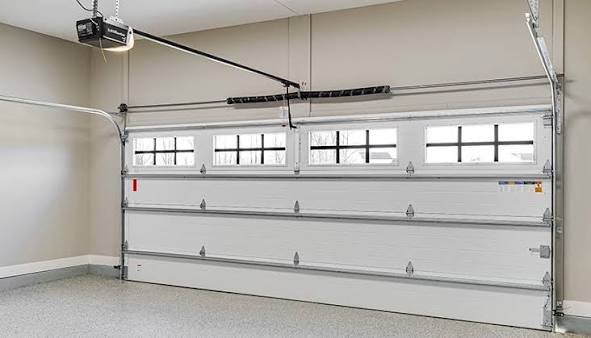
Choosing the right garage door opener can feel overwhelming, especially when you have a double-door setup. Many homeowners struggle with questions like what size garage door opener for a double door will provide enough power without wasting energy or money. In this guide, we’ll break down everything you need to know to make an informed decision that keeps your garage running smoothly for years to come.
Why Does Garage Door Opener Size Matter?
Before diving into specific recommendations, it’s important to understand why sizing matters. A garage door opener isn’t just about convenience—it’s about safety, efficiency, and longevity. An undersized opener may strain under the weight of a heavy double door, leading to premature wear or even failure. On the other hand, an oversized unit might be unnecessarily expensive and noisy.
Double garage doors typically weigh between 150–250 pounds, depending on material (steel, wood, aluminum) and insulation levels. This means they require more torque than single doors, which usually weigh around 80–130 pounds.
According to industry standards from the International Door Association, selecting the correct horsepower rating is crucial for optimal performance and durability.
What Horsepower Do You Need for a Double Garage Door?
The most common question homeowners ask is: What horsepower do I need? Here’s a quick breakdown:
| Horsepower | Best For | Weight Capacity |
|---|---|---|
| 1/3 HP | Light single doors (<100 lbs) | Up to 100 lbs |
| 1/2 HP | Standard single or lightweight double doors | 100–150 lbs |
| 3/4 HP | Most double doors, insulated models | 150–250+ lbs |
| 1 HP | Heavy wooden or custom double doors | 250+ lbs |
For most modern double garage doors made of steel or composite materials, a 3/4 HP opener is ideal. It provides sufficient power to lift heavier doors while maintaining quiet operation and energy efficiency.
If your double door is particularly large, uninsulated, or made of solid wood, consider upgrading to a 1 HP model for added reliability.
Chain Drive vs Belt Drive vs Screw Drive: Which Is Best?
Beyond horsepower, the type of drive mechanism also affects performance. Let’s compare the three main types:
Chain Drive
- Pros: Affordable, durable, widely available
- Cons: Noisier, requires regular lubrication
Belt Drive
- Pros: Quiet operation, low maintenance
- Cons: Slightly more expensive, less suitable for extreme temperatures
Screw Drive
- Pros: Fewer moving parts, good for moderate climates
- Cons: Can be noisy, not ideal for very heavy doors
For double doors, belt drive openers are often recommended due to their balance of strength and quietness. However, if budget is a concern, chain drives remain a reliable option.
Key Features to Look for in a Double Door Opener
When shopping for a garage door opener, don’t just focus on horsepower. Consider these essential features:
- Smart Connectivity: Wi-Fi-enabled openers allow remote control via smartphone apps.
- Battery Backup: Ensures operation during power outages.
- Security Codes: Rolling code technology prevents unauthorized access.
- Lighting Options: Built-in LED lights improve visibility and safety.
- Warranty Length: Look for at least a 5-year motor warranty.
Brands like Chamberlain, LiftMaster, and Genie offer high-quality models tailored for double-door applications.
How to Measure Your Garage Door for the Right Opener
To ensure compatibility, follow these steps:
- Measure the Door Width: Standard double doors range from 16 to 18 feet wide.
- Check the Height: Most residential double doors are 7 to 8 feet tall.
- Weigh the Door: Use a bathroom scale or consult manufacturer specs.
- Inspect the Track Type: Ensure the opener matches your existing track system (standard or low-headroom).
- Verify Power Source: Confirm whether your garage has a standard outlet nearby.
Accurate measurements help avoid installation issues and ensure smooth operation.
Common Mistakes to Avoid When Choosing an Opener
Even experienced DIYers can make mistakes when selecting a garage door opener. Here are some pitfalls to watch out for:
- Underestimating Weight: Always err on the side of caution with heavier doors.
- Ignoring Climate Conditions: Extreme cold or heat can affect belt and screw drives differently.
- Skipping Professional Installation: Improper setup can void warranties and cause safety hazards.
- Overlooking Noise Levels: If your garage is attached to living spaces, prioritize quieter models.
FAQ Section
Q1: Can I use a 1/2 HP opener for a double garage door?
A: While possible for lighter double doors, a 1/2 HP opener may struggle with heavier or insulated models. A 3/4 HP unit is generally recommended for better performance and longevity.
Q2: Are smart garage door openers worth the extra cost?
A: Yes, especially if you value convenience and security. Smart openers allow remote monitoring, automatic closing, and integration with home automation systems.
Q3: How long does a garage door opener last?
A: With proper maintenance, most openers last 10–15 years. Regular lubrication and inspection can extend lifespan significantly.
Q4: Do I need a professional to install my garage door opener?
A: While DIY installation is possible, hiring a licensed technician ensures correct setup, adherence to safety codes, and valid warranty coverage.
Q5: What happens if my garage door opener is too small?
A: An undersized opener may overheat, fail prematurely, or operate inconsistently. It could also pose safety risks if it cannot fully close or open the door.
Q6: Can I upgrade my existing opener to handle a double door?
A: Possibly, but it depends on the current model’s capacity. Consult the manufacturer or a professional to determine if an upgrade is feasible.
Final Thoughts
Selecting the right garage door opener for a double door doesn’t have to be complicated. By focusing on horsepower, drive type, and key features, you can find a model that meets your needs and lasts for years. Remember, investing in a quality opener now saves time, money, and frustration later.
If you found this guide helpful, share it with friends or family who might be facing similar decisions. And don’t forget to leave a comment below with your own experiences or questions—we’d love to hear from you!
Leave a Reply