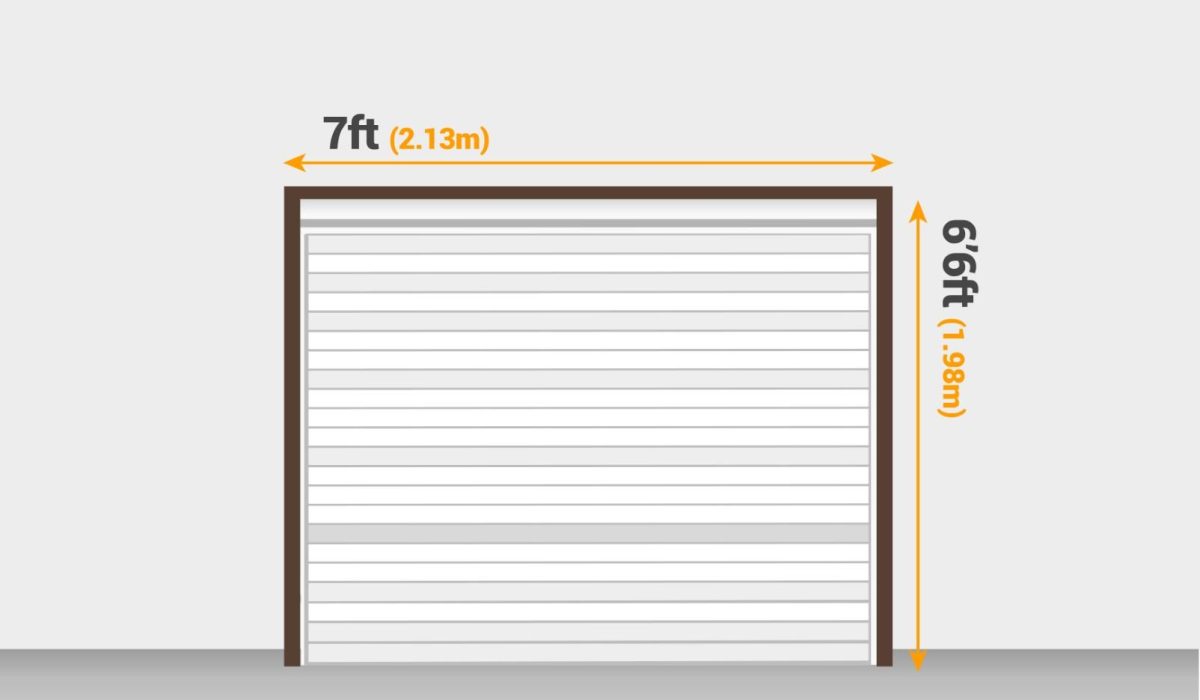
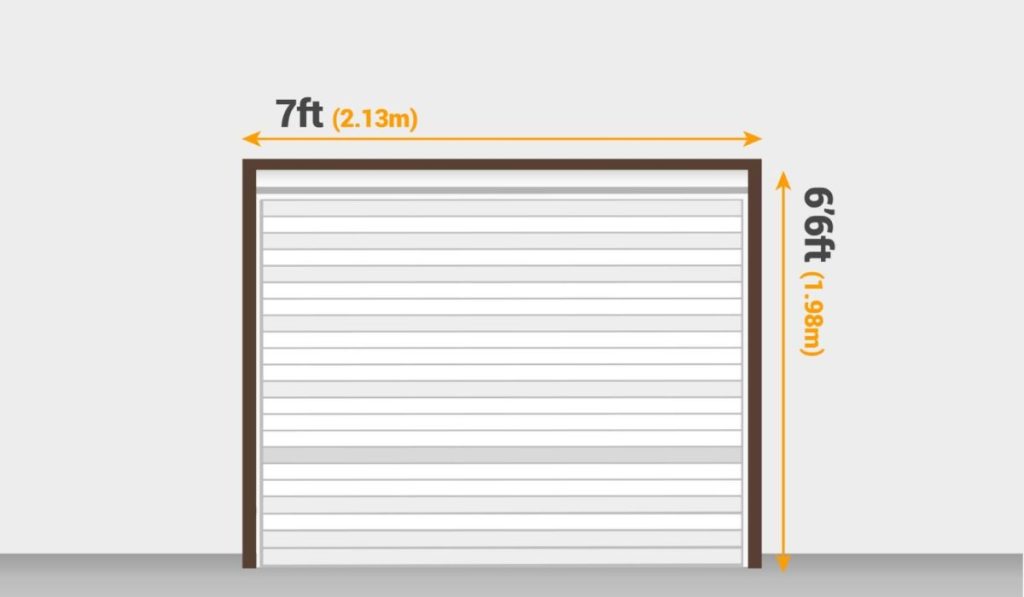
Have you ever stood in your driveway, staring at your aging garage door, wondering if a new one will actually fit your car? Or perhaps you’re planning a renovation and need precise measurements before ordering materials. Understanding what is the width of a single garage door is crucial for ensuring functionality, curb appeal, and proper installation. Let’s break down everything you need to know.
Standard Widths for Single Garage Doors
When homeowners ask, “What is the width of a single garage door?” they are usually looking for the industry-standard measurements. In the United States, the most common widths for single-car garage doors are 8 feet, 9 feet, and 10 feet.
Why 8 Feet Is the Minimum
An 8-foot wide door is the absolute minimum standard for a single-car garage. This width was popular in older homes built before the 1990s. However, with modern vehicles becoming wider—especially SUVs and trucks—an 8-foot door can feel tight. You may find yourself carefully maneuvering to avoid scratching your side mirrors or door panels.
The 9-Foot Sweet Spot
The 9-foot wide garage door has become the new standard for most newly constructed homes. It provides enough clearance for most sedans, compact SUVs, and even some mid-size trucks. This extra foot of width makes entering and exiting the vehicle significantly easier and reduces the risk of accidental damage.
When to Choose 10 Feet
A 10-foot wide single garage door is ideal if you own a full-size truck, a large SUV, or simply prefer ample space. It also offers better accessibility for individuals with mobility challenges who may need more room to open car doors fully. While less common than 8 or 9-foot doors, 10-foot options are widely available from major manufacturers.
| Door Width | Best For | Vehicle Compatibility |
|---|---|---|
| 8 Feet | Older homes, compact cars | Sedans, small hatchbacks |
| 9 Feet | Modern standard homes | Sedans, SUVs, small trucks |
| 10 Feet | Large vehicles, accessibility | Full-size trucks, large SUVs |
How Height Impacts Your Choice
While width is critical, height is equally important. Standard single garage door heights are typically 7 feet or 8 feet.
- 7-Foot Height: Suitable for standard sedans and older vehicles.
- 8-Foot Height: Recommended for SUVs, trucks, and vehicles with roof racks or cargo carriers.
If you drive a tall vehicle, measuring both width and height is essential. A door that is wide enough but too short will still cause frustration. Always measure your tallest vehicle, including any accessories like bike racks or ladders, before finalizing your decision.
Custom Sizes: When Standard Doesn’t Fit
Not every garage is built to standard dimensions. Older homes, historic properties, or custom-built structures may have unique openings. In these cases, you may need a custom-sized garage door.
Custom doors can be manufactured in virtually any width, from 7 feet up to 12 feet or more for single applications. However, custom sizes come with trade-offs:
- Higher Cost: Custom doors can cost 20–50% more than standard sizes.
- Longer Lead Times: Manufacturing and shipping may take several weeks longer.
- Limited Style Options: Some manufacturers offer fewer design choices for non-standard sizes.
If your garage opening is slightly off-standard (e.g., 8’6” wide), consult with a professional installer. They may recommend adjusting the framing to fit a standard door, which is often more cost-effective than ordering a custom unit.
Factors Influencing Garage Door Width Selection
Choosing the right width isn’t just about your vehicle. Several other factors should influence your decision:
1. Future-Proofing Your Home
Consider what vehicles you might own in the next 5–10 years. If you plan to upgrade to a larger truck or EV with wider dimensions, opting for a 9 or 10-foot door now can save you money later.
2. Resale Value
Homes with wider garage doors often have higher curb appeal and market value. Buyers appreciate the convenience of easier access. A 9-foot door is increasingly expected in modern real estate markets.
3. Storage and Workspace
If you use your garage for storage or as a workshop, a wider door allows easier movement of large items like lawnmowers, bicycles, or workbenches in and out of the space.
4. Local Building Codes
Check with your local municipality or homeowner’s association (HOA). Some areas have specific regulations regarding garage door dimensions, especially in historic districts or planned communities.
How to Measure Your Garage Door Opening Accurately
Before purchasing a new door, accurate measurement is critical. Here’s how to do it properly:
- Measure the Width: Measure the distance between the inside edges of the left and right jambs at the top, middle, and bottom of the opening. Use the smallest measurement as your width.
- Measure the Height: Measure from the floor to the inside edge of the top jamb. Do this on both the left and right sides. Use the smallest measurement as your height.
- Check Headroom: Measure the space between the top of the door opening and the ceiling or lowest obstruction (like beams or pipes). Most standard torsion spring systems require at least 12 inches of headroom.
- Side Room: Measure the space from the edge of the opening to the nearest wall or obstruction on both sides. You typically need at least 3–4 inches on each side for track installation.
For detailed technical specifications on door components, you can refer to general construction standards on Wikipedia.
Material and Style Considerations
Once you’ve determined what is the width of a single garage door that fits your needs, consider the material and style:
- Steel: Durable, low-maintenance, and affordable. Available in various widths and styles.
- Wood: Offers classic aesthetics but requires regular maintenance. Custom widths are easier to achieve with wood.
- Aluminum/Glass: Modern look, great for contemporary homes. Often used in custom sizes.
- Composite: Mimics wood grain without the maintenance. Good for standard and semi-custom sizes.
Ensure the material you choose is available in your desired width. Most major brands offer steel and composite doors in 8, 9, and 10-foot widths readily.
FAQ Section
What is the most common width for a single garage door?
The most common width for a single garage door in modern homes is 9 feet. However, 8-foot doors are still prevalent in older constructions, and 10-foot doors are gaining popularity for larger vehicles.
Can I install a wider door in my existing garage?
It depends on your garage’s structural framing. If you want to go from an 8-foot to a 9-foot door, you may need to modify the header and side jambs. Consult a professional contractor to assess feasibility and cost.
Are 10-foot single garage doors standard?
While not as common as 8 or 9-foot doors, 10-foot single garage doors are considered a standard size by most major manufacturers. They are widely available and do not always require custom ordering.
How much clearance do I need on each side of the garage door?
You typically need at least 3 to 4 inches of clearance on each side of the door opening for the vertical tracks and hardware. Additional space may be required depending on the type of opener and spring system used.
Does garage door width affect insulation?
Width itself doesn’t directly affect insulation quality, but larger doors have more surface area, which can impact energy efficiency. Ensure you choose a door with an appropriate R-value for your climate, regardless of width.
What if my garage opening is an odd size, like 8’5”?
If your opening is an odd size, you have two options: adjust the framing to fit a standard 8-foot or 9-foot door, or order a custom-sized door. Adjusting the framing is usually more cost-effective and faster.
Conclusion
Understanding what is the width of a single garage door is the first step toward a successful replacement or installation. Whether you choose an 8-foot, 9-foot, or 10-foot door, ensure it aligns with your vehicle size, future needs, and home aesthetics. Accurate measurements and professional advice can prevent costly mistakes and ensure smooth operation for years to come.
If you found this guide helpful, please share it with friends or family who are planning their own garage upgrades! Proper knowledge leads to better decisions—and happier homeowners.
Leave a Reply