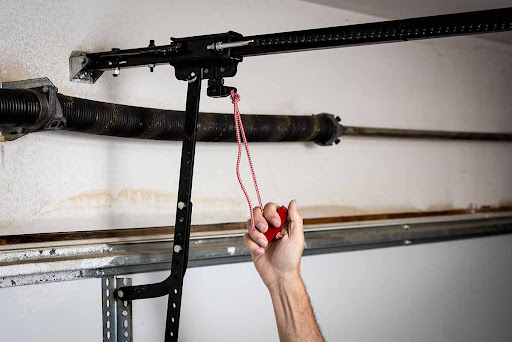
Have you ever stared at that bright red handle hanging from your garage door opener rail and wondered, “What is the red cord on my garage door?” It’s a common question for new homeowners or anyone who hasn’t had to deal with a power outage or mechanical failure. While it might look like a simple pull-string, this component plays a vital role in your home’s safety and accessibility. Understanding its purpose can save you from being trapped in your garage or damaging your property during an emergency.
The Critical Role of the Emergency Release Cord
The red cord you see hanging from your garage door opener is officially known as the emergency release mechanism or manual release handle. Its primary function is to disengage the garage door from the automatic opener carriage, allowing you to open and close the door manually.
This feature is not just a convenience; it is a mandatory safety requirement. According to federal safety standards in the United States, all residential garage door openers manufactured after 1993 must include this manual release feature. This ensures that if the power goes out, the opener breaks down, or there is a fire, you are not locked inside or outside your home.
Why Is It Red?
The color red is universally recognized as a signal for urgency, danger, or important action. In the context of garage doors, the bright red color serves several psychological and practical purposes:
- High Visibility: It stands out against the typically neutral colors of garage ceilings, rails, and doors.
- Instant Recognition: In an emergency situation, such as a fire or medical crisis, every second counts. The red color allows users to locate the release mechanism instantly without searching.
- Safety Standardization: Many safety devices across various industries use red to indicate manual override or emergency stop functions, creating a consistent user experience.
How Does the Emergency Release Mechanism Work?
To truly understand what is the red cord on my garage door, it helps to know the mechanics behind it. Your garage door opener consists of a motor unit that moves a trolley along a rail. This trolley is connected to the top of your garage door via an arm.
When you press your remote or wall button, the motor moves the trolley, which pushes or pulls the door open or closed. The red cord is attached to a lever on this trolley. When you pull the cord, you physically disconnect the trolley from the door.
Step-by-Step: How to Use the Red Cord Properly
Using the emergency release is straightforward, but doing it incorrectly can damage your door or injure you. Follow these precise steps:
- Ensure the Door is Closed: Never pull the release cord while the door is moving or fully open. The door is heavy (often 100–400 pounds), and if disconnected while open, it could crash down unexpectedly.
- Pull Down Firmly: Grasp the red handle and pull it straight down toward the floor. You should hear a distinct click sound. This indicates that the locking mechanism has disengaged.
- Lift the Door Manually: Once disconnected, lift the door by hand. Use your legs, not your back, as garage doors are heavy. Lift smoothly until the door is fully open.
- Re-engaging the Opener: To reconnect the door to the opener, simply pull the red cord again or operate the automatic opener. The trolley will slide back into place and lock automatically. You may need to lower the door completely for the mechanism to re-engage properly.
Pro Tip: If you have a smart garage door opener, some models allow you to monitor the status of the emergency release. Check your manufacturer’s app to see if it alerts you when the door has been manually disconnected.
Common Misconceptions and Safety Risks
Many homeowners misunderstand the purpose of this cord, leading to potential security vulnerabilities or accidents. Let’s address the most common myths.
Myth 1: “It’s Just for Power Outages”
While power outages are the most common reason to use the release, it is also essential for mechanical failures. If your opener’s gears strip or the motor burns out, the red cord is your only way to access your car or home.
Myth 2: “Leaving It Disconnected Is Safer”
Some people believe that keeping the door disconnected from the opener prevents burglars from using electronic hacking tools to open it. However, this is dangerous. A disconnected door relies entirely on its springs and balance. If the springs are worn, the door could fall violently. Furthermore, most modern burglars target weak points like windows or unlocked side doors, not the garage opener encryption.
Security Concern: The “Coat Hanger” Hack
A well-known vulnerability involves thieves using a coat hanger to pull the red cord through a slightly open garage door window. To prevent this:
- Keep garage windows covered or frosted.
- Ensure your garage door is fully closed when away.
- Consider installing a shield or cover over the red cord handle to make it harder to hook from the outside.
For more detailed information on garage door safety standards, you can refer to the Consumer Product Safety Commission (CPSC) guidelines, which outline federal regulations for residential garage door openers.
Maintenance Tips for Your Emergency Release Cord
Like any mechanical part, the emergency release cord requires occasional attention to ensure it works when you need it most.
| Maintenance Task | Frequency | Why It Matters |
|---|---|---|
| Visual Inspection | Monthly | Check for fraying, discoloration, or damage to the cord. |
| Test the Release | Every 6 Months | Pull the cord to ensure it disengages smoothly and re-engages correctly. |
| Lubricate the Trolley | Annually | Apply a silicone-based lubricant to the trolley mechanism to prevent sticking. |
| Check Door Balance | Annually | With the door disconnected, lift it halfway. It should stay in place. If it falls, call a professional. |
Warning Signs That Your Release Mechanism Needs Repair
- Stiffness: If the cord is hard to pull, the internal spring may be corroded or jammed.
- No Click Sound: If you pull the cord but don’t hear the disengagement click, the mechanism may be broken.
- Door Won’t Re-engage: If the door doesn’t reconnect to the opener after pulling the cord again, the trolley lock may be misaligned.
People Also Ask: Frequently Asked Questions
1. Can I remove the red cord if I don’t like how it looks?
No. Removing the emergency release cord is a violation of safety standards and can leave you trapped in an emergency. If the cord is dangling too low, you can tie it up securely out of reach of children, but never remove it entirely.
2. What happens if I pull the red cord while the door is opening?
Pulling the cord while the door is moving will immediately stop the automatic operation. However, the door may continue to move due to momentum. This can be dangerous and may damage the opener’s gears. Always wait for the door to come to a complete stop before using the release.
3. Is the red cord the same as the emergency stop button?
No. The red cord is a manual release that disconnects the door from the motor. An emergency stop button (usually found on commercial openers) cuts power to the motor but does not necessarily disconnect the door. Residential openers typically rely solely on the manual release cord.
4. How do I know if my garage door is properly balanced after using the red cord?
After disconnecting the door, lift it manually to about waist height. Let go. A properly balanced door should stay in place. If it slides down quickly, the torsion springs are likely worn out and need professional replacement. Do not attempt to adjust springs yourself, as they are under extreme tension and can cause serious injury.
5. Can I automate the emergency release?
Some high-end smart garage door openers offer features that allow you to monitor the release status, but there is no safe way to “automate” the physical disconnection process. The manual pull is a deliberate safety feature to prevent accidental disengagement.
6. What should I do if the red cord breaks?
If the cord snaps or detaches, you will not be able to manually disconnect the door in an emergency. Contact a licensed garage door technician immediately to replace the release mechanism. Do not attempt to rig a temporary solution, as it may fail when you need it most.
Conclusion: Respect the Red Cord
Understanding what is the red cord on my garage door is more than just satisfying curiosity—it’s about ensuring your family’s safety and your home’s accessibility. This simple red handle is your lifeline during power outages, mechanical failures, and emergencies. By treating it with respect, testing it regularly, and keeping it secure from external tampering, you ensure that your garage door remains a reliable entry point to your home.
Don’t wait for an emergency to test your knowledge. Take a moment this week to locate your red cord, inspect it for wear, and practice using it safely. Your future self will thank you.
Found this guide helpful? Share it with your neighbors and friends on social media to help spread awareness about garage door safety!
Leave a Reply