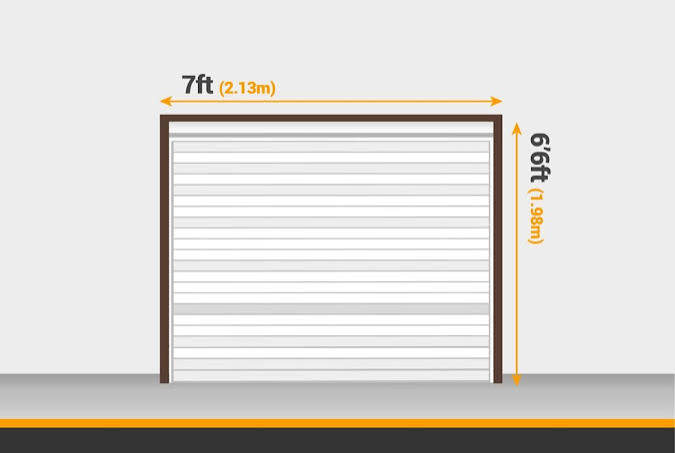
Have you ever stood in your driveway, tape measure in hand, wondering what is the height of a standard garage door? You’re not alone. Whether you’re replacing an old door, building a new home, or planning to store taller vehicles like SUVs and trucks, getting the right dimensions is crucial for both functionality and curb appeal.
Choosing the wrong size can lead to costly mistakes, installation headaches, and even safety hazards. In this comprehensive guide, we’ll break down everything you need to know about standard garage door heights, helping you make an informed decision that fits your specific needs.
Understanding Standard Garage Door Heights
When homeowners ask what is the height of a standard garage door, the answer typically falls into two main categories depending on whether you have a single-car or double-car garage.
Single-Car Garage Door Height
For most residential properties in the United States, the standard height for a single-car garage door is 7 feet (84 inches). This measurement has been the industry norm for decades and accommodates the majority of sedans, compact cars, and smaller SUVs.
However, modern trends show a shift toward taller options:
- 7-foot doors: Traditional standard, suitable for most passenger vehicles
- 8-foot doors: Increasingly popular for larger SUVs, trucks, and added clearance
- 9-foot doors: Custom option for specialty vehicles or storage needs
Double-Car Garage Door Height
Double-car garage doors follow similar height standards but come in wider configurations:
- Standard height: 7 feet (84 inches) remains common
- Modern preference: 8 feet (96 inches) is becoming the new standard
- Custom heights: 9-10 feet for recreational vehicles or boats
According to recent industry data from the International Door Association, approximately 65% of new home constructions now feature 8-foot tall garage doors instead of the traditional 7-foot option, reflecting the growing size of American vehicles.
Why Garage Door Height Matters More Than You Think
You might wonder why a few extra inches make such a difference. The truth is, garage door height impacts several critical aspects of your home:
Vehicle Compatibility
The average vehicle height has increased significantly over the past two decades:
| Vehicle Type | Average Height | Recommended Door Height |
|---|---|---|
| Compact Sedan | 4.5-5 feet | 7 feet |
| Mid-size SUV | 5.5-6 feet | 7-8 feet |
| Full-size Truck | 6-6.5 feet | 8 feet |
| Large SUV/Minivan | 6-6.5 feet | 8 feet |
| RV/Boat Trailer | 7-8+ feet | 9-10 feet |
Source: Automotive dimensional standards
Storage and Functionality
Beyond parking vehicles, your garage likely serves multiple purposes:
- Overhead storage: Taller doors allow for ceiling-mounted racks
- Workshop space: Additional clearance for standing workbenches
- Bicycle storage: Vertical bike racks require extra height
- Seasonal decorations: Holiday items often need vertical space
Resale Value Considerations
Real estate experts note that homes with 8-foot garage doors command 3-5% higher resale values in markets where larger vehicles are common. Buyers increasingly view taller doors as a premium feature rather than an upgrade.
Factors That Influence Your Ideal Garage Door Height
Several variables should guide your decision when determining what is the height of a standard garage door for your specific situation:
1. Current and Future Vehicle Needs
Consider not just what you drive today, but what you might drive in 5-10 years. If you’re planning to purchase an electric SUV or pickup truck, those vehicles tend to be taller than their gas-powered counterparts.
2. Local Building Codes and HOA Requirements
Many municipalities and homeowner associations have specific guidelines:
- Minimum clearance requirements: Often 7 feet for residential zones
- Maximum height restrictions: Some areas limit doors to 8 feet for aesthetic consistency
- Historic district rules: May require maintaining original proportions
Always check with your local building department before making changes.
3. Garage Structure Limitations
Your existing garage framework may constrain your options:
- Header beam height: Must accommodate the door plus track system
- Side wall clearance: Typically needs 3-6 inches on each side
- Ceiling joist positioning: Affects overhead track installation
4. Climate and Weather Considerations
In regions with heavy snowfall, taller doors provide better clearance for snow accumulation on vehicles. Coastal areas may have different requirements due to wind load specifications.
Measuring Your Garage Door Opening Correctly
If you’re replacing an existing door or verifying dimensions for a new installation, accurate measurement is essential. Follow these steps:
Step-by-Step Measurement Guide
- Measure the width: Measure from inside edge to inside edge at the top, middle, and bottom. Use the smallest measurement.
- Measure the height: Measure from the floor to the inside top of the opening on both sides. Again, use the smallest measurement.
- Check for square: Measure diagonally from corner to corner. Both diagonal measurements should be within ¼ inch of each other.
- Measure headroom: From the top of the opening to the lowest ceiling obstruction, you typically need 12-18 inches for standard track systems.
- Measure side room: You’ll need 3-6 inches on each side for track mounting hardware.
Pro Tip: Always measure in inches and record all three width and height measurements. Doors are manufactured to fit the rough opening, not the finished opening.
Common Garage Door Height Mistakes to Avoid
Even experienced DIYers make these costly errors:
Mistake #1: Assuming All “Standard” Doors Are Identical
While 7 feet is considered standard, manufacturers may vary by ±½ inch. Always verify exact specifications before ordering.
Mistake #2: Forgetting About Track Clearance
The door panel itself might fit, but the track system requires additional space. Insufficient headroom is the number one reason for installation failures.
Mistake #3: Not Accounting for Floor Slope
Garage floors often slope toward the door for drainage. This can reduce effective clearance by 1-2 inches at the entrance.
Mistake #4: Ignoring Future Needs
Installing a 7-foot door when you’re considering a taller vehicle locks you into expensive modifications later.
When to Choose Non-Standard Heights
While standard sizes work for most homeowners, certain situations warrant custom dimensions:
Consider Taller Doors If:
- You own or plan to buy vehicles over 6.5 feet tall
- You want to install a car lift for automotive work
- You need to store kayaks, canoes, or ladders vertically
- Your neighborhood predominantly features 8-foot doors
Consider Shorter Doors If:
- You’re in a historic preservation district
- Your garage has structural limitations
- You only park compact vehicles and motorcycles
- Budget constraints are primary concerns
Cost Implications of Different Garage Door Heights
Understanding the financial impact helps inform your decision:
| Door Height | Single-Car Cost Range | Double-Car Cost Range | Installation Complexity |
|---|---|---|---|
| 7 feet | $800-$1,500 | $1,200-$2,500 | Standard |
| 8 feet | $1,000-$2,000 | $1,500-$3,500 | Moderate |
| 9 feet | $1,500-$3,000 | $2,500-$5,000 | Complex |
| 10+ feet | $2,500+ | $4,000+ | Professional required |
Prices include basic insulated steel doors and professional installation. Premium materials (wood, custom glass) cost significantly more.
The price increase from 7 to 8 feet is typically 15-25%, while jumping to 9 feet can increase costs by 40-60% due to heavier materials and reinforced hardware requirements.
Frequently Asked Questions
Q: What is the height of a standard garage door in metric measurements?
A: A standard 7-foot garage door equals 2.13 meters (213 centimeters). An 8-foot door measures 2.44 meters (244 centimeters). Most international manufacturers produce doors in metric equivalents of these standard imperial sizes.
Q: Can I increase my garage door height after installation?
A: Technically yes, but it’s rarely practical. Raising a garage door height requires modifying the header beam, potentially reinforcing side walls, adjusting the roof structure, and reconfiguring the entire track system. Costs often exceed $3,000-$5,000. It’s usually more economical to replace the entire door system if significant height changes are needed.
Q: Do garage door openers work with all door heights?
A: Most residential garage door openers accommodate doors up to 8 feet tall without modification. For 9-foot or taller doors, you may need:
- Extended rail kits
- Higher horsepower motors (¾ HP instead of ½ HP)
- Reinforced mounting brackets
Always verify opener compatibility with your specific door height before purchasing.
Q: What’s the maximum height for a residential garage door?
A: While there’s no universal maximum, most residential garages accommodate doors up to 10-12 feet tall. Beyond this height, you enter commercial door territory, which requires different hardware, stronger springs, and often commercial-grade openers. Local building codes may also impose maximum height restrictions.
Q: How much clearance do I need above my garage door?
A: Standard torsion spring systems require 12-18 inches of headroom above the door opening. Extension spring systems need less space (approximately 10 inches) but are less common in modern installations. Low-headroom track systems can work with as little as 6 inches but may limit door operation smoothness.
Q: Are taller garage doors more prone to problems?
A: Taller doors aren’t inherently problematic if properly installed and maintained. However, they do experience:
- Greater wind load stress
- Heavier weight requiring stronger springs
- More potential for track misalignment
Regular maintenance (lubrication, balance checks, visual inspections) becomes even more important for doors 8 feet and taller. Annual professional inspections are recommended.
Conclusion: Making the Right Choice for Your Home
Now that you understand what is the height of a standard garage door, you can make a confident decision tailored to your specific needs. While 7 feet remains the traditional standard, the trend toward 8-foot doors reflects our evolving vehicle sizes and lifestyle requirements.
Key takeaways:
- Single-car standard: 7 feet (with 8 feet becoming increasingly common)
- Double-car standard: 7-8 feet depending on era and location
- Future-proofing: Consider 8 feet if budget allows
- Measure carefully: Always verify your specific opening dimensions
- Professional help: Consult experts for non-standard installations
Remember, your garage door represents one of the most visible features of your home’s exterior. Choosing the right height balances practicality, aesthetics, and long-term value. Don’t rush this decision—take time to assess your current and future needs.
Found this guide helpful? Share it with friends who are tackling similar home improvement projects! Follow us on social media for more expert home maintenance tips and guides. Have questions about your specific situation? Drop them in the comments below—we love helping our community make informed decisions.
Ready to upgrade your garage door? Start by measuring your opening accurately and consulting with at least three reputable local installers for quotes. Your perfect door height is out there waiting!
Leave a Reply