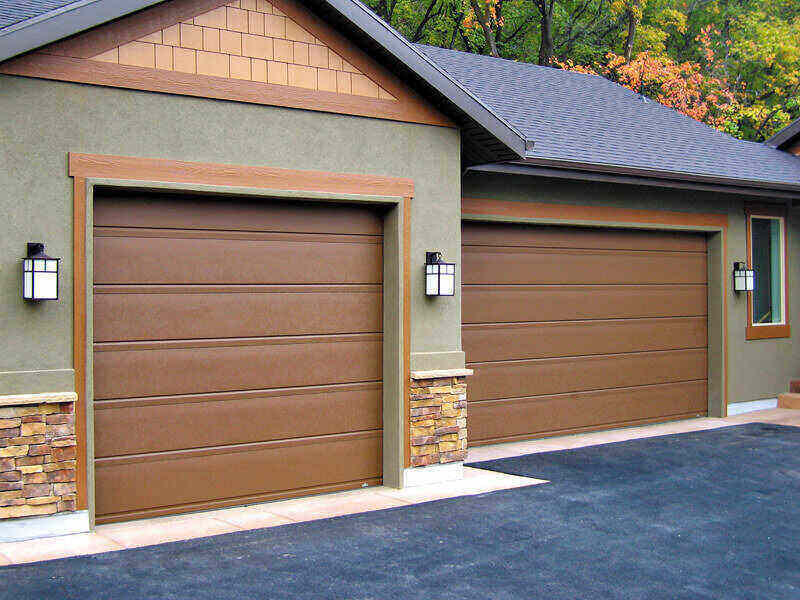
Replacing a broken or outdated garage door is often an unexpected expense that can disrupt your daily routine and compromise your home’s security. If you are staring at a dented panel or a motor that refuses to budge, you are likely asking yourself, “What is the cost to replace a garage door?” Understanding the financial commitment involved is the first step toward restoring both functionality and curb appeal to your property.
Understanding the Average Cost Range
When planning your budget, it is essential to look at the national averages while recognizing that local factors play a significant role. In 2026, the typical homeowner in the United States spends between $1,200 and $4,500 for a complete garage door replacement. This range includes the cost of the new door unit, necessary hardware, and professional installation labor.
However, this figure is not one-size-fits-all. A basic single-car steel door might cost as little as $800 installed, while a custom-made, insulated wooden double-door with smart technology can easily exceed $10,000. According to industry reports, the majority of mid-range projects hover around the $2,500 mark. This price point usually gets you a durable, insulated steel door with a standard warranty and reliable opener compatibility.
It is also important to note that prices have fluctuated due to supply chain adjustments and material costs. Always request at least three quotes from licensed contractors in your area to ensure you are getting a fair market rate.
How Material Choice Impacts Your Budget
The material you choose is the single biggest factor determining what is the cost to replace a garage door. Each option offers different benefits regarding durability, maintenance, and aesthetics.
Steel: The Popular Choice
Steel doors are the most common choice for American homes due to their affordability and low maintenance.
- Cost: $800 – $2,500
- Pros: Durable, resistant to warping, available in various styles.
- Cons: Can dent easily; prone to rust if the finish is scratched.
Wood: The Premium Option
For those seeking classic charm, wood doors offer unmatched beauty but require significant upkeep.
- Cost: $2,000 – $10,000+
- Pros: Natural aesthetic, excellent insulation properties.
- Cons: High maintenance (staining/sealing), susceptible to rot and insects.
Aluminum and Glass: The Modern Look
Often used in contemporary homes, these materials provide a sleek appearance.
- Cost: $1,500 – $4,500
- Pros: Rust-resistant, lightweight, modern aesthetic.
- Cons: Poor insulation, dents easily, higher cost than basic steel.
Composite: The Best of Both Worlds
Composite doors mimic the look of wood but are made from durable synthetic materials.
- Cost: $1,200 – $3,500
- Pros: Low maintenance, good insulation, wood-like appearance.
- Cons: Limited color options, heavier than aluminum.
| Material | Average Cost | Durability | Maintenance Level |
|---|---|---|---|
| Steel | $800 – $2,500 | High | Low |
| Wood | $2,000 – $10,000+ | Medium | High |
| Aluminum | $1,500 – $4,500 | Medium | Low |
| Composite | $1,200 – $3,500 | High | Low |
Does Insulation Add Value?
Many homeowners wonder if paying extra for insulation is worth it. The short answer is yes, especially if your garage is attached to your home or used as a workspace. Insulated doors help regulate temperature, reduce noise, and increase the overall structural integrity of the door.
Insulation is measured by R-value. A higher R-value means better thermal resistance.
- Non-insulated (R-0 to R-2): Cheapest option, suitable for detached garages.
- Standard Insulation (R-6 to R-9): Good for attached garages, helps with mild temperature control.
- High Performance (R-12 to R-18): Ideal for extreme climates, significantly reduces energy bills.
Adding insulation typically adds $200 to $500 to the total cost. However, this investment can pay for itself over time through reduced heating and cooling costs for the adjacent living spaces. For more detailed information on building standards and energy efficiency, you can refer to resources like Wikipedia’s entry on Thermal Insulation.
Labor Costs and Installation Complexity
While the door itself is a major expense, labor is a critical component of the final bill. Professional installation usually costs between $300 and $800, depending on the complexity of the job.
Several factors can increase labor costs:
- Removal of Old Door: If the existing door is heavy or damaged, removal may take longer.
- Structural Modifications: If the new door size differs from the old one, framing adjustments may be needed.
- Electrical Work: Installing a new opener or rewiring sensors adds to the electrician’s time.
- Location: Labor rates in urban areas like New York or San Francisco are significantly higher than in rural regions.
DIY installation is possible for experienced handymen, but it is not recommended for most homeowners. Garage doors are under high tension and can cause serious injury if springs are handled incorrectly. Professional installers have the tools and expertise to ensure the door is balanced and safe.
Additional Costs to Consider
When calculating what is the cost to replace a garage door, do not forget the “hidden” expenses that often catch homeowners off guard.
- Garage Door Opener: A new opener costs between $150 and $500. Smart openers with Wi-Fi connectivity are on the higher end but offer convenience and security features.
- Hardware and Springs: Torsion springs and cables wear out over time. Replacing them during installation adds $100–$300.
- Permits: Some municipalities require permits for garage door replacements, costing $50–$200.
- Disposal Fees: Removing the old door may incur a disposal fee of $50–$100 if not included in the installation quote.
Step-by-Step Guide to Budgeting Your Replacement
To ensure you stay within budget, follow these practical steps:
- Measure Accurately: Measure the width and height of your current opening. Standard sizes are 8×7, 9×7, 16×7, and 18×7 feet. Custom sizes cost more.
- Choose Your Material: Decide between steel, wood, or composite based on your climate and aesthetic preferences.
- Select Insulation Level: Determine if you need basic, standard, or high-performance insulation based on your garage usage.
- Get Multiple Quotes: Contact at least three licensed contractors. Ask for itemized quotes that separate material and labor costs.
- Check Warranties: Look for warranties on both the door panels (often 10–20 years) and the installation work (1–5 years).
- Plan for Extras: Budget an additional 10–15% for unexpected issues like rotted framing or electrical upgrades.
FAQ Section
How long does it take to replace a garage door?
A professional team can typically remove the old door and install a new one in 4 to 6 hours. If structural modifications or new wiring are required, it may take up to a full day.
Can I replace just the garage door panels instead of the whole door?
Yes, if the damage is localized to one or two panels, you can replace them individually. This costs significantly less, usually $250–$800 per panel. However, if the door is old, finding matching panels may be difficult, and full replacement might be more cost-effective in the long run.
Does replacing a garage door increase home value?
Absolutely. According to real estate experts, a new garage door offers one of the highest returns on investment (ROI) for home improvement projects, often recouping 85–95% of the cost upon resale. It significantly boosts curb appeal.
What is the lifespan of a new garage door?
With proper maintenance, a steel garage door can last 15–30 years. Wood doors may last 10–20 years depending on how well they are maintained against weather elements. Regular lubrication and annual inspections can extend these lifespans.
Should I replace my garage door opener at the same time?
If your current opener is more than 10 years old, it is highly recommended to replace it. Newer models are quieter, more energy-efficient, and come with enhanced safety features like battery backups and smartphone integration.
Conclusion
Knowing what is the cost to replace a garage door empowers you to make informed decisions that balance budget, aesthetics, and functionality. While the average cost ranges from $1,200 to $4,500, your specific price will depend on material choice, insulation needs, and labor rates in your area. Investing in a quality door not only enhances your home’s security and energy efficiency but also boosts its market value.
Don’t let a faulty door compromise your comfort. Take the time to compare options, get professional quotes, and choose a solution that fits your lifestyle. If you found this guide helpful, please share it with friends or neighbors who might be facing similar home improvement challenges!
Leave a Reply