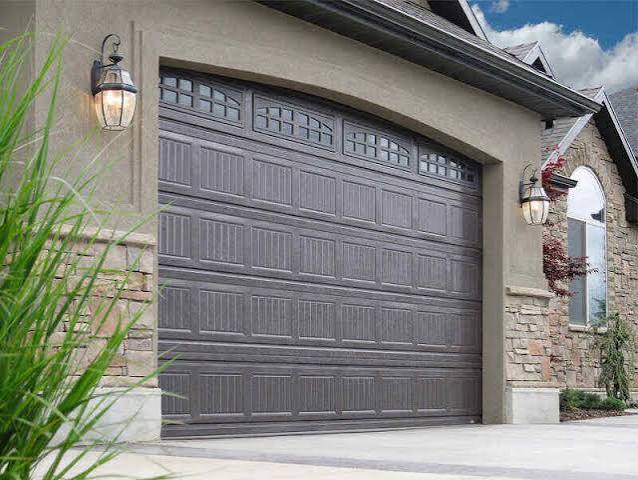
Replacing a broken or outdated garage door is often an unexpected expense that can disrupt your daily routine and home security. Many homeowners find themselves scrambling for answers when their door springs snap or panels get damaged, leading to the urgent question: what is the cost of replacing a garage door? Understanding the financial commitment upfront helps you budget effectively and avoid overpaying for services.
In this comprehensive guide, we will break down every factor influencing the price, from materials to labor, ensuring you make an informed decision for your home.
Average Cost Breakdown for 2026
The total cost to replace a garage door varies significantly based on size, material, and insulation levels. On average, homeowners in the United States spend between $850 and $4,200 for a standard single-car garage door replacement, including professional installation. For double-car doors, the range typically shifts to $1,200–$5,500.
National Average Pricing Table
| Item | Low-End Cost | High-End Cost |
|---|---|---|
| Single Garage Door (Material Only) | $300 | $1,500 |
| Double Garage Door (Material Only) | $500 | $2,500 |
| Labor & Installation | $300 | $800 |
| Old Door Removal & Disposal | $50 | $150 |
| Total Estimated Project Cost | $850 | $5,500+ |
Note: Prices are estimates and can vary by region and contractor.
How Does Material Choice Impact Price?
One of the biggest determinants of what is the cost of replacing a garage door is the material you choose. Each material offers different benefits regarding durability, maintenance, and aesthetics.
1. Steel Doors
Steel is the most popular choice due to its affordability and durability.
- Cost: $750–$2,500
- Pros: Low maintenance, resistant to warping, available in various styles.
- Cons: Can dent easily; prone to rust if not properly coated.
2. Aluminum Doors
Aluminum is lightweight and resistant to corrosion, making it ideal for coastal areas.
- Cost: $1,000–$3,500
- Pros: Rust-proof, modern look, lightweight (less strain on opener).
- Cons: Dents easily, less insulating than steel.
3. Wood Doors
For a classic, high-end look, wood is unmatched but comes with a higher price tag and maintenance requirements.
- Cost: $1,500–$5,000+
- Pros: Beautiful natural aesthetic, excellent insulation properties.
- Cons: Requires regular staining/painting, susceptible to rot and warping.
4. Fiberglass & Composite
These materials mimic the look of wood but offer better durability and lower maintenance.
- Cost: $1,200–$4,000
- Pros: Resistant to dents and corrosion, good insulation.
- Cons: Can fade over time in direct sunlight, higher initial cost than steel.
Does Insulation Affect the Replacement Cost?
Yes, insulation plays a crucial role in both the upfront cost and long-term energy savings. Garage doors are rated by R-value, which measures thermal resistance.
- Non-Insulated (R-0 to R-2): Cheapest option. Best for detached garages or mild climates.
- Partially Insulated (R-4 to R-6): Moderate price. Good for attached garages in temperate zones.
- Fully Insulated (R-12 to R-18): Most expensive. Ideal for homes where the garage is used as a workspace or shares a wall with living spaces.
Adding insulation can increase the door’s cost by $200–$500, but it may reduce heating and cooling bills if your garage is attached to your home. According to energy efficiency experts, a well-insulated garage door can help stabilize temperatures in adjacent rooms, potentially saving up to 10% on energy costs in extreme climates.
What Are the Labor and Installation Fees?
While the door itself is a significant expense, labor is another critical component when calculating what is the cost of replacing a garage door. Professional installation ensures safety and proper functionality, especially given the high tension of garage door springs.
Typical Labor Costs
- Standard Installation: $300–$500
- Complex Installations (Custom sizes, heavy doors): $500–$800
- Removal of Old Door: $50–$150
Why Hire a Professional?
Garage doors are heavy and under extreme tension. Attempting DIY installation can lead to serious injury or damage to the door mechanism. Professionals also ensure that the door is balanced correctly, which extends the lifespan of the opener and springs. For more details on garage door mechanisms and safety standards, you can refer to Wikipedia’s entry on Garage Doors.
Additional Costs to Consider
Beyond the door and labor, several additional factors can influence the final bill.
1. Garage Door Opener
If your existing opener is old or incompatible with the new door, you may need to replace it.
- Chain Drive: $150–$250 (Noisy but durable)
- Belt Drive: $250–$400 (Quieter operation)
- Smart Openers: $300–$500 (Wi-Fi enabled, app control)
2. Hardware and Springs
Torsion springs and cables wear out over time. If your door is older, it’s wise to replace these components during installation.
- Spring Replacement: $150–$350
- Rollers and Hinges: $50–$100
3. Permits
Some local municipalities require permits for garage door replacements, especially if structural changes are made. Check with your local building department; fees typically range from $50 to $150.
How to Save Money on Garage Door Replacement
Replacing a garage door doesn’t have to break the bank. Here are some strategies to reduce costs without compromising quality.
- Get Multiple Quotes: Always obtain at least three quotes from licensed contractors. Prices can vary significantly between companies.
- Choose Standard Sizes: Custom-sized doors are much more expensive. If possible, adjust the opening to fit a standard size.
- Opt for Steel: Steel doors offer the best balance of cost, durability, and low maintenance.
- Keep Existing Hardware: If your tracks, rollers, and opener are in good condition, ask if they can be reused.
- Schedule Off-Season: Contractors may offer discounts during slower months (late fall or winter) compared to peak spring/summer seasons.
FAQ Section
Q1: How long does it take to replace a garage door?
A professional team can typically remove the old door and install a new one within 4 to 6 hours. Complex installations or custom doors may take a full day.
Q2: Can I replace just the garage door panels instead of the whole door?
Yes, if only one or two panels are damaged, you can replace them individually. This costs $150–$400 per panel. However, if the door is old, finding matching panels can be difficult, and full replacement might be more cost-effective in the long run.
Q3: Does a new garage door increase home value?
Absolutely. According to the Remodeling Magazine’s Cost vs. Value Report, garage door replacement consistently ranks as one of the top home improvement projects for ROI, often recouping 90–95% of the cost upon resale due to improved curb appeal.
Q4: What is the lifespan of a new garage door?
With proper maintenance, a high-quality garage door can last 15–30 years. Steel doors tend to last longer than wood, which requires more upkeep. Regular lubrication and annual inspections can extend its life.
Q5: Should I replace my garage door opener when I replace the door?
If your opener is more than 10 years old, it is recommended to replace it. Newer models are quieter, safer, and more energy-efficient. Additionally, new doors may require different mounting brackets or power specifications.
Conclusion
Understanding what is the cost of replacing a garage door empowers you to make smart financial decisions for your home. While the average cost ranges from $850 to $5,500, the right choice depends on your budget, climate, and aesthetic preferences. Investing in a quality door not only enhances security and energy efficiency but also boosts your home’s curb appeal and market value.
Don’t let a broken door compromise your safety or comfort. Take the time to compare materials, get multiple quotes, and choose a reputable installer. If you found this guide helpful, please share it with friends and family who might be facing similar home improvement challenges!
Leave a Reply