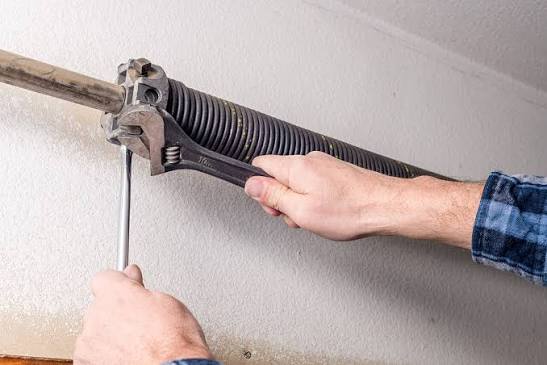
Have you ever woken up to the frustrating sound of a snapped garage door spring, leaving your car trapped inside? It’s a common headache for homeowners, and knowing what is the cost of a garage door spring can help you budget effectively and avoid overpaying. In this guide, we’ll break down everything you need to know about pricing, types, and professional installation.
Understanding Garage Door Springs: Why They Matter
Garage door springs are the unsung heroes of your garage system. They counterbalance the heavy weight of the door, making it easy to open and close manually or with an opener. Without functioning springs, your garage door becomes dead weight, potentially damaging the opener or causing safety hazards.
There are two main types of garage door springs:
- Torsion Springs: Mounted above the door, these are more durable and commonly used in modern homes.
- Extension Springs: Located on both sides of the door, these stretch and contract to lift the door.
Understanding which type you have is the first step in estimating costs. Torsion springs generally last longer but can be more expensive to replace due to the complexity of installation.
What Is The Cost Of A Garage Door Spring?
The average cost to replace a garage door spring ranges from $150 to $350, including parts and labor. However, this price can vary significantly based on several factors:
| Factor | Impact on Cost |
|---|---|
| Spring Type | Torsion springs ($200–$350) are typically more expensive than extension springs ($150–$250). |
| Door Weight | Heavier doors require stronger, more expensive springs. |
| Labor Rates | Professional installation fees vary by region, typically adding $50–$100 to the total. |
| Emergency Service | After-hours or weekend repairs can incur additional charges of 20–50%. |
For a standard single-car garage with a torsion spring, expect to pay around $250 for a complete replacement. If you have a double-car garage or a custom heavy-duty door, costs can rise to $400 or more.
Breakdown of Parts vs. Labor
- Parts Only: A single torsion spring costs between $40 and $100. Extension springs are cheaper, ranging from $20 to $60 each. Note that springs are often sold in pairs, especially for torsion systems, to ensure balanced lifting.
- Labor: Professional technicians charge between $50 and $150 for installation. This fee covers the risk and expertise required, as garage door springs are under high tension and can be dangerous to handle without proper tools.
Factors Influencing the Price of Garage Door Springs
Several variables can cause the price to fluctuate. Being aware of these can help you negotiate better or choose the right service provider.
1. Material Quality and Lifespan
Not all springs are created equal. Standard springs are rated for approximately 10,000 cycles (one cycle = one open and one close). High-cycle springs, rated for 25,000+ cycles, cost more upfront but last significantly longer. For a family that uses the garage daily, investing in high-cycle springs is often more cost-effective in the long run.
2. Geographic Location
Labor costs vary widely across the United States. In major metropolitan areas like New York or San Francisco, expect to pay premium rates. In rural areas or smaller towns, prices may be 10–20% lower.
3. Brand and Warranty
Reputable brands like Raynor, Overhead Door, and Clopay offer warranties ranging from 1 to 5 years. While generic springs might save you $20 initially, they often lack warranty coverage and may fail prematurely.
DIY vs. Professional Installation: Is It Worth the Risk?
Many homeowners ask, “Can I replace the spring myself to save money?” While technically possible, it is strongly discouraged for most people.
The Dangers of DIY Replacement
Garage door springs store immense kinetic energy. If a torsion spring slips during installation, it can release enough force to cause severe injury or even death. According to the Consumer Product Safety Commission, thousands of garage door-related injuries occur annually, many involving spring failures.
When to Call a Professional
- Safety First: Professionals have specialized winding bars and clamps to safely manage tension.
- Warranty Protection: Most manufacturers void warranties if the spring is not installed by a certified technician.
- Time Efficiency: A pro can complete the job in 30–60 minutes, whereas a DIY attempt could take hours and require multiple trips to the hardware store.
If you are handy and experienced with high-tension mechanical systems, you might save $50–$100 by doing it yourself. However, for most homeowners, the peace of mind and safety of professional installation are worth the extra cost.
How to Extend the Life of Your Garage Door Springs
Preventive maintenance can delay the need for replacement and save you money. Here are some expert tips:
- Lubricate Regularly: Use a silicone-based lubricant on the springs every 6 months. Avoid WD-40, as it can attract dust and degrade the metal over time.
- Visual Inspections: Check for signs of wear, such as gaps in the coils or rust. A visible gap in a torsion spring indicates it is near failure.
- Balance Test: Disconnect the opener and manually lift the door halfway. If it doesn’t stay in place, the springs are unbalanced and may need adjustment.
- Avoid Slamming: Gently close the door to reduce shock loads on the springs.
FAQ Section
Q1: How long do garage door springs last?
A: Standard torsion springs last about 7–10 years or 10,000 cycles. Extension springs may last slightly less, around 5–7 years. High-cycle springs can last up to 15 years with proper maintenance.
Q2: Can I replace just one spring, or do I need to replace both?
A: It is highly recommended to replace both springs at the same time. Since they endure the same wear and tear, if one breaks, the other is likely close to failing. Replacing both ensures balanced operation and prevents another service call soon after.
Q3: What are the signs that my garage door spring is broken?
A: Common signs include:
- A loud “bang” noise from the garage.
- The door feels extremely heavy when lifted manually.
- The garage door opener struggles or fails to lift the door.
- Visible gaps in the torsion spring coils.
Q4: Does homeowners insurance cover broken garage door springs?
A: Typically, no. Broken springs are considered wear and tear, which is excluded from most standard homeowners insurance policies. However, if the spring broke due to a covered peril like a storm or vandalism, you might be eligible for coverage. Check with your insurer for specifics.
Q5: How much does it cost to repair a garage door cable along with the spring?
A: If cables are damaged during the spring failure, expect to add $20–$50 to the total bill. Many technicians recommend replacing cables simultaneously with springs as a preventive measure, since old cables may snap under the tension of new springs.
Conclusion
Knowing what is the cost of a garage door spring empowers you to make informed decisions when facing this common home repair. With average costs ranging from $150 to $350, it’s a manageable expense that ensures your garage remains safe and functional. Remember, while DIY might seem tempting, the risks far outweigh the savings for most homeowners.
Invest in quality springs, hire a certified professional, and perform regular maintenance to maximize lifespan. If you found this guide helpful, please share it with friends or neighbors who might be dealing with a stubborn garage door!
Stay safe, and keep your garage running smoothly!
Leave a Reply