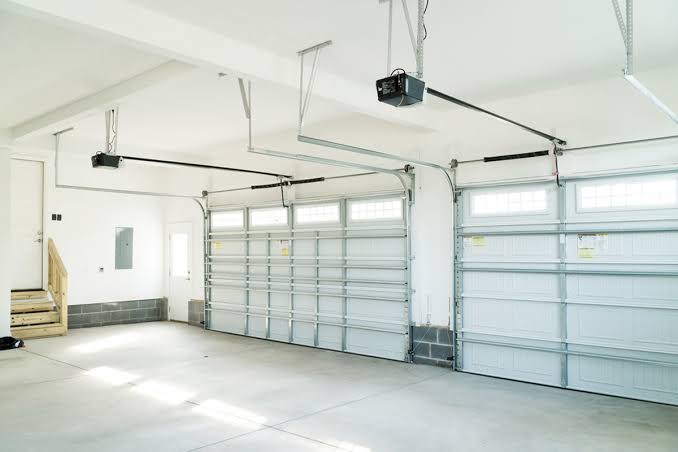
Dealing with a broken or outdated garage door can be incredibly frustrating, especially when you are trying to stick to a strict home improvement budget. If you have been asking yourself, how much does it cost for a garage door opener, you are definitely not alone—this is one of the most common questions homeowners search for every single year. Let’s break down the real prices, hidden fees, and how you can choose the perfect system without breaking the bank.
How Much Does It Cost For A Garage Door Opener: The 2026 Breakdown
When planning your budget, it is crucial to look beyond just the sticker price of the unit itself. According to recent 2026 home improvement data, the national average to purchase and professionally install a new system ranges between $350 and $650.
However, a high-end smart system with advanced security features can easily push your total garage door opener installation cost past $800.
Here is a quick snapshot of where your money goes:
- The Opener Unit: $150 to $500+
- Professional Labor: $150 to $300
- Old Unit Disposal: $25 to $50
- Permits (if required by local HOA/city): $50 to $100
As noted by certified technicians from the International Door Association (IDA), skipping professional installation to save a few dollars can actually void your manufacturer warranty, costing you much more in the long run.
Comparing Garage Door Opener Types (Pros vs. Cons)
The type of drive system you choose will heavily influence the final price. Here is a quick text comparison to help you decide what fits your home and budget.
1. Chain Drive Openers
- Pros: Highly durable, very budget-friendly, excellent for heavy wooden doors.
- Cons: Very noisy operation; not recommended if you have a bedroom directly above the garage.
- Average Price: $150 – $250
2. Belt Drive Openers
- Pros: Ultra-quiet, smooth operation, perfect for attached garages.
- Cons: Slightly more expensive; belts can stretch over a decade.
- Average Price: $200 – $350
3. Screw Drive Openers
- Pros: Low maintenance, fewer moving parts, fast opening speeds.
- Cons: Can struggle and become noisy in extreme temperature fluctuations.
- Average Price: $180 – $300
4. Smart / Wi-Fi Enabled Openers
- Pros: App control, real-time alerts, integrates with Alexa/Google Home.
- Cons: Requires a strong Wi-Fi signal, higher upfront cost.
- Average Price: $250 – $600+
Key Factors That Drive Up Your Total Price
Why do two neighbors pay vastly different prices for the same service? Several secondary factors dictate the final invoice.
Horsepower (HP) Requirements Standard single-car doors usually only need a 1/2 HP motor. However, if you have a heavy, insulated double-car door, you will need to upgrade to a 3/4 HP or even a 1.25 HP motor, adding $50 to $100 to the unit price.
Safety and Security Upgrades Modern building codes require photo-eye sensors that reverse the door if an object is detected. Adding rolling-code technology (which changes your remote’s frequency every use to prevent hacking) or a built-in battery backup will increase the smart garage door opener price by $75 to $150.
Geographic Labor Rates Labor costs vary wildly across the US. Hiring a contractor in New York or San Francisco will naturally cost 20% to 30% more than hiring one in the Midwest.
Step-by-Step Guide: How to Accurately Budget for Your New Opener
Before you call a contractor, follow this exact tutorial to measure your needs and estimate your costs with concrete precision.
Step 1: Measure your door dimensions and weight. Use a standard 25-foot steel tape measure to record the width and height. Next, use an analog floor scale to weigh the door. A standard uninsulated 16×7 foot steel door weighs exactly 135 to 150 pounds, while an insulated wooden door can weigh over 300 pounds.
Step 2: Calculate the required motor horsepower (HP). For doors weighing under 150 lbs, choose a 1/2 HP motor. For doors between 150 and 250 lbs, step up to a 3/4 HP motor. For heavy doors over 300 lbs, you must use a 1.25 HP system to prevent the motor from burning out.
Step 3: Check your ceiling clearance. Measure the distance from the top of your door opening to the ceiling. Standard openers require at least 12 to 15 inches of clearance. If your measurement is under 10 inches, you must budget an extra $150 to $250 for a specialized low-headroom jackshaft opener.
Step 4: Test your existing electrical outlet. Ensure you have a standard 120-volt grounded outlet within 3 to 4 feet of the motor placement. If an electrician needs to run a new dedicated line, add $150 to $200 to your final budget.
The Evolution of Garage Door Safety
It is fascinating to see how far this technology has come. Early models were purely mechanical and posed significant safety risks to children and pets. To understand the mechanics and history behind these vital safety sensors and modern remote controls, you can explore the detailed breakdown on the Wikipedia page for the Garage door opener.
Today, investing in a modern unit is not just about convenience; it is about securing your home with auto-reverse technology and rolling-code encryption.
Frequently Asked Questions (FAQ)
Q1: Is it cheaper to repair or replace my current garage door opener? Apply the “50% Rule.” If the cost to repair your broken chain, logic board, or motor exceeds 50% of the price of a brand-new unit, replacement is the smarter financial move. A new unit also comes with a fresh multi-year warranty.
Q2: How long does a professional installation actually take? For a standard replacement where the existing tracks and springs are in good condition, a professional technician will take between 2 to 4 hours. If new tracks or high-tension springs need replacing, add another 1 to 2 hours.
Q3: Do I really need a battery backup feature? If you live in an area prone to severe storms or frequent power outages, a battery backup is essential. It allows you to open and close your door up to 20 times during a blackout. In states like California, battery backups are actually mandated by law for all new installations.
Q4: Will a new smart opener increase my home’s resale value? While it may not drastically increase the appraised dollar value of your home, a Wi-Fi enabled smart opener significantly boosts buyer appeal. Modern buyers love homes equipped with smart tech that integrates seamlessly with their smartphones and security cameras.
Q5: Can I reuse my old garage door tracks and rails? Generally, no. Manufacturers design their specific rails to match the exact gear ratio and carriage of their new motors. Reusing old rails is a major safety hazard and will almost certainly void your new equipment warranty.
Final Thoughts
Understanding exactly how much a new system costs removes the anxiety from your next home improvement project. By choosing the right drive type, accurately measuring your door’s weight, and budgeting for professional labor, you ensure smooth, quiet, and secure access to your home for the next decade.
Did you find this pricing guide helpful? Share this article on Facebook, Twitter, or Pinterest to help a friend who is struggling with their home improvement budget!
Leave a Reply