Introduction
Struggling to figure out the right size for your new garage door? You’re not alone, and knowing what is the common width for two car garage doors can save you from costly remodeling mistakes. Let’s explore the standard dimensions to ensure your vehicles fit comfortably!
What Is The Common Width For Two Car Garage Doors?
When planning a home renovation, finding the perfect fit for your vehicles is crucial. So, what is the common width for two car garage doors?
The most standard width is 16 feet. However, an 18-foot width is also incredibly popular for modern homes.
Choosing the right size depends heavily on the types of vehicles you own. A 16-foot door provides enough space for two compact or mid-size sedans.
On the other hand, an 18-foot door offers extra breathing room for larger SUVs, pickup trucks, or vans.
According to the National Association of Home Builders (NAHB), over 70% of new constructions in the US opt for either a 16-foot or 18-foot double garage door. This data highlights how essential it is to measure your specific needs before making a purchase.
What Are the Standard Dimensions for a Double Garage Door?
While width is the primary concern, height and overall dimensions matter just as much. Most residential double garage doors come in a few standardized sizes.
Here is a quick breakdown of the most common dimensions you will encounter:
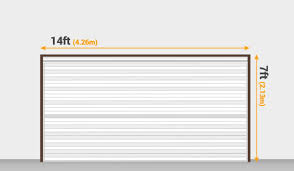
- 16 feet wide by 7 feet high: The absolute standard for most older and average-sized homes.
- 16 feet wide by 8 feet high: Ideal for taller vehicles like lifted trucks or large SUVs.
- 18 feet wide by 7 feet high: Provides extra side clearance for wider vehicles and easier entry.
| Door Size (Width x Height) | Best Suited For | Clearance Level |
|---|---|---|
| 16′ x 7′ | Sedans, Coupes, Small SUVs | Standard |
| 16′ x 8′ | Lifted Trucks, Large SUVs | Extra Height |
| 18′ x 7′ | Wide Trucks, Minivans | Extra Width |
How Do I Measure for a Two-Car Garage Door?
Installing a garage door requires precise measurements. If you are replacing an existing door or building a new garage, follow these concrete steps:
- Measure the Width: Use a steel tape measure to measure the distance from the inside edge of the left jamb to the inside edge of the right jamb. Record this in inches and feet.
- Measure the Height: Measure from the finished floor to the bottom of the header (the top of the opening). Standard heights are usually 84 inches (7 feet) or 96 inches (8 feet).
- Check the Sideroom: Measure the space from the edge of the opening to the adjacent wall on both sides. You need at least 3.75 inches of sideroom on each side for standard track hardware.
- Check the Headroom: Measure from the top of the door opening to the ceiling. Standard torsion spring systems require at least 12 inches of headroom.
- Measure the Backroom: Ensure you have enough depth from the front opening to the back wall. You need a minimum of the door’s height plus 18 inches for the opener and tracks.
Pro Tip: Use a laser measure for the most accurate results. For example, if your opening measures 191 inches wide, you will need a 16-foot (192-inch) door, which leaves a half-inch gap on each side for the weatherstripping.
What Are the Pros and Cons of 16-Foot vs. 18-Foot Doors?
Deciding between these two popular sizes can be tricky. Let’s look at the advantages and disadvantages of each option to help you decide.
16-Foot Garage Door Pros:
- More affordable and widely available.
- Fits perfectly in standard garage openings without structural changes.
- Excellent insulation properties due to a smaller surface area.
Cons:
- Tight fit for two full-size pickup trucks.
- Higher risk of side-mirror scratches when parking simultaneously.
18-Foot Garage Door Pros:
- Ample room for wide vehicles and opening car doors comfortably.
- Makes loading and unloading large items much easier.
- Increases the overall resale value of your home.
Cons:
- Requires a wider structural opening, which may need framing adjustments.
- Heavier door panels may require a more powerful garage door opener.
- Generally costs 15% to 20% more than a 16-foot model.
Do Local Building Codes Affect Garage Door Sizes?
Before you finalize your dimensions, you must check your local building codes. Many municipalities in the US have specific requirements for garage door sizes, especially concerning energy efficiency and structural safety.
For instance, some regions require a minimum R-value for garage doors to prevent heat loss. A larger 18-foot door has more surface area, meaning you might need to invest in higher-quality polyurethane insulation to meet local energy codes.
Always consult your local building department to ensure your chosen size complies with neighborhood regulations.
How Does Garage Door Material Impact Your Choice?
The material of your garage door can influence which size you should choose. Heavier materials like solid wood or thick steel require robust hardware.
If you opt for a massive 18-foot wooden carriage house door, the weight might exceed the capacity of a standard residential opener. In this case, you would need to upgrade to a commercial-grade opener.
Conversely, lightweight aluminum or thin steel doors are easier to operate, even at larger widths. Consider both the size and the material to ensure smooth daily operation.
Frequently Asked Questions
Let’s dive into some of the most common questions homeowners ask about double garage doors.
Q1: Is a 16-foot garage door wide enough for two trucks? A: It depends on the trucks. Two compact or mid-size pickups can fit through a 16-foot door, but it will be a tight squeeze.
For two full-size trucks like a Ford F-150 or Ram 1500, an 18-foot door is highly recommended to avoid mirror damage.
Q2: What is the standard height for a two-car garage door? A: The standard height is 7 feet (84 inches). However, 8 feet (96 inches) is becoming increasingly common to accommodate modern SUVs, lifted trucks, and RVs.
Q3: Can I convert two single garage doors into one double door? A: Yes, but it is a major structural project. You must remove the center column, install a heavy-duty steel or laminated wood header to support the roof, and reinforce the surrounding framing.
According to architectural guidelines detailed on Wikipedia’s Garage Door page, altering the size of a garage opening often requires installing a new structural header to support the roof load.
Q4: How much does a standard 16×7 garage door cost? A: On average, a standard 16×7 steel garage door costs between $800 and $1,500 for the materials alone. When you add professional installation, hardware, and a new opener, the total project typically ranges from $1,500 to $3,500.
Q5: What is the minimum width for a two-car garage? A: The minimum recommended width for a two-car garage is 20 feet. However, 22 to 24 feet is much more practical, allowing enough space to open car doors and walk around the vehicles comfortably.
Q6: Should I choose a single or double garage door? A: A single double door (one large door) is generally preferred because it allows you to park a wide load or store a large item right at the entrance.
However, two single doors provide better insulation and allow one person to enter or exit without exposing the entire garage to the outside elements.
Conclusion
Choosing the right garage door size is a critical step in any home improvement project. By understanding what is the common width for two car garage doors, you can ensure your vehicles are protected and your daily routine remains hassle-free.
Whether you choose the standard 16-foot width or the spacious 18-foot option, accurate measurements are your best tool. Taking the time to evaluate your vehicle sizes, local building codes, and material weights will guarantee a perfect fit.
Leave a Reply