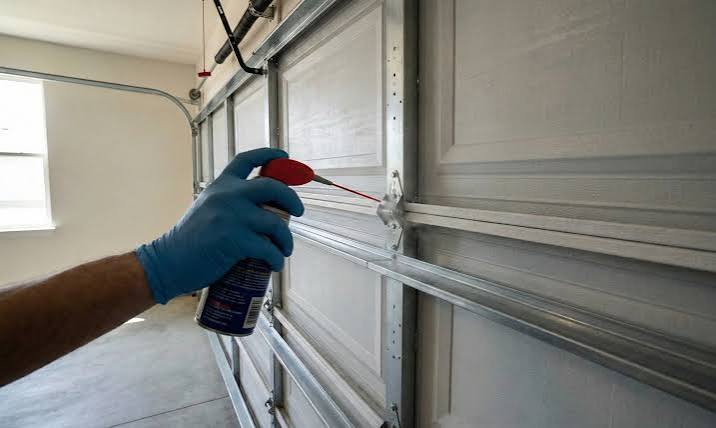
Is your garage door squeaking, grinding, or struggling to open smoothly? You’re not alone—millions of homeowners face this frustrating issue every year. Knowing what is the best way to lubricate a garage door can save you from costly repairs and extend the lifespan of your system significantly. In this comprehensive guide, we’ll walk you through everything you need to know to keep your garage door running like new.
Why Lubricating Your Garage Door Matters
A garage door is one of the most frequently used mechanical systems in your home. According to the International Door Association, the average garage door cycles up to 1,500 times per year. Without proper lubrication, friction builds up, leading to:
- Increased wear on rollers, hinges, and springs
- Noisy operation that disturbs your household
- Higher energy consumption from strained motors
- Premature failure requiring expensive replacements
Regular lubrication reduces friction by up to 80%, ensuring smoother operation and preventing premature breakdowns.
What Is the Best Way to Lubricate a Garage Door?
The best approach combines using the right lubricant, targeting the correct components, and following a consistent maintenance schedule. Let’s break down each element.
Choosing the Right Lubricant
Not all lubricants are created equal. Using the wrong product can attract dirt, gum up mechanisms, or even damage components. Here’s what experts recommend:
| Lubricant Type | Pros | Cons | Best For |
|---|---|---|---|
| Silicone-based spray | Clean, doesn’t attract dust, long-lasting | Slightly higher cost | Rollers, hinges, tracks |
| Lithium-based grease | Excellent adhesion, water-resistant | Can be messy | Springs, heavy-duty parts |
| White lithium spray | Easy application, penetrates well | May drip if over-applied | Hinges, latch mechanisms |
| WD-40 (NOT recommended) | Widely available | Evaporates quickly, attracts dirt | Avoid for garage doors |
Expert Tip: The International Door Association explicitly recommends silicone-based or lithium-based lubricants for residential garage doors. Avoid petroleum-based oils and WD-40, as they provide only temporary relief and can worsen problems over time.
For more information on garage door standards and safety, visit Wikipedia’s page on overhead doors.
Key Components to Lubricate
To achieve optimal results, focus on these critical areas:
- Rollers: The wheels that move along the track
- Hinges: The joints connecting door sections
- Springs: Torsion or extension springs that counterbalance the door
- Tracks: The metal guides (lightly—don’t over-lubricate)
- Locks and Latches: Ensure smooth engagement
- Opener Chain or Screw Drive: If applicable to your system
Important: Never lubricate plastic nylon rollers, as this can cause them to deteriorate faster. Also, avoid getting lubricant on the photo-eye sensors or electrical components.
Step-by-Step Guide: How to Lubricate Your Garage Door
Follow these detailed steps for professional-quality results:
Step 1: Gather Your Supplies
- Silicone-based or lithium-based garage door lubricant spray
- Clean rags or microfiber cloths
- Ladder (if needed for high tracks)
- Safety glasses and gloves
Step 2: Clean Before You Lubricate
Before applying any lubricant, wipe down all moving parts with a clean rag. Remove built-up dirt, old grease, and debris. This ensures the new lubricant adheres properly and works effectively.
Step 3: Apply Lubricant to Rollers
- Spray each roller bearing lightly (2–3 short bursts per roller)
- Rotate the roller manually to distribute the lubricant evenly
- Wipe away any excess to prevent dripping
Step 4: Lubricate the Hinges
- Apply 1–2 sprays to each hinge pivot point
- Open and close the door manually several times to work the lubricant in
- Focus on hinges between each door section
Step 5: Treat the Springs
- For torsion springs (above the door): Apply lubricant along the entire length
- For extension springs (on the sides): Coat both sides evenly
- Caution: Springs are under extreme tension. Do not attempt to adjust or repair them yourself.
Step 6: Lightly Lubricate Tracks
- Use a minimal amount on the inside of metal tracks
- Wipe thoroughly to remove excess—too much lubricant attracts dirt
- Never lubricate the area where rollers contact the track heavily
Step 7: Test the Door
Operate the door 3–5 times to distribute the lubricant fully. Listen for reduced noise and observe smoother movement. If squeaking persists, recheck for missed spots.
Recommended Frequency
- Every 6 months: Standard maintenance schedule
- Every 3 months: In humid, dusty, or extreme temperature climates
- Annually: Minimum requirement for any garage door
Common Mistakes to Avoid
Even well-intentioned homeowners make these errors:
- Using WD-40: It’s a degreaser, not a lubricant. It strips existing lubrication and provides only temporary silence.
- Over-lubricating: Excess lubricant attracts dust and grime, creating a gritty paste that accelerates wear.
- Ignoring plastic components: Nylon rollers and certain bearings should remain dry.
- Skipping cleaning: Applying lubricant over dirt traps abrasive particles against metal surfaces.
- Neglecting regular inspection: Lubrication alone won’t fix worn or damaged parts.
FAQ Section
Q1: How often should I lubricate my garage door?
A: Ideally, lubricate your garage door every six months. If you live in an area with extreme temperatures, high humidity, or significant dust, consider lubricating every three months. At minimum, perform annual maintenance to prevent premature wear.
Q2: Can I use WD-40 on my garage door?
A: No, WD-40 is not recommended for garage door lubrication. While it may temporarily reduce noise, it evaporates quickly and actually removes existing lubrication. Over time, this leads to increased friction and wear. Stick with silicone-based or lithium-based lubricants designed specifically for garage doors.
Q3: What happens if I don’t lubricate my garage door?
A: Without regular lubrication, friction increases significantly, causing noisy operation, accelerated wear on rollers and hinges, strain on the opener motor, and potentially premature spring failure. This can lead to costly repairs ranging from $150 to $500 or more, compared to the $10–$20 cost of proper lubricant.
Q4: Should I lubricate the garage door tracks?
A: Only lightly. Apply a minimal amount of lubricant to the inside of metal tracks, then wipe away excess thoroughly. Over-lubricating tracks attracts dirt and debris, which can interfere with roller movement. Many professionals recommend keeping tracks mostly dry and focusing lubrication efforts on rollers, hinges, and springs.
Q5: Can I lubricate my garage door myself, or should I hire a professional?
A: Most homeowners can safely lubricate their garage doors themselves by following proper guidelines. However, if you notice unusual noises, uneven movement, or suspect spring damage, contact a licensed garage door technician. Springs are under extreme tension and can cause serious injury if mishandled.
Q6: What’s the difference between silicone and lithium lubricants?
A: Silicone-based lubricants are cleaner, don’t attract dust, and work well in various temperatures. They’re ideal for rollers, hinges, and light applications. Lithium-based lubricants offer superior adhesion and water resistance, making them better for springs and heavy-duty components. Both are excellent choices—many professionals use silicone for general maintenance and lithium for high-stress areas.
Conclusion
Knowing what is the best way to lubricate a garage door empowers you to maintain a quiet, efficient, and long-lasting system. By choosing the right lubricant (silicone or lithium-based), targeting key components (rollers, hinges, springs), and following a consistent six-month schedule, you can prevent costly repairs and enjoy smooth operation for years.
Remember: a few minutes of maintenance twice a year saves hundreds in potential repair costs. Don’t wait for squeaks and grinding to become major problems.
Found this guide helpful? Share it with friends and family on social media who might benefit from smoother, quieter garage doors. Your network will thank you!
Leave a Reply