Introduction
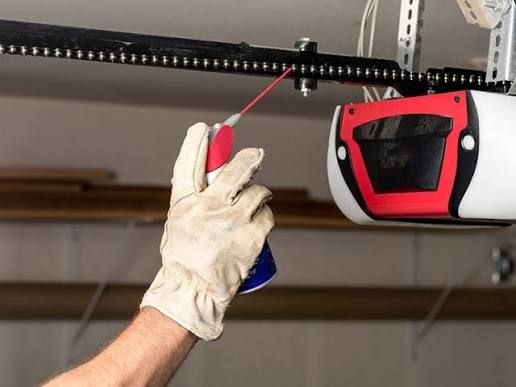
Is your garage door squeaking, sticking, or making frustrating grinding noises every time you open it? You are not alone, and the solution is much simpler (and cheaper) than you might think. Finding out what is the best lubricant for a garage door can save you from costly mechanical repairs and keep your home’s most heavy-duty appliance running smoothly. Let’s dive into the ultimate, expert-backed guide to silencing that noise and protecting your investment.
What Is The Best Lubricant For A Garage Door?
When it comes to maintaining your garage, the short answer is that silicone-based spray and white lithium grease are the absolute best choices. These two options are universally recommended by garage door technicians because they are specifically formulated to withstand the unique demands of garage door mechanisms.
Unlike standard household oils, these specialized lubricants do not attract excessive dust or dirt, which is a common culprit behind premature wear. They also remain stable across extreme temperature fluctuations, ensuring your door operates smoothly whether it is freezing in January or sweltering in July. Choosing the right product is the first step toward effortless, silent operation.
Types of Garage Door Lubricants: Pros and Cons
Not all lubricants are created equal. To help you make an informed decision, here is a detailed comparison of the most common options available on the market.
| Lubricant Type | Best Used For | Pros | Cons |
|---|---|---|---|
| Silicone-Based Spray | Rollers, hinges, plastic parts, and rubber seals. | Clean application, does not attract dirt, safe for all materials, repels water. | Can drip if over-applied; may require more frequent reapplication than grease. |
| White Lithium Grease | Metal torsion springs, heavy-duty metal hinges, and bearings. | Long-lasting, heavy-duty protection, excellent adhesion to metal surfaces. | Messier to apply, can attract grime if overused, not recommended for plastic. |
| Standard WD-40 | Nothing (for long-term lubrication). | Good for cleaning rust and displacing moisture temporarily. | Not a true lubricant. It evaporates quickly and leaves parts dry and vulnerable a1garage.com. |
| Heavy Motor Oil | Avoid completely. | Readily available in most garages. | Attracts massive amounts of dust and dirt, creating a thick, abrasive sludge. |
Expert Tip: For a comprehensive maintenance routine, many professionals recommend using both. Use white lithium grease for the heavy metal springs and silicone spray for the rollers and hinges.
Why Proper Garage Door Lubrication Matters
A garage door is the largest moving object in your home, and its components are under constant tension and friction. According to industry experts, neglecting proper garage door lubrication can result in stiff or stuck doors, which puts severe strain on the opener’s motor and arm bars
sunshinecoastgaragedoorrepairs.com.au.
Furthermore, routine maintenance is not just about noise reduction; it is about longevity. For most residential garage doors, lubrication should be applied every six months to maintain optimal performance and prevent premature part failure
qualityoverheaddoor.com.
From a scientific perspective, according to Wikipedia, lubrication is the process or technique of using a lubricant to reduce friction and wear and tear in a contact between two surfaces
en.wikipedia.org. By minimizing this friction, you directly reduce heat buildup and metal fatigue, saving you hundreds of dollars in potential spring or opener replacements.
Step-by-Step Guide: How to Lubricate Your Garage Door
Ready to silence that squeak? Follow this concrete, step-by-step tutorial to lubricate your garage door like a professional.
Tools Needed:
- A can of silicone-based spray lubricant
- A tube or spray can of white lithium grease
- A clean microfiber cloth
- A sturdy step ladder
The Process:
- Clean the Components First: Before applying any new lubricant, wipe down the rollers, hinges, and springs with a damp microfiber cloth to remove old grime and dust. Never apply new lubricant over thick, old dirt.
- Lubricate the Rollers and Hinges: Hold the silicone spray nozzle about 2–3 inches away from the metal hinge pivot points and roller bearings. Apply 2 to 3 short bursts per hinge. Avoid spraying the garage door tracks, as lubricant on the tracks will attract dirt and cause the rollers to slip.
- Coat the Springs: For metal torsion springs (the large spring above the door), apply a thin, even coat of white lithium grease along the entire length of the spring. If you have extension springs (on the sides), apply the grease carefully to the coils and the pulley bearings.
- Check the Bearings and Locks: Apply a single, short burst of silicone spray to the center bearing plate and any manual locking mechanisms.
- Distribute the Lubricant: Operate the garage door by opening and closing it 2 to 3 times. This crucial step ensures the lubricant penetrates deep into the bearings and moving parts.
- Wipe Away Excess: Use your clean microfiber cloth to wipe away any drips or overspray on the door panels or floor. More is not better; a thin, even coat is all you need.
Common Mistakes to Avoid
Even with the best intentions, homeowners often make a few critical errors during garage door maintenance.
- Lubricating the Tracks: The vertical and horizontal metal tracks should never be lubricated. They are designed to be dry so the rubber or steel rollers can grip them properly.
- Using WD-40 as a Lubricant: While it can temporarily stop squeaks and remove rust, standard WD-40 is primarily a cleaner and water displacer, not a long-term lubricant a1garage.com. It will eventually dry out and leave your door worse than before.
- Over-Lubricating: Dripping lubricant will stain your concrete floor and attract a black, abrasive paste of dust and grime. Always wipe away the excess.
Frequently Asked Questions (FAQ)
Q1: Can I use regular WD-40 to lubricate my garage door?
A: No. Standard WD-40 is a solvent and water displacer, not a dedicated lubricant. While it might quiet a squeak for a few days, it will evaporate and leave the metal parts dry, ultimately accelerating wear and tear
a1garage.com. Always opt for silicone spray or white lithium grease.
Q2: How often should I lubricate my garage door?
A: For average households, it is highly recommended to lubricate your garage door every six months
www.daytondoorsales.com. If you live in an area with extreme weather conditions, high dust, or heavy daily usage, you may want to check and reapply every 3 to 4 months.
Q3: What is the best lubricant for garage door springs?
A: White lithium grease is the best lubricant for metal garage door springs
www.nygates.com. Its thick, adhesive properties ensure it stays on the tightly wound coils under high tension, providing long-lasting protection against rust and friction.
Q4: Can I use silicone spray on plastic garage door parts?
A: Yes, absolutely. Silicone-based spray lubricants are great for plastic, metal, and rubber surfaces
ohdpugetsound.com. If your garage door uses nylon or composite plastic rollers, silicone spray is the safest and most effective choice, as petroleum-based greases can degrade certain plastics over time.
Q5: Do I need to lubricate the garage door tracks?
A: No. You should never lubricate the inside of the garage door tracks. Lubricant on the tracks will attract dirt and debris, creating a gritty sludge that can impede the rollers and cause the door to operate unevenly or jerkily.
Conclusion
Knowing what is the best lubricant for a garage door is a small piece of knowledge that yields massive returns. By choosing a high-quality silicone-based spray or white lithium grease, you actively prevent wear, eliminate annoying squeaks, and significantly extend the lifespan of your garage door system. Remember to avoid common pitfalls like using standard WD-40 or lubricating the tracks, and stick to a simple biannual maintenance schedule.
A well-maintained garage door is a safe, quiet, and reliable door. Found this guide helpful? Share it with your neighbors, friends, or on your favorite social media platforms to help others keep their homes running smoothly and silently!
Leave a Reply