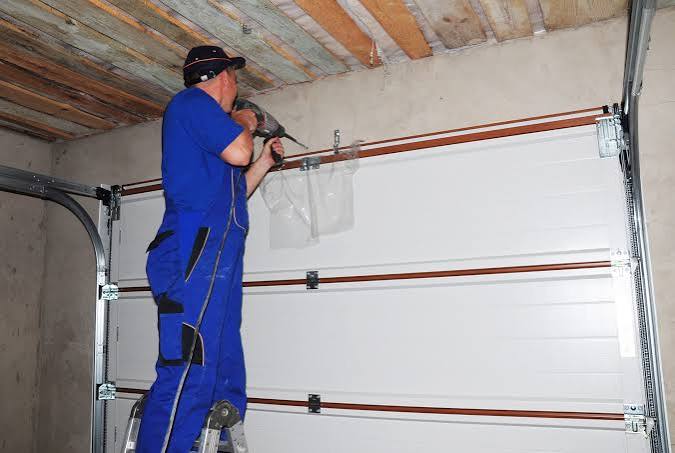
Replacing an old, noisy, or broken garage door is one of those home improvement projects that can significantly boost your curb appeal and security. However, before you start browsing styles, you likely have one pressing question: what is the average cost to install a garage door? Understanding the financial commitment helps you budget effectively and avoid unexpected surprises during the renovation process.
In this comprehensive guide, we will break down the costs associated with garage door installation in 2026. From material choices to labor fees, we provide the data you need to make an informed decision for your home.
Understanding the National Average Costs
When planning your budget, it is essential to look at the broader market trends. According to recent industry data, the national average cost to install a new garage door ranges between $800 and $1,500 for standard single-car doors. For double-car garage doors, which are common in modern suburban homes, the average cost typically falls between $1,200 and $2,500.
However, these figures are just averages. The final price tag depends heavily on several variables, including the type of door, the material used, and the complexity of the installation. High-end custom doors with smart technology integration can easily exceed $4,000, while basic steel models might be installed for under $700 if you opt for DIY-friendly options.
| Door Type | Average Material Cost | Average Installation Cost | Total Estimated Cost |
|---|---|---|---|
| Single-Panel Steel | $300 – $600 | $300 – $500 | $600 – $1,100 |
| Sectional Steel | $500 – $900 | $400 – $600 | $900 – $1,500 |
| Aluminum/Glass | $800 – $1,500 | $500 – $800 | $1,300 – $2,300 |
| Wood Composite | $1,000 – $2,000 | $600 – $900 | $1,600 – $2,900 |
| Custom Wood | $2,000+ | $800+ | $2,800+ |
Note: Prices include standard hardware and basic insulation. Luxury features increase costs.
How Does Material Choice Impact Price?
The material of your garage door is the single biggest factor influencing the final cost. Each material offers different benefits regarding durability, maintenance, and aesthetics.
Steel Doors
Steel is the most popular choice for American homeowners due to its affordability and durability. Modern steel doors are resistant to denting and rust, especially when coated with galvanized layers. They are also low-maintenance, requiring only occasional washing. Because they are mass-produced, steel doors offer the best value for money, making them ideal for budget-conscious renovations.
Wood and Wood Composite
For a classic, high-end look, nothing beats real wood. Cedar, redwood, and mahogany are common choices. However, wood requires significant maintenance, including regular staining or painting to prevent warping and rotting. Wood composite doors mimic the look of real wood but are made from engineered materials that are more resistant to weather changes. While beautiful, these options are significantly more expensive, often costing two to three times more than steel.
Aluminum and Glass
Aluminum doors are lightweight and resistant to corrosion, making them perfect for coastal areas where salt air can damage other metals. When combined with glass panels, they create a modern, industrial aesthetic that allows natural light into the garage. These doors are mid-to-high range in price and are favored for contemporary home designs.
Vinyl
Vinyl is a newer entrant in the market, known for being incredibly durable and resistant to dents. It does not rust or rot and requires almost no maintenance. While the upfront cost is higher than basic steel, the long-term savings on maintenance can make it a wise investment.
Labor Costs: Why Professional Installation Matters
You might be tempted to save money by installing the door yourself, but professional installation is highly recommended. Garage doors are heavy, and the springs involved are under extreme tension. Improper handling can lead to serious injury or property damage.
Professional labor costs typically range from $300 to $600 for a standard installation. This fee includes:
- Removal and disposal of the old door.
- Installation of new tracks, hinges, and rollers.
- Calibration of springs and openers.
- Safety testing and balance adjustment.
Hiring a licensed professional ensures that the door operates smoothly and safely. Moreover, many manufacturers void their warranties if the door is not installed by a certified technician. Always verify that your installer is insured and has positive reviews on platforms like the Better Business Bureau.
Additional Factors That Influence Cost
Beyond the door itself and labor, several additional factors can affect your total bill. Being aware of these helps you prepare a more accurate budget.
Insulation and Energy Efficiency
If your garage is attached to your home, insulating the door can help regulate temperature and reduce energy bills. Insulated doors have a polyurethane or polystyrene core. The level of insulation is measured by the R-value. Higher R-values mean better insulation but also higher costs. Expect to pay an additional $200 to $500 for high-quality insulation.
Windows and Decorative Hardware
Adding windows to your garage door can brighten the space and enhance curb appeal. However, each window adds to the cost, typically $50 to $100 per panel. Decorative hardware, such as faux hinges and handles, can also add a custom touch for an extra $100 to $300.
Smart Garage Door Openers
Modern homeowners increasingly prefer smart openers that connect to Wi-Fi, allowing you to control the door via smartphone apps. These systems offer convenience and enhanced security. A smart opener unit costs between $200 and $400, plus installation fees if not included in the package.
Structural Modifications
If your existing garage opening is not standard size, or if the framing needs repair, you will incur additional costs. Reinforcing the header or adjusting the track alignment can add $100 to $500 to the project. Always have a professional assess the structural integrity of your garage before purchasing a new door.
Step-by-Step Guide to Budgeting for Your New Door
To ensure you stay within budget, follow these practical steps:
- Measure Your Opening: Accurately measure the width and height of your current garage door opening. Standard sizes are 8×7 feet for single cars and 16×7 feet for double cars.
- Choose Your Material: Decide on the material based on your climate, budget, and aesthetic preferences. Steel is best for value; wood for luxury.
- Get Multiple Quotes: Contact at least three local garage door companies. Ask for detailed quotes that break down material, labor, and additional fees.
- Check for Rebates: Some energy-efficient insulated doors qualify for local utility rebates or tax credits. Check Energy Star for eligible products.
- Schedule Installation: Once you select a provider, schedule the installation. Ensure they handle the disposal of your old door.
Frequently Asked Questions (FAQ)
Q1: How long does it take to install a new garage door?
A typical professional installation takes between 4 to 6 hours for a standard single or double-car door. If structural repairs are needed or if it is a custom-sized door, the process may take longer, potentially up to a full day.
Q2: Can I install a garage door myself to save money?
While it is technically possible, it is not recommended for most homeowners. Garage door springs are under high tension and can cause severe injury if mishandled. Professional installation ensures safety, proper alignment, and warranty validity. The cost savings are rarely worth the risk.
Q3: How often should I replace my garage door?
Most garage doors last between 15 to 30 years, depending on the material and maintenance. Steel doors tend to last longer than wood. If your door is making unusual noises, moving unevenly, or showing signs of rust and warping, it may be time for a replacement.
Q4: Does a new garage door increase home value?
Yes, replacing a garage door is one of the highest ROI (Return on Investment) home improvement projects. According to recent real estate studies, it can recoup up to 90% of its cost in added home value. It significantly improves curb appeal, which is crucial for potential buyers.
Q5: What is the cheapest way to replace a garage door?
The most cost-effective option is a basic single-panel or sectional steel door without windows or insulation. Choosing a standard size that fits your existing opening avoids structural modification costs. Additionally, getting multiple quotes and scheduling installation during off-peak seasons (like late fall or winter) can sometimes yield discounts.
Q6: Do I need a permit to install a new garage door?
In most jurisdictions, replacing an existing garage door with a similar model does not require a permit. However, if you are changing the size of the opening or making structural changes, a permit may be necessary. Always check with your local building department to ensure compliance with local codes.
Conclusion
Knowing what is the average cost to install a garage door empowers you to make smart financial decisions for your home. While the average ranges from $800 to $2,500, your specific costs will depend on material, insulation, and labor choices. Investing in a quality door not only enhances security and energy efficiency but also boosts your home’s curb appeal and market value.
Don’t let uncertainty hold you back. Take the time to compare materials, get professional quotes, and choose a solution that fits your lifestyle and budget. If you found this guide helpful, please share it with friends or family who are considering similar home improvements. Your next step toward a safer, more beautiful home starts with informed choices!
Leave a Reply