Upgrading your home’s exterior is exciting, but figuring out the budget can be incredibly stressful. If you are wondering how much does a new 2 car garage door cost, you are not alone, as this is one of the most common questions homeowners face today. Let us break down the exact pricing, material options, and hidden fees so you can make a confident, money-saving decision for your home.
How Much Does A New 2 Car Garage Door Cost on Average?
When budgeting for this project, it is crucial to understand the difference between the door-only price and the fully installed price. On average, the how much does a new 2 car garage door cost question usually yields a range between $800 and $3,500 for the door unit itself.
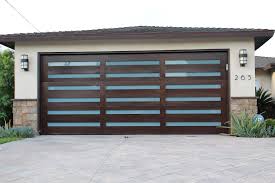
However, once you factor in professional installation, tracks, hardware, and disposal of the old door, the total project cost typically ranges from $1,200 to $5,000.
According to the annual Cost vs. Value Report by Remodeling Magazine, replacing a mid-range garage door yields an impressive 93% return on investment (ROI). This means that while it is a significant upfront expense, it drastically boosts your property’s curb appeal and resale value.
What Factors Affect the Price of a Double Garage Door?
Several variables will push your final price toward the lower or higher end of the spectrum. Here are the primary factors to consider:
- Insulation (R-Value): Non-insulated doors are the cheapest. However, if your garage is attached to your house, upgrading to an insulated door (R-value between 12 and 18) can save you money on energy bills.
- Design and Windows: Adding custom windows, decorative hardware, or modern flush panels will increase the manufacturing cost.
- Smart Features: Integrating a Wi-Fi-enabled smart opener allows you to control the door via your smartphone, adding about $200 to $400 to the total.
- Custom Sizes: If your home requires a non-standard width or an extra-tall (8 to 10 feet) clearance for an RV or lift, expect to pay a 20% to 30% premium.
How Do Different Materials Impact the Overall Cost?
The material you choose dictates not only the price but also the durability and maintenance requirements of your door. To understand the historical evolution and basic mechanics of these structures, you can explore the general garage door history and design principles on Wikipedia.
Here is a quick comparison to help you choose the best fit for your climate and budget:
| Material | Average Cost (Door Only) | Pros | Cons |
|---|---|---|---|
| Steel | $800 – $2,500 | Highly durable, low maintenance, excellent insulation options. | Can dent from impacts; prone to rust if the paint chips. |
| Wood | $2,000 – $5,000+ | Stunning natural beauty, highly customizable, premium look. | Requires frequent staining/sealing; heavy and expensive. |
| Aluminum | $1,500 – $3,500 | Rust-proof, modern aesthetic, great for large glass panels. | Poor insulator; dents easily; not ideal for extreme weather. |
| Fiberglass | $1,000 – $2,200 | Resists salt corrosion (great for coastal homes), mimics wood. | Can become brittle and crack in extremely cold climates. |
Pro Tip: For most US homeowners, steel offers the best balance of affordability, durability, and energy efficiency.
What Are the Extra Installation and Labor Costs?
Never overlook the labor costs when budgeting. Professional installation ensures your door operates safely and smoothly. Here is a breakdown of typical ancillary costs:
- Standard Labor & Installation: $200 to $500. This includes hanging the door, balancing the springs, and testing the safety sensors.
- Old Door Removal & Disposal: $50 to $100. Many companies include this for free if you buy the new door through them.
- New Track & Hardware: $150 to $300. Never reuse old tracks with a new door, as they wear down together and mismatched tracks cause premature failure.
- New Garage Door Opener: $250 to $600. If your current opener is over 10 years old, replacing it simultaneously is highly recommended.
Step-by-Step Guide to Preparing for Installation
While you should always hire a licensed professional to hang the door (due to the extreme danger of high-tension springs), you can prepare your garage to save time and money. Follow these concrete steps:
- Measure the Opening Accurately: Use a steel tape measure to check the width and height. A standard 2-car opening is exactly 16 feet (192 inches) wide and 7 feet (84 inches) high. Check the “backroom” (distance from the opening to the back wall), which should be at least equal to the door’s height plus 18 inches.
- Clear the Workspace: Move all vehicles, bicycles, and tools out of the garage. The installers will need a minimum of 3 feet of clear space around the entire perimeter of the door opening.
- Inspect the Wooden Framing: Check the wooden jambs (the frame around the opening) for rot or termite damage. If the wood is compromised, the new door cannot be sealed properly. Replace any rotted wood before the installers arrive.
- Check the Electrical Outlet: Ensure there is a grounded, 3-prong electrical outlet near the ceiling center of the garage for the new motor opener.
Frequently Asked Questions (FAQ)
1. What is the standard size for a 2-car garage door?
The most common standard size for a double garage door in the US is 16 feet wide by 7 feet high. However, modern homes with larger SUVs or trucks often opt for an 16-foot by 8-foot door to provide extra vertical clearance.
2. Does replacing a garage door increase home value?
Absolutely. Because the garage door makes up a massive portion of your home’s front facade, replacing an old, dented door with a new one yields one of the highest returns on investment in home remodeling, often recouping over 90% of the cost at resale.
3. Should I replace the tracks when installing a new door?
Yes, 100%. Tracks are specifically manufactured to match the exact thickness and weight of the door panels they accompany. Mixing old tracks with a new door is a major safety hazard and will void your manufacturer’s warranty.
4. How long does a 2-car garage door installation take?
For a professional crew of two installers, removing the old door and installing a standard 16×7 steel door typically takes 3 to 5 hours. If new tracks, framing repairs, or a new opener are required, it may take a full day.
5. Is an insulated garage door worth the extra cost?
If your garage is attached to your home, or if you use your garage as a workspace, yes. An insulated door regulates the temperature inside the garage, prevents the door from sounding incredibly loud when closing, and adds structural rigidity to the panels.
Conclusion
Understanding how much does a new 2 car garage door cost empowers you to avoid overpaying while ensuring you get a product that enhances your home’s security and beauty. Whether you choose a budget-friendly steel model or a premium wood design, the investment pays off through daily convenience and a massive boost to your curb appeal. Always prioritize professional installation to ensure the safety and longevity of your new door.
Found this guide helpful? Please share this article on your Facebook, Pinterest, or X (Twitter) feeds to help your friends and family budget confidently for their next home improvement project!
Leave a Reply