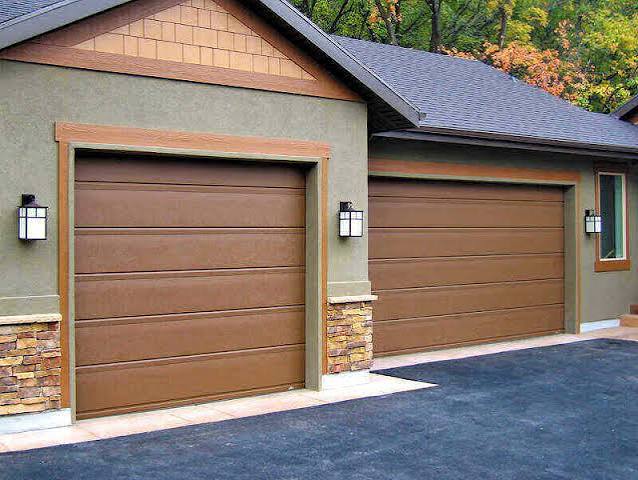
Replacing a broken or outdated garage door is often an unexpected expense that can disrupt your daily routine and strain your budget. You might be dealing with a door that won’t close properly, makes alarming noises, or simply looks worn out after years of weather exposure. Understanding what is the average cost of a garage door replacement is the first step toward making an informed decision that balances quality, aesthetics, and affordability for your home.
In this comprehensive guide, we will break down the current market rates, explore the factors that influence pricing, and provide actionable advice to help you navigate this significant home improvement project without overspending.
Breaking Down the Costs: What Do You Actually Pay?
When homeowners ask about replacement costs, they are often surprised by the range of prices available. In 2026, the national average for a standard single-car garage door replacement typically falls between $1,200 and $2,500, including both materials and professional installation. For double-car doors, which are more common in suburban US homes, the average cost ranges from $2,000 to $4,500.
However, these figures are just averages. Your final bill can vary significantly based on several critical variables. It is essential to understand that the price tag includes two main components: the door unit itself and the labor required to install it. Labor costs usually account for 30% to 50% of the total project cost, depending on your location and the complexity of the installation.
| Door Type | Material Cost Range | Installation Cost Range | Total Estimated Cost |
|---|---|---|---|
| Single-Panel Steel | $300 – $800 | $400 – $700 | $700 – $1,500 |
| Sectional Steel (Standard) | $600 – $1,200 | $500 – $900 | $1,100 – $2,100 |
| Insulated Steel | $900 – $1,800 | $600 – $1,000 | $1,500 – $2,800 |
| Wood Composite | $1,500 – $3,000 | $700 – $1,200 | $2,200 – $4,200 |
| Custom Wood/Glass | $2,500+ | $1,000+ | $3,500 – $6,000+ |
Note: Prices are estimates for 2026 and may vary by region and contractor.
How Does Material Choice Impact the Price?
The material you choose is the single biggest factor determining the upfront cost of your new garage door. Each material offers different benefits in terms of durability, maintenance, and aesthetic appeal.
Steel doors remain the most popular choice in the United States due to their affordability and low maintenance. They are resistant to warping and cracking, making them ideal for various climates. However, cheaper steel models may dent easily, so look for thicker gauge steel if you live in an area prone to hail or heavy debris.
Wood and wood-composite doors offer a classic, high-end look that can significantly boost curb appeal. While beautiful, genuine wood requires regular staining and sealing to prevent rot and warping. Wood-composite options mimic the look of real wood but are more durable and require less upkeep, though they come at a higher price point than standard steel.
Aluminum and glass doors are trendy in modern architectural designs, particularly in warmer climates like California and Florida. They are lightweight and rust-resistant but offer less insulation. If energy efficiency is a priority, these may not be the best choice unless paired with high-quality thermal breaks.
For a deeper understanding of material properties and construction standards, you can refer to general building material resources such as Wikipedia’s entry on garage doors, which provides historical context and technical specifications.
Why Does Insulation Matter for Your Wallet?
Many homeowners overlook insulation, viewing it as an optional upgrade. However, choosing an insulated door can have long-term financial benefits. Insulated doors are rated by their R-value, which measures thermal resistance. A higher R-value means better insulation.
If your garage is attached to your home, an insulated door helps regulate the temperature in adjacent rooms, potentially lowering your heating and cooling bills. In extreme weather conditions, this can save you hundreds of dollars annually in energy costs. Additionally, insulated doors are quieter and more durable because the inner layers add structural integrity.
While an insulated door may cost $200 to $500 more upfront than a non-insulated model, the return on investment through energy savings and increased longevity often justifies the expense. Consider your local climate: if you experience hot summers or cold winters, insulation is not just a luxury—it is a practical necessity.
What Are the Hidden Costs of Garage Door Replacement?
Beyond the door and basic installation, several hidden costs can catch homeowners off guard. Being aware of these potential expenses will help you budget more accurately.
- Old Door Removal and Disposal: Some contractors include this in their quote, while others charge an additional fee of $50 to $150 for hauling away the old door. Always clarify this before signing a contract.
- Hardware Upgrades: If your existing springs, cables, or tracks are worn out, they should be replaced during the installation. New high-cycle springs can add $100 to $300 to the bill but prevent future breakdowns.
- Opener Compatibility: If you are installing a smart garage door opener or upgrading to a newer model, expect to pay an additional $200 to $500 for the unit and installation.
- Structural Repairs: Occasionally, the frame around the garage opening may need repair or adjustment to fit the new door properly. This can add $100 to $500 depending on the extent of the damage.
- Permits: In some municipalities, a permit is required for garage door replacement. Check with your local building department, as fees can range from $50 to $200.
DIY vs. Professional Installation: Is It Worth the Savings?
With the rise of online tutorials, many homeowners consider installing a garage door themselves to save money. While the idea of saving $500 to $1,000 in labor costs is appealing, garage door installation is one of the most dangerous DIY projects.
Garage doors are heavy, and the tensioned springs store a significant amount of energy. If handled incorrectly, a spring can snap with enough force to cause serious injury or even death. Professional installers have the specialized tools and training to handle these components safely.
Moreover, most manufacturers void the warranty if the door is not installed by a certified professional. This means if something goes wrong, you could be responsible for the full cost of repairs or replacement. Given the safety risks and potential warranty issues, professional installation is strongly recommended for most homeowners.
Frequently Asked Questions
How long does a garage door replacement take?
A standard professional installation typically takes 3 to 5 hours for a single door. If structural adjustments or additional electrical work for a new opener are needed, it may take a full day.
Can I replace just the garage door panels?
Yes, if only one or two panels are damaged, you can replace them individually. This is much cheaper than replacing the entire door, costing between $150 and $400 per panel. However, finding matching panels for older doors can be challenging.
What is the lifespan of a new garage door?
With proper maintenance, a high-quality steel garage door can last 15 to 30 years. Wood doors may have a shorter lifespan of 10 to 15 years due to susceptibility to weather damage, unless meticulously maintained.
Does a new garage door increase home value?
Absolutely. According to recent real estate data, replacing a garage door is one of the top home improvement projects for return on investment (ROI). It can recoup 70% to 90% of its cost in added home value by improving curb appeal and energy efficiency.
Should I choose a standard size or custom door?
Standard sizes (e.g., 8×7 feet for single, 16×7 feet for double) are significantly cheaper and easier to install. Custom sizes are necessary only if your garage opening is non-standard. Custom doors can cost 20% to 50% more than standard models.
Final Thoughts
Understanding what is the average cost of a garage door replacement empowers you to make a smart investment in your home. While the initial price tag may seem steep, considering factors like material quality, insulation, and professional installation ensures you get a product that lasts for decades. Remember to get multiple quotes, check for hidden fees, and prioritize safety over DIY savings.
By choosing the right door for your needs and budget, you enhance not only the security and efficiency of your home but also its overall aesthetic appeal. If you found this guide helpful, please share it with friends or family who might be facing similar home improvement decisions. Your next step is to contact local reputable contractors for personalized quotes tailored to your specific home requirements.
Leave a Reply