What Is A Good R Value For A Garage Door? Expert Guide
Have you ever stepped into your garage and felt a blast of freezing air in the winter or a wave of suffocating heat in the summer? If your utility bills are creeping up and your home feels drafty, you are probably asking yourself exactly what is a good R value for a garage door to keep your living space comfortable.
What Is A Good R Value For A Garage Door? The Short Answer
To put it simply, the “right” number depends entirely on how you use your garage and whether it is attached to your home. The R-value measures thermal resistance—meaning how well the garage door insulation stops heat from escaping in the winter and entering in the summer.
According to the building science principles outlined on Wikipedia’s R-value (insulation) page, a higher number indicates better insulating properties. However, buying the highest number on the market isn’t always the most cost-effective choice for every homeowner.
Here is the quick rule of thumb for US homeowners:
- Detached Garages: R-0 to R-6 is usually sufficient.
- Attached Garages (Unheated): R-8 to R-12 is the sweet spot.
- Attached Garages (HVAC or Living Space Above): R-14 to R-18+ is highly recommended.
Let’s break down exactly why these numbers matter and how to choose the right one for your specific home setup.
Matching the R-Value to Your Garage Type
Not all garages are created equal. An attached garage shares at least one common wall (and sometimes a ceiling) with your conditioned living space. If that shared wall is poorly protected by a thin, uninsulated metal door, your HVAC system has to work overtime.
Here is a quick comparison table to help you identify your ideal target:
| Garage Type | Recommended R-Value | Primary Goal |
|---|---|---|
| Detached (Storage Only) | R-0 to R-6 | Basic wind and debris protection. |
| Attached (No HVAC) | R-8 to R-12 | Buffer zone to protect the shared house wall. |
| Attached (Workshop/HVAC) | R-14 to R-18 | Maintain stable temperatures for comfort. |
| Garage with Bedroom Above | R-16 to R-18+ | Prevent cold floors in the room above. |
Pro Tip: If you have a laundry room or kitchen sharing a wall with the garage, lean toward the higher end of the R-value spectrum to prevent plumbing freezes and drafty rooms.
Understanding US Climate Zones
Where you live in the United States plays a massive role in your insulation needs. The US Department of Energy divides the country into distinct climate zones.
If you live in Zone 1 or 2 (like Southern Florida or coastal California), extreme temperature swings are rare. An uninsulated or lightly insulated door (R-4 to R-8) might be all you need to keep the harsh sun at bay.
However, if you reside in Zone 5 or higher (like the Midwest or Northeast), winters are brutal. Building science experts consistently recommend a minimum of R-16 for attached garages in these regions. This level of insulation acts as a thermal barrier, ensuring that the freezing outdoor air doesn’t turn your garage into an icebox, which in turn protects the interior walls of your home.
Polystyrene vs. Polyurethane: Which Insulation is Better?
When shopping for an insulated garage door, you will encounter two main types of materials. Understanding the difference is crucial for maximizing your energy efficiency.
1. Polystyrene (Styrofoam Panels)
This material usually comes in rigid sheets that are placed inside the door panels.
- Pros: Generally more affordable and offers decent moisture resistance.
- Cons: Leaves tiny gaps at the edges of the panels, allowing some thermal transfer. It typically maxes out around an R-8 to R-10 rating.
2. Polyurethane (Spray Foam)
This foam is injected directly into the closed door panels, expanding to fill every single crevice.
- Pros: Bonds to the door skin, adding immense structural rigidity and dent resistance. It offers an R-value of up to R-18 or higher despite being relatively thin.
- Cons: Comes at a premium price point compared to polystyrene.
The Verdict: If your budget allows, polyurethane is the superior choice for attached garages due to its complete coverage and higher thermal resistance per inch.
Step-by-Step Guide: Upgrading Your Existing Door
Don’t want to buy a brand-new door? You can retrofit your current non-insulated door using a DIY garage door insulation kit. Follow these precise steps for the best results.
Step 1: Clean and Prep the Surface Dust and grease will prevent insulation from sticking. Mix 2 ounces of mild dish detergent into 1 gallon of warm water (ideally between 70°F and 80°F). Scrub the interior panels thoroughly and let them dry completely for at least 2 hours.
Step 2: Measure and Cut the Materials Most kits use vinyl-backed fiberglass or rigid foam boards. Measure each door panel individually, as they can vary in size by up to 1/4 inch. If using rigid foam, use a sharp utility knife to score the board, maintaining a strict 45-degree angle for clean, gap-free edges.
Step 3: Apply the Adhesive Do not use standard construction glue, as it can melt certain foams. Use the double-sided tape or specific spray adhesive provided in your kit. Apply the adhesive in a continuous zig-zag pattern, ensuring the ambient garage temperature is above 60°F for proper chemical bonding.
Step 4: Seal the Perimeter Insulation is useless if wind blows right past it. Install a 1/4-inch thick rubber bottom seal and apply vinyl weatherstripping to the side jambs. This creates an airtight envelope, maximizing the R-value you just installed.
Frequently Asked Questions (FAQ)
Is a higher R-value always better for a garage door?
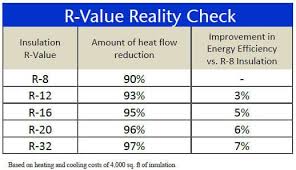
Not necessarily. While a higher R-value provides better insulation, the law of diminishing returns applies. Upgrading from R-0 to R-10 makes a massive, noticeable difference in temperature and noise reduction. However, jumping from R-16 to R-20 yields very minimal energy savings and usually isn’t worth the extra financial investment unless you live in extreme northern climates.
Can I add insulation to my existing garage door?
Yes, you can purchase aftermarket garage door insulation kits at most hardware stores. These kits usually include polystyrene panels or reflective foil barriers. While they won’t perform quite as well as a factory-injected polyurethane door, they can boost your door’s thermal resistance by roughly R-4 to R-8, making a noticeable difference in comfort.
Does an insulated garage door really save money on energy bills?
Absolutely, especially if your garage is attached to your house. An uninsulated door can cause the shared wall between your garage and living room to drop by 10 to 15 degrees in the winter. By installing a door with a good R-value, your HVAC system doesn’t have to work as hard to heat or cool the adjacent rooms, leading to lower monthly utility bills.
What is the highest R-value available for a garage door?
Currently, premium triple-layer steel garage doors featuring thick polyurethane cores can achieve an R-value of R-18 to R-20. Some specialized custom doors can push slightly past R-20, but these are typically reserved for highly specialized workshops or detached living spaces (like an ADU above the garage).
Does insulation make the garage door quieter?
Yes! This is an often-overlooked benefit. An uninsulated, single-layer steel door can be incredibly loud, rattling on its tracks every time it opens or closes. The dense polyurethane foam acts as a sound dampener, absorbing vibrations and making the door’s operation significantly quieter—a huge bonus if you have a bedroom near the garage.
Kesimpulan
Finding the perfect insulation for your home doesn’t have to be a guessing game. As we’ve explored, understanding what is a good R value for a garage door ultimately comes down to your specific home layout, local climate, and how you utilize the space. Whether you need a basic R-6 for a detached storage shed or a robust R-18 polyurethane door for an attached workshop, choosing the right thermal barrier protects your home, lowers your energy bills, and creates a vastly more comfortable environment.
Leave a Reply