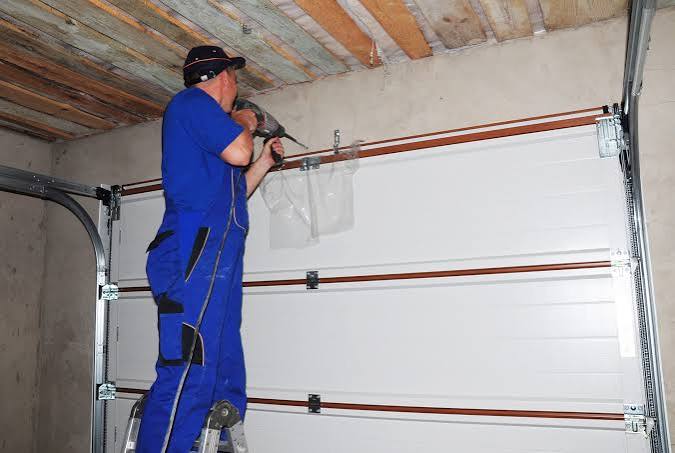
Have you ever stood in your driveway, looked at your aging or broken garage door, and wondered if repairing it is worth the hassle? You are not alone. Many homeowners face this dilemma when their current door becomes noisy, inefficient, or simply unsightly. Understanding what does it cost to install a garage door is the first step toward making a smart investment that enhances both your home’s security and curb appeal.
In this comprehensive guide, we will break down every expense involved, from the door itself to labor and additional features, ensuring you have all the information needed to budget effectively for your project.
Understanding the Average Cost of Installation
When planning your budget, it is essential to look at the national averages while recognizing that local factors can cause significant variations. In 2026, the typical cost to install a new garage door ranges between $1,200 and $4,500, with most homeowners spending around $2,800 for a standard single-car door with professional installation.
However, this figure is just a starting point. The final price tag depends heavily on the type of door you choose, the complexity of the installation, and whether you are replacing an existing door or installing one in a new opening. For a basic steel door, you might pay on the lower end, while custom wood doors with high-end insulation can easily exceed $5,000.
| Door Type | Average Material Cost | Estimated Total Installed Cost |
|---|---|---|
| Steel (Single Layer) | $300 – $800 | $1,200 – $1,800 |
| Steel (Insulated) | $800 – $1,500 | $1,800 – $2,800 |
| Aluminum | $1,000 – $2,000 | $2,000 – $3,500 |
| Wood Composite | $1,500 – $3,000 | $3,000 – $5,000+ |
| Custom Wood | $2,500 – $5,000+ | $5,000 – $10,000+ |
Note: Prices include standard labor and hardware. Complex installations may incur additional fees.
What Factors Influence the Final Price?
Several key elements contribute to the total bill. Understanding these will help you identify where you can save money and where you should invest for long-term value.
1. Material and Style
The material is the biggest cost driver. Steel is the most popular choice due to its durability and affordability. It requires minimal maintenance and comes in various styles. Wood offers unparalleled aesthetic appeal but requires regular staining or painting to prevent warping and rot. Aluminum is lightweight and resistant to rust, making it ideal for coastal areas, though it dents more easily than steel.
2. Insulation and Energy Efficiency
If your garage is attached to your home or used as a workspace, insulation is crucial. Insulated doors use polyurethane or polystyrene foam cores to regulate temperature. While they cost 20–30% more than non-insulated models, they can significantly reduce energy bills and provide better soundproofing. Look for the R-value; a higher R-value means better thermal resistance.
3. Size and Configuration
Standard single-car doors (8×7 feet or 9×7 feet) are the most affordable. Double-car doors (16×7 feet) require more material and heavier-duty springs, increasing the cost. Custom sizes, such as extra-wide or extra-high doors for RVs, will also command a premium price due to specialized manufacturing and handling requirements.
4. Labor and Complexity
Professional installation typically costs between $300 and $800. This fee covers the removal of the old door, disposal, assembly of the new door, and installation of tracks, springs, and openers. If your existing framing needs repair or modification, expect to pay extra for carpentry work.
DIY vs. Professional Installation: Which Is Right for You?
One of the most common questions homeowners ask is whether they can save money by installing the door themselves. While DIY kits are available, garage door installation is not recommended for beginners.
Risks of DIY Installation
- Safety Hazards: Garage doors are heavy, and the torsion springs are under extreme tension. Incorrect handling can lead to severe injury or property damage.
- Warranty Voidance: Most manufacturers void the warranty if the door is not installed by a certified professional.
- Code Compliance: Professionals ensure the installation meets local building codes and safety standards, which is critical for insurance purposes.
Benefits of Hiring a Pro
- Expertise: Certified installers can quickly diagnose and resolve issues with tracks, alignment, and electrical components.
- Time-Saving: A professional team can complete the job in 4–6 hours, whereas a DIY attempt could take days.
- Peace of Mind: You get a warranty on both parts and labor, protecting your investment.
For more detailed safety guidelines and technical specifications, you can refer to the U.S. Consumer Product Safety Commission resources on garage door safety.
Additional Costs to Consider
Beyond the door and basic labor, there are several optional upgrades and necessary additions that can affect your budget.
Garage Door Opener
If you do not already have an opener, or if your current one is outdated, you will need to purchase a new one. Basic chain-drive openers start at $150, while quiet belt-drive models with smart home integration can cost $300–$500. Installation of the opener usually adds $100–$200 to the labor cost.
Hardware and Accessories
- Springs: Torsion springs last longer than extension springs but are more expensive. Expect to pay $50–$100 per spring.
- Windows: Adding windows to your door enhances natural light but can add $100–$300 to the cost.
- Locks and Handles: Decorative hardware can range from $20 to $100.
Disposal Fees
Removing and disposing of your old garage door may incur a fee of $50–$100, depending on your location and the installer’s policy. Some companies include this in their base price, so always ask upfront.
How to Save Money on Your Garage Door Installation
While quality matters, there are legitimate ways to reduce costs without compromising safety or performance.
- Choose Standard Sizes: Stick to standard dimensions to avoid custom fabrication fees.
- Opt for Steel: Steel doors offer the best balance of cost, durability, and low maintenance.
- Get Multiple Quotes: Obtain at least three quotes from licensed contractors. Compare not just the price, but also the warranty terms and included services.
- Schedule Off-Season: Installations during late fall or winter may be cheaper as demand is lower.
- Keep Existing Opener: If your current opener is compatible and in good working condition, you can reuse it to save on equipment and labor costs.
FAQ Section
Q: How long does it take to install a new garage door?
A: A professional installation typically takes 4 to 6 hours for a standard door. This includes removing the old door, assembling the new sections, installing tracks and springs, and testing the system. Complex installations or custom doors may take longer.
Q: Do I need a permit to install a garage door?
A: In most jurisdictions, replacing an existing garage door with a similar model does not require a permit. However, if you are creating a new opening or changing the structural framing, a permit is usually required. Always check with your local building department to ensure compliance.
Q: What is the lifespan of a garage door?
A: With proper maintenance, a steel garage door can last 15–30 years. Wood doors may last 10–20 years depending on climate and upkeep. Springs and rollers typically need replacement every 7–10 years.
Q: Can I install a garage door opener myself?
A: While installing an opener is easier than installing the door itself, it still involves electrical work and precise alignment. If you are comfortable with basic tools and electrical safety, it is possible. However, hiring a professional ensures correct setup of safety sensors and force limits.
Q: Why is my garage door making noise after installation?
A: New doors should operate quietly. Noise could indicate loose hardware, lack of lubrication, or misaligned tracks. Contact your installer immediately to address these issues, as they may be covered under your warranty.
Conclusion
Knowing what does it cost to install a garage door empowers you to make informed decisions that balance budget, aesthetics, and functionality. By understanding the factors that influence price—from material choice to labor complexity—you can avoid unexpected expenses and choose a solution that fits your home perfectly.
Remember, a garage door is not just a functional entryway; it is a significant component of your home’s exterior design and security. Investing in quality installation now will save you money on repairs and energy costs in the future.
If you found this guide helpful, please share it with friends or family who are considering a garage door upgrade. Your insights could help them save time and money on their next home improvement project!
Leave a Reply