Have you ever noticed your garage door making strange noises or moving slower than usual? It is easy to ignore these small signs until the door stops working entirely, leaving you stuck or unable to secure your home. Understanding what does a garage door tune up consist of can help you prevent costly repairs and ensure your family’s safety.
A regular tune-up is not just about oiling hinges; it is a comprehensive health check for one of the largest moving parts of your house. In this guide, we will break down exactly what happens during a professional service, what you can do yourself, and why this maintenance matters.
The Core Components of a Professional Garage Door Tune-Up
When a technician arrives for a tune-up, they are not just looking at the surface. They are inspecting the entire system, which includes springs, cables, rollers, tracks, and the opener. According to industry standards, a thorough tune-up should cover mechanical, electrical, and safety components.
1. Inspection of Springs and Cables
The springs are the most critical and dangerous part of your garage door system. They bear the weight of the door every time it opens and closes.
- Torsion Springs: Located above the door, these are checked for signs of wear, rust, or gaps in the coils.
- Extension Springs: Found on either side of the track, these are inspected for stretching or damage.
- Cables: Technicians look for fraying, rust, or loose strands. A broken cable can cause the door to crash down unexpectedly.
Safety Note: Never attempt to adjust or replace springs yourself. They are under extreme tension and can cause serious injury if handled incorrectly. Always hire a certified professional for spring-related issues.
2. Roller and Track Alignment
If your door sounds like a train passing through your garage, the issue is likely with the rollers or tracks.
- Rollers: Nylon rollers are quieter than steel but can crack over time. Steel rollers are durable but noisy. During a tune-up, worn rollers are replaced to ensure smooth movement.
- Tracks: The metal tracks must be perfectly aligned. Even a slight bend can cause the door to jerk or get stuck. Technicians use a level to check vertical and horizontal alignment and tighten any loose brackets.
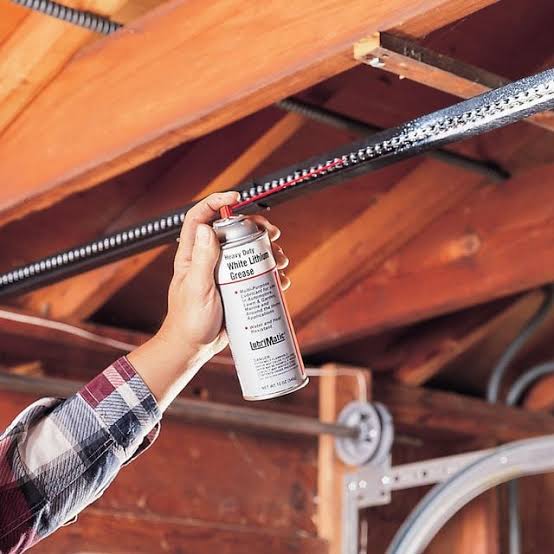
3. Lubrication of Moving Parts
Friction is the enemy of your garage door. Proper lubrication reduces wear and tear, minimizes noise, and extends the lifespan of components.
A professional will apply a silicone-based or lithium-based lubricant to:
- Hinges
- Rollers
- Springs (lightly)
- Locks and latches
Avoid using WD-40 as a long-term lubricant. While it cleans well, it attracts dust and dries out quickly, leading to more friction over time.
4. Opener Mechanism Check
The garage door opener is the brain of the system. During a tune-up, the technician will:
- Test the motor’s performance.
- Inspect the drive chain or belt for tension and wear.
- Check the gear assembly for stripping or damage.
- Verify that the remote controls and wall switches are functioning correctly.
For more detailed information on how garage door openers work, you can refer to this Wikipedia article on garage door openers.
Safety Tests: The Most Critical Part of a Tune-Up
Many homeowners overlook safety features, but they are vital for preventing accidents, especially if you have children or pets. A proper tune-up always includes rigorous safety testing.
Auto-Reverse Mechanism Test
Modern garage doors are required to have an auto-reverse feature. This ensures the door stops and reverses if it hits an object while closing.
How it is tested:
- The technician places a 2×4 piece of wood on the floor under the center of the door.
- The door is closed using the wall button.
- Upon contact with the wood, the door should immediately stop and reverse direction.
If the door does not reverse, the sensitivity settings need adjustment, or the mechanism may be faulty.
Photo-Eye Sensor Alignment
Photo-eye sensors are located near the bottom of the tracks on both sides. They create an invisible beam across the garage entrance.
- Alignment Check: The technician ensures both sensors are facing each other directly. Misalignment can cause the door to refuse to close.
- Cleaning: Dust and spider webs can block the beam. Sensors are cleaned to ensure clear visibility.
- Function Test: Waving an object under the sensor while the door is closing should trigger the auto-reverse feature.
Step-by-Step: What Happens During a DIY Mini-Tune Up?
While major repairs require a professional, you can perform basic maintenance to keep your door in good shape between professional visits. Here is a simple checklist:
- Visual Inspection: Look for rust, cracks, or loose hardware on hinges and brackets. Tighten any loose bolts with a socket wrench.
- Clean the Tracks: Use a damp cloth to wipe dirt and debris from the inside of the tracks. Avoid using harsh chemicals that might damage the metal.
- Lubricate Hinges and Rollers: Apply a small amount of silicone spray to each hinge pin and roller bearing. Wipe away excess lubricant to prevent dripping.
- Test Balance: Disconnect the opener by pulling the release cord. Manually lift the door halfway. If it stays in place, it is balanced. If it falls or rises, the springs are unbalanced, and you need a professional.
- Check Weather Stripping: Inspect the rubber seal at the bottom of the door. Replace it if it is cracked or torn to keep out drafts and pests.
Cost vs. Value: Is a Tune-Up Worth It?
Many homeowners wonder if paying for a tune-up is necessary. Let’s look at the numbers.
| Service Type | Average Cost (USD) | Frequency | Benefit |
|---|---|---|---|
| Professional Tune-Up | $75 – $150 | Once a Year | Prevents major repairs, extends lifespan by 5+ years |
| Spring Replacement | $200 – $400 | Every 7–10 Years | Restores lifting power, ensures safety |
| Full Door Replacement | $1,000 – $3,000+ | Every 15–20 Years | Complete system upgrade |
As you can see, a yearly tune-up costs a fraction of a single repair. Neglecting maintenance can lead to premature failure of expensive components like the opener or springs.
Common Signs Your Garage Door Needs Immediate Attention
Do not wait for your annual tune-up if you notice these red flags:
- Grinding or Screeching Noises: Indicates lack of lubrication or worn rollers.
- Slow Response Time: The door takes several seconds to start moving after pressing the button.
- Uneven Movement: One side of the door moves faster than the other.
- Door Reverses Before Closing: Often a sign of misaligned sensors or excessive friction.
- Visible Gaps in Springs: A clear indication that torsion springs are near failure.
FAQ Section
1. How often should I get a garage door tune-up?
It is recommended to have a professional tune-up once a year. However, if you use your garage door multiple times a day, consider scheduling a service every six months to catch wear and tear early.
2. Can I lubricate my garage door with WD-40?
While WD-40 is great for cleaning, it is not ideal for long-term lubrication. It tends to attract dust and dries out quickly. Instead, use a silicone-based spray or white lithium grease for better performance and longevity.
3. What is the average cost of a garage door tune-up?
The cost typically ranges from $75 to $150, depending on your location and the company. This usually includes inspection, lubrication, tightening of hardware, and safety tests. Some companies may offer discounts if you bundle it with other services.
4. How long does a garage door tune-up take?
A standard professional tune-up takes between 30 to 60 minutes. This allows the technician to thoroughly inspect all components, perform necessary adjustments, and test safety features without rushing.
5. Is a garage door tune-up necessary if my door seems fine?
Yes. Many issues, such as slight spring wear or minor track misalignment, are not obvious until they cause a breakdown. Regular maintenance helps identify these hidden problems before they become expensive emergencies.
6. What happens if I skip my garage door tune-up?
Skipping maintenance can lead to increased friction, which wears out rollers and hinges faster. It may also cause the opener motor to work harder, shortening its lifespan. In worst-case scenarios, neglected springs can snap unexpectedly, posing a serious safety risk.
Conclusion
Understanding what does a garage door tune up consist of empowers you to take better care of your home. From lubricating moving parts to testing critical safety features, a tune-up is a small investment that pays off in reliability and peace of mind.
Don’t wait for your garage door to fail. Schedule a professional inspection annually, and perform simple DIY checks in between. Your door will thank you with smooth, quiet operation for years to come.
Found this guide helpful? Share it with your neighbors on social media to help them keep their garage doors safe and sound!
Leave a Reply