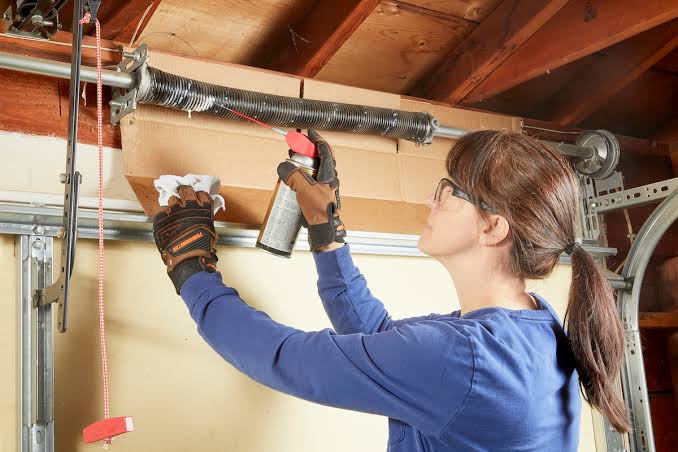
Have you ever winced at the screeching sound of your garage door opening early in the morning? It is not just annoying; it is a sign that your system is crying out for help. If you have found yourself asking, “What do I use to lubricate my garage door?” you are in the right place to solve this problem quickly and effectively.
A well-lubricated garage door operates smoothly, lasts longer, and saves you from costly repairs down the line. In this guide, we will break down exactly which products work best, which ones to avoid, and how to apply them like a pro.
Why Proper Lubrication Matters for Your Garage Door
Before we dive into the specific products, it is crucial to understand why this maintenance task is non-negotiable. Your garage door is likely the largest moving object in your home. It relies on a complex system of springs, rollers, hinges, and tracks to function safely.
Without proper lubrication, metal-on-metal friction increases dramatically. This leads to:
- Increased Wear and Tear: Parts grind against each other, shortening their lifespan.
- Noise Pollution: Squeaks, groans, and rattles become common.
- Motor Strain: Your garage door opener has to work harder, potentially burning out the motor prematurely.
- Safety Risks: A sticky door can jerk unexpectedly or fail to reverse when it should.
According to industry experts, regular lubrication can extend the life of your garage door components by up to 50%. It is a small effort with a massive return on investment.
The Best Lubricants for Garage Doors
When searching for “what do I use to lubricate my garage door,” you will encounter countless options. However, not all lubricants are created equal. Here are the top contenders recommended by professional technicians.
1. Silicone-Based Spray Lubricant
Silicone spray is widely considered the gold standard for garage door maintenance. It is lightweight, penetrates deep into moving parts, and does not attract dirt or dust.
- Pros: Clean application, water-resistant, safe for rubber and plastic parts.
- Cons: Can be slightly more expensive than general-purpose oils.
- Best For: Rollers, hinges, and locks.
2. Lithium-Based Grease
Lithium grease is thicker and ideal for heavy-duty applications. It stays in place longer than sprays, making it perfect for high-friction areas.
- Pros: Long-lasting, excellent for heavy loads, withstands extreme temperatures.
- Cons: Messier to apply, can attract dirt if over-applied.
- Best For: Spring coils and hinge pins.
3. White Lithium Grease Spray
This is a hybrid option that offers the ease of a spray with the durability of grease. It comes out as a foam that settles into a protective layer.
- Pros: Easy to apply, clean finish, good adhesion.
- Cons: May need reapplication more often than pure grease.
- Best For: General maintenance of all moving parts.
Comparison Table: Choosing the Right Product
| Feature | Silicone Spray | Lithium Grease | White Lithium Spray |
|---|---|---|---|
| Cleanliness | High | Low | Medium |
| Durability | Medium | High | Medium-High |
| Dirt Attraction | Low | High (if excessive) | Low-Medium |
| Ease of Use | Very Easy | Moderate | Easy |
| Cost | $$ | $ | $$ |
What NOT to Use on Your Garage Door
Just as important as knowing what to use is knowing what to avoid. Using the wrong product can cause more harm than good.
Avoid WD-40 (Standard Formula)
This is the most common mistake homeowners make. While WD-40 is excellent for cleaning and displacing moisture, it is not a long-term lubricant. It evaporates quickly and can actually strip away existing grease, leaving your parts dry and vulnerable to friction.
Note: WD-40 does make a specialized “Garage Door Lubricant,” but the standard blue-can formula should never be used for ongoing maintenance.
Avoid Motor Oil or Heavy Cooking Oils
Household oils like vegetable oil or heavy motor oil are too thick or prone to going rancid. They attract dust, pet hair, and debris, creating a gritty paste that accelerates wear.
For more detailed information on the chemical properties of lubricants, you can refer to Wikipedia’s entry on Lubricants.
Step-by-Step Guide: How to Lubricate Your Garage Door
Now that you have the right product, let’s walk through the process. You will need your chosen lubricant, a clean rag, and a ladder.
Step 1: Safety First
Ensure the garage door is fully closed. If you are working near the springs, exercise extreme caution. Torsion springs are under high tension and can be dangerous. If you are uncomfortable, call a professional.
Step 2: Clean the Components
Before applying new lubricant, wipe down the rollers, hinges, and tracks with a clean rag. Remove any old, gunked-up grease or dirt. This ensures the new lubricant can penetrate effectively.
Step 3: Lubricate the Rollers
Focus on the bearings inside the rollers. Apply a small amount of silicone spray or lithium grease to the center of each roller. Open and close the door a few times to work the lubricant into the bearings.
- Tip: Do not lubricate the nylon rollers excessively, as they are self-lubricating. Just a light mist is enough.
Step 4: Lubricate the Hinges
Apply lubricant to the pivot points of each hinge. These are high-stress areas that bend every time the door moves. Ensure the pin is well-coated.
Step 5: Lubricate the Springs
For torsion springs (the large spring above the door), apply a thin coat of lithium grease along the length of the coil. For extension springs (on the sides), lubricate the loops where they connect.
- Caution: Never attempt to adjust or loosen the springs yourself. Only lubricate them.
Step 6: Lubricate the Lock and Latch
Don’t forget the manual lock and latch mechanism. A quick spray of silicone here ensures easy operation from the outside.
Step 7: Wipe Away Excess
Use your rag to wipe away any dripping lubricant. Excess grease will attract dirt, defeating the purpose of lubrication.
People Also Ask: Common Questions Answered
How often should I lubricate my garage door?
Most professionals recommend lubricating your garage door every six months. If you live in an area with extreme weather conditions (very hot, cold, or humid), you may need to do it quarterly. Listen to your door; if it starts squeaking, it is time for maintenance.
Can I use graphite powder on my garage door?
Graphite powder is a dry lubricant that works well for locks because it does not attract dust. However, it is messy and can stain your floor or car. For moving mechanical parts like rollers and hinges, liquid or grease-based lubricants are generally more effective and easier to manage.
Why is my garage door still noisy after lubrication?
If noise persists after lubrication, the issue might not be friction. Check for:
- Loose hardware (nuts and bolts).
- Worn-out rollers that need replacement.
- Misaligned tracks.
- Issues with the garage door opener chain or belt.
Is it safe to lubricate the garage door tracks?
Generally, no. You should avoid lubricating the vertical and horizontal tracks where the rollers move. Lubricant on the tracks can attract dirt and cause the rollers to slip or bind. Keep the tracks clean and dry. Only lubricate the moving parts attached to the door, not the stationary rails.
What is the best lubricant for cold climates?
In freezing temperatures, some lubricants can thicken and become less effective. Synthetic silicone sprays are ideal for cold climates because they remain fluid at low temperatures and do not freeze. Avoid heavy greases that may harden in the winter.
Conclusion
Knowing what do I use to lubricate my garage door is the first step toward a quieter, safer, and longer-lasting home system. By choosing a high-quality silicone spray or lithium grease and avoiding common pitfalls like using standard WD-40, you can keep your door operating smoothly for years.
Remember, consistency is key. Set a reminder twice a year to perform this simple maintenance task. Your ears—and your wallet—will thank you.
Did you find this guide helpful? Share it with your neighbors or on social media to help others silence their squeaky doors! If you have any additional tips or questions, leave a comment below.
Leave a Reply