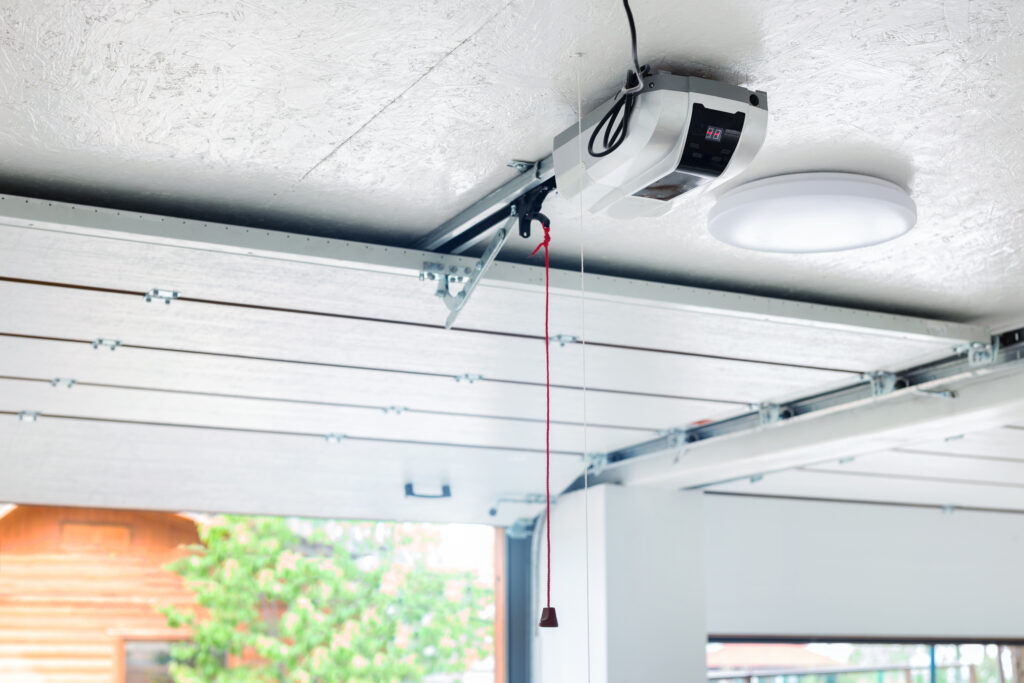
Have you ever been jolted awake by the loud rumble of your garage door, only to find no one home? It can feel downright spooky, but don’t worry—you aren’t dealing with ghosts! Understanding what causes garage door to open on its own is the first step toward reclaiming your peace of mind and securing your home. Let’s dive into the real culprits behind this frustrating glitch and how you can easily fix it.
What Causes Garage Door To Open On Its Own? The Top Culprits
When your garage door decides to take a midnight stroll, it is usually due to a simple technical glitch. According to the International Door Association (IDA), over 70% of homeowners use their garage as their primary entrance, making these malfunctions a major security concern.
The most common reasons include radio frequency interference, stuck remote buttons, or minor wiring issues. In some cases, smart home integrations can also trigger unexpected movements.
By identifying the exact trigger, you can stop the phantom openings and keep your property secure. Let’s break down the most frequent suspects.
Can Radio Frequency Interference Trigger My Door?
Radio Frequency Interference (RFI) is the number one culprit behind “phantom” garage door openings. Your garage door opener communicates with your remote using specific radio frequencies.
If a neighbor’s transmitter, a nearby military base, or even a ham radio operator uses a similar frequency, it can accidentally trigger your door. Older openers that use fixed-code dip switches are highly susceptible to this.
Modern openers use rolling code technology, which changes the access code every time the remote is used. This makes RFI much less likely. However, if you live in a densely populated area, signal crossover can still occasionally happen.
To learn more about the mechanics and history of these systems, you can explore the technical evolution of the garage door opener on Wikipedia.
Are Remote Controls or Keypads Malfunctioning?
Sometimes, the issue is as simple as a physically stuck button. If your remote control has been sitting in a tight cup holder or a crowded purse, the main button might be continuously pressed.
This constant pressure can send a continuous signal to the opener’s logic board. Eventually, the system might interpret this as a command to open or close the door.
Similarly, wired wall keypads can suffer from frayed wires or sticky buttons. If the wires behind your wall console are touching or short-circuiting, they will mimic the action of someone pressing the button.
How Do Weather and Power Surges Affect the Opener?
Extreme weather changes can wreak havoc on your garage door’s sensitive electronics. During the summer, high heat can cause the metal tracks to expand.
This expansion can misalign the safety sensors near the floor. When the sensors are bumped out of alignment, the logic board can become confused, occasionally triggering a reverse or opening cycle to “recalibrate.”
Power surges are another major factor. A lightning strike or a grid fluctuation can scramble the opener’s internal memory. When the power restores, the system might reboot with corrupted settings, leading to random operations.
Step-by-Step Guide to Troubleshooting and Fixing the Issue
Ready to stop the ghost openings? Follow these concrete steps to diagnose and fix the problem safely.
Step 1: Perform a Hard Reset Unplug the garage door opener from the ceiling outlet. Wait exactly 60 seconds to let the logic board fully discharge. Plug it back in and reprogram your remotes. This clears out 90% of temporary memory glitches.
Step 2: Check for Stuck Buttons Remove the battery from your primary remote. If the door stops acting up, the remote’s internal button is stuck. Clean the rubber keypad with a cotton swab dipped in 90% isopropyl alcohol to remove sticky residue.
Step 3: Inspect the Wall Console Wiring Unscrew the wall button from the drywall. Check the two thin wires connected to the back. If they are frayed or touching, separate them and wrap the exposed copper with electrical tape. Ensure the gap between the wires is at least 1/4 inch.
Step 4: Adjust the Safety Sensors Look at the small LED lights on the sensors near the floor. They should be glowing solid green or amber. If they are blinking, gently adjust the brackets until the lights stay solid. Tighten the wing-nuts firmly to prevent future misalignment.
DIY Fixes vs. Calling a Professional
Not sure if you should handle this yourself? Use this comparison table to decide the best path forward.
| Feature | DIY Troubleshooting | Calling a Professional |
|---|---|---|
| Cost | Free to $20 (for basic tools/tape) | $100 – $300 (service call + parts) |
| Time Required | 30 – 60 minutes | 1 – 2 hours (including scheduling) |
| Best For | Stuck buttons, sensor alignment, hard resets | Broken logic boards, motor gear replacement |
| Risk Level | Low (if power is disconnected) | Zero (fully insured and guaranteed) |
Frequently Asked Questions (FAQ)
1. Can a neighbor’s remote open my garage door?
Yes, but it is rare with modern systems. If you have an older opener with fixed dip-switches, a neighbor with the exact same switch configuration could open your door. Upgrading to a rolling-code opener or changing your dip-switch settings will instantly solve this.
2. Why does my garage door open at the exact same time every night?
This usually points to a scheduled automation glitch. If you have a smart garage controller (like MyQ), check your app for accidental “close by” or “open by” schedules. Alternatively, a nearby radio station broadcasting at a specific time might be causing daily interference.
3. Is it safe to sleep with a garage door that opens randomly?
No, it is highly discouraged. A randomly opening garage is an open invitation for burglars and exposes your home to harsh weather and pests. Until you fix the issue, unplug the opener or engage the manual lock at night.
4. How much does it cost to fix a phantom garage door?
If the issue is just interference or a stuck button, it will cost you nothing. However, if the logic board is fried from a power surge and needs replacement, expect to pay between $150 and $250 for parts and professional labor.
Conclusion
Dealing with a garage door that opens by itself is incredibly frustrating, but it is rarely a paranormal event. By understanding what causes garage door to open on its own—from radio interference to simple wiring shorts—you can take back control of your home security.
Start with a simple hard reset and check your sensors. These quick, free fixes solve the majority of phantom opening issues.
Found this guide helpful? Share this article on Facebook, Pinterest, or X (Twitter) to help your friends and neighbors secure their homes too! Stay safe and happy fixing!
Leave a Reply