Have you ever stood in front of your garage, trying to figure out if your new SUV will actually fit inside? Or perhaps you’re planning a renovation and need precise measurements before calling a contractor. You’re not alone. Many homeowners struggle with this exact question: what are the dimensions of a two car garage door? Getting it right is crucial for functionality, aesthetics, and even your home’s resale value. Let’s break it down together.
Standard Dimensions for Two Car Garage Doors
When we talk about a “two-car” garage door, we’re typically referring to a single, wide door that accommodates two vehicles side-by-side. However, some homeowners opt for two separate single doors. For this article, we’ll focus on the single double-wide door, as it’s the most common modern choice.
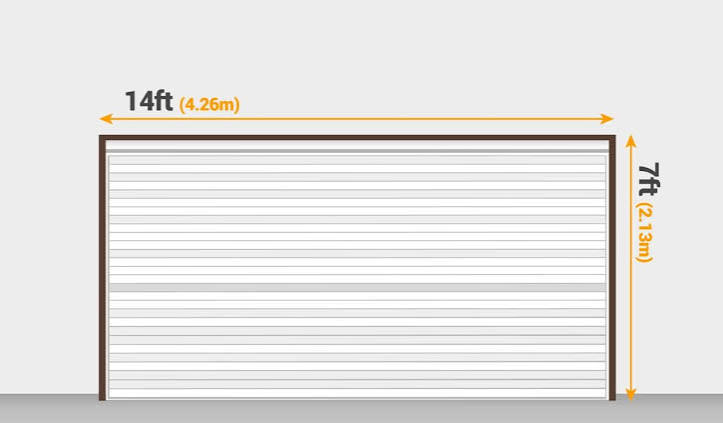
The standard width for a two-car garage door ranges from 16 feet to 18 feet. Yes, you read that right—feet, not inches. To be more precise:
- 16 feet (192 inches): This is the most common minimum width. It works well for compact cars or smaller mid-size sedans.
- 18 feet (216 inches): This is becoming the new standard, especially for newer homes. It provides ample space for larger vehicles like trucks, SUVs, or minivans.
As for height, the standard is typically 7 feet (84 inches). However, if you own a taller vehicle—like an F-150 with a roof rack or a lifted Jeep—you might want to consider an 8-foot (96 inches) or even 9-foot (108 inches) high door.
| Door Type | Standard Width | Standard Height | Best For |
|---|---|---|---|
| Compact Double | 16 feet | 7 feet | Small sedans, older homes |
| Standard Double | 18 feet | 7 feet | Mid-size cars, most modern homes |
| Tall Double | 18 feet | 8–9 feet | Trucks, SUVs, RVs |
Why does this matter? Because even a few inches can make the difference between a smooth entry and a scratched mirror. According to the National Association of Home Builders (NAHB), over 60% of new homes built in the US feature at least one 18-foot wide garage door, reflecting the trend toward larger vehicles.
Why Choosing the Right Size Matters
You might think, “It’s just a door. How much difference can a foot make?” Actually, quite a lot. Here’s why precision matters:
1. Vehicle Clearance and Safety
Imagine trying to park two full-size trucks in a 16-foot wide garage. Each truck is roughly 6.5–7 feet wide. That leaves less than 2 feet of total clearance between them and the walls. You’d be playing a real-life game of Tetris every time you parked. An 18-foot door gives you that extra breathing room, reducing stress and preventing accidental dings.
2. Resale Value
Potential buyers often look at the garage first. A cramped garage can be a dealbreaker. A spacious, well-proportioned garage door signals that the home can accommodate modern lifestyles. Real estate experts note that functional upgrades, including proper garage sizing, can boost curb appeal and perceived value.
3. Aesthetic Balance
A garage door that’s too small for the opening looks awkward. One that’s too large might overwhelm the facade. Proportions matter in architectural design. An 18-foot door often strikes the right visual balance for a typical two-car garage structure.
Custom vs. Standard: Which Should You Choose?
While standard sizes are cost-effective and readily available, custom sizes offer flexibility. Here’s a quick comparison:
Standard Sizes:
- Pros: Lower cost, faster installation, easier to find replacement parts.
- Cons: Limited flexibility, may not fit unique architectural styles.
Custom Sizes:
- Pros: Perfect fit for unusual openings, enhanced aesthetic appeal, can accommodate oversized vehicles.
- Cons: Higher cost, longer lead times, potentially harder to repair.
For most homeowners, sticking to the 16×7 or 18×7 standard is the smartest move. Only go custom if your garage opening is non-standard or if you have specific needs, like storing a boat or a classic car with extra height.
How to Measure Your Garage Door Opening Accurately
Thinking of replacing your door? Don’t guess—measure! Here’s a simple step-by-step guide:
- Measure the Width: Use a steel tape measure. Measure the width of the opening at three points: top, middle, and bottom. Use the smallest measurement to ensure the door fits.
- Measure the Height: Similarly, measure the height from the floor to the top of the opening on both the left and right sides. Again, use the smallest number.
- Check for Obstructions: Look for light fixtures, pipes, or beams that might interfere with the door’s path.
- Consider Headroom: Ensure you have enough space above the door for the tracks and opener mechanism. Typically, you need at least 12 inches of headroom.
Pro Tip: If you’re unsure, consult a professional installer. A small error in measurement can lead to costly mistakes. For more detailed technical specifications on garage door structures, you can refer to resources like Wikipedia’s page on Garage Doors which provides a broad overview of types and mechanisms.
Material Choices and Their Impact on Dimensions
Did you know the material of your garage door can slightly affect its effective dimensions? Here’s how:
- Steel: Thin and durable. Minimal impact on clearance.
- Wood: Thicker panels. May require slight adjustments to the frame.
- Aluminum: Lightweight and slim. Good for tight spaces.
- Fiberglass: Similar to steel but can expand/contract with temperature.
Always account for the thickness of the door panels when calculating interior clearance, especially if you’re parking close to the door.
FAQ Section
Q1: Can I fit two full-size trucks in an 18-foot garage door?
A: It’s tight but possible. Most full-size trucks are around 6.5–7 feet wide. An 18-foot door gives you roughly 4–5 feet of total wiggle room. You’ll need to park carefully, but it’s doable. If you frequently park two large trucks, consider a 20-foot custom door.
Q2: Is a 16-foot door enough for two cars?
A: For two compact or mid-size sedans, yes. For anything larger, like SUVs or trucks, it will feel cramped. If you have the space, upgrading to 18 feet is highly recommended for comfort and ease of use.
Q3: What is the most common height for a two-car garage door?
A: The most common height is 7 feet. However, 8-foot heights are increasingly popular due to the rise in taller vehicles like SUVs and trucks. Always measure your tallest vehicle before deciding.
Q4: Do I need a permit to change my garage door size?
A: It depends on your local building codes. In many US municipalities, replacing a door with the same size doesn’t require a permit. However, enlarging the opening usually does. Check with your local building department before starting any structural changes.
Q5: How much does a standard 18×7 two-car garage door cost?
A: Prices vary based on material and insulation. A basic non-insulated steel door might cost between $800–$1,200. Insulated or premium wood doors can range from $1,500 to $3,000 or more, excluding installation.
Q6: Can I install a two-car garage door myself?
A: While DIY kits are available, garage doors are heavy and under high tension. Incorrect installation can be dangerous. We strongly recommend hiring a licensed professional, especially for large double doors.
Conclusion
So, what are the dimensions of a two car garage door? Ideally, you’re looking at 16 to 18 feet in width and 7 to 8 feet in height. Choosing the right size isn’t just about fitting your cars; it’s about ensuring safety, enhancing your home’s value, and making your daily life easier.
Don’t let a poorly sized garage door become a daily frustration. Take the time to measure, consider your vehicles, and choose wisely. Whether you’re building new or renovating, getting these dimensions right is a small step that makes a big difference.
Found this guide helpful? Share it with your friends on Facebook or Pinterest who might be tackling their own garage projects! Let’s help everyone park with confidence.
Leave a Reply