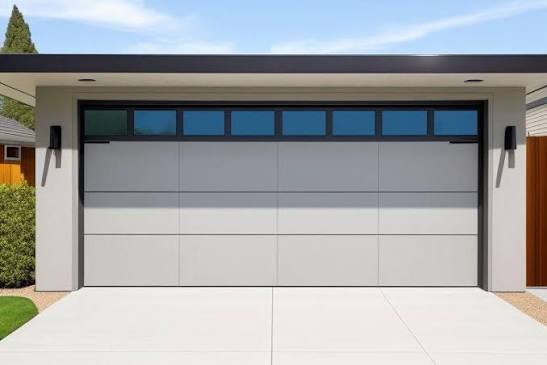
Have you ever stared at your old, creaky garage door and thought, “It’s time for an upgrade,” only to be stopped by a wave of bureaucratic uncertainty? Navigating local regulations can feel overwhelming, especially when you just want to improve your home’s security and curb appeal. If you are asking yourself, “Do you need a permit to install a garage door?” you are not alone. The answer isn’t always a simple yes or no, but understanding the nuances can save you from costly fines and safety hazards down the road.
Why Permits Matter for Garage Door Installation
Before we dive into the specific rules, it is crucial to understand why these permits exist. They are not just red tape designed to slow you down; they are safety nets.
Garage doors are the largest moving objects in most homes. They weigh hundreds of pounds and operate under high tension. A poorly installed door can lead to:
- Structural damage to your home’s framing.
- Safety hazards for children and pets due to malfunctioning sensors.
- Electrical issues if the opener is not wired correctly.
Local building departments use permits to ensure that installations meet specific safety standards. This protects you, your family, and future buyers of your home.
Do You Actually Need a Permit?
The short answer is: It depends on where you live and what exactly you are doing.
In many jurisdictions across the United States, a simple “like-for-like” replacement—where you swap out an old door for a new one of the same size and type without altering the structure—often does not require a permit. However, this is not a universal rule.
When You Likely NEED a Permit
You will almost certainly need a permit if your project involves any of the following:
- Changing the Opening Size: If you are widening or heightening the garage door opening, you are altering the structural integrity of the wall. This requires engineering approval.
- New Construction: If you are building a new garage or adding one to an existing home, permits are mandatory.
- Electrical Work: Installing a new garage door opener often involves new wiring. Many areas require an electrical permit for this work, even if the door itself doesn’t need one.
- Historical Districts: If your home is in a designated historical area, strict aesthetic guidelines may apply, requiring review and approval.
When You Might NOT Need a Permit
You might be off the hook if:
- You are replacing the door panels only.
- You are replacing the springs or cables (maintenance, not installation).
- Your local municipality has a “minor repair” exemption for like-for-like replacements.
Pro Tip: Always check with your local building department. Rules vary significantly between cities, counties, and states. What is allowed in rural Texas might be strictly prohibited in suburban New Jersey.
People Also Ask: Common Questions Answered
To help you navigate this complex topic, let’s address the most common questions homeowners have about garage door permits.
1. How much does a garage door permit cost?
Permit fees vary widely depending on your location. In some small towns, the fee might be as low as $50, while in larger metropolitan areas, it can range from $100 to $500 or more.
| Location Type | Estimated Permit Cost | Processing Time |
|---|---|---|
| Rural County | $50 – $100 | 1-3 Days |
| Suburban City | $100 – $250 | 3-7 Days |
| Major Metro Area | $250 – $500+ | 1-2 Weeks |
Note: These are averages. Always contact your local building department for exact figures.
2. Can I install a garage door myself without a permit?
Technically, you can attempt it, but it is highly discouraged for two reasons:
- Safety: Garage door springs are under extreme tension. Improper handling can cause severe injury or death.
- Liability: If you install a door without a required permit and it fails, causing damage or injury, your homeowner’s insurance may deny your claim. Furthermore, when you sell your home, unpermitted work can scare off buyers or lower your property value.
According to the International Residential Code (IRC), which many US jurisdictions adopt, structural alterations and electrical work must be inspected to ensure compliance with safety standards.
3. What happens if I don’t get a permit?
Skipping the permit process might seem like a time-saver, but the risks are significant:
- Fines: You could be fined double or triple the original permit fee.
- Forced Removal: The city may require you to tear out the non-compliant installation.
- Insurance Issues: As mentioned, insurance companies may refuse to cover damages related to unpermitted work.
- Sale Complications: During a home sale, inspectors will flag unpermitted work, potentially derailing the deal.
4. Does hiring a professional guarantee I don’t need a permit?
No. While reputable garage door companies usually handle the permitting process for you, the responsibility ultimately falls on the homeowner. Always ask your installer: “Will you be pulling the necessary permits for this job?” If they say no, ask why. If they cannot provide a valid reason, consider hiring a different contractor.
Step-by-Step: How to Check and Apply for a Permit
If you determine that you do need a permit, here is how to navigate the process smoothly.
Step 1: Contact Your Local Building Department
Visit your city or county’s official website. Look for the “Building Department” or “Permit Center” section. You can often find downloadable applications and fee schedules online.
Step 2: Gather Required Documents
Most applications will require:
- Proof of ownership (deed or tax bill).
- Detailed plans or specifications of the new garage door (manufacturer specs usually suffice).
- Site plan showing the location of the garage.
- Contractor’s license information (if hiring a pro).
Step 3: Submit the Application
You can often submit applications online, by mail, or in person. Online submission is usually the fastest method. Be prepared to pay the fee at this stage.
Step 4: Schedule Inspections
Once permitted, the work can begin. You will likely need two inspections:
- Rough-in Inspection: For electrical wiring before drywall or finishing is complete (if applicable).
- Final Inspection: After the door is fully installed and operational. The inspector will check safety sensors, auto-reverse features, and structural integrity.
Step 5: Receive Final Approval
After passing the final inspection, you will receive a certificate of completion or final approval. Keep this document with your home’s important records.
DIY vs. Professional Installation: A Quick Comparison
Deciding whether to tackle this project yourself or hire a pro is another big decision. Here is a breakdown to help you choose.
| Feature | DIY Installation | Professional Installation |
|---|---|---|
| Cost | Lower (Save on labor) | Higher (Includes labor & expertise) |
| Time | 1-2 Days (for experienced DIYers) | 4-6 Hours |
| Safety Risk | High (Spring tension is dangerous) | Low (Trained technicians) |
| Permit Handling | You do all the paperwork | Contractor often handles it |
| Warranty | Manufacturer parts only | Labor + Parts warranty |
| Best For | Simple panel replacements | Full door replacements & openers |
Expert Tips for a Smooth Installation Process
- Choose Energy-Efficient Doors: If you live in an area with extreme temperatures, consider insulated garage doors. They help regulate your home’s temperature and can reduce energy bills.
- Upgrade Your Opener: Modern openers come with Wi-Fi connectivity and battery backups. Ensure your electrical permit covers these newer technologies if you are upgrading.
- Check HOA Rules: Even if your city doesn’t require a permit, your Homeowners Association (HOA) might have strict rules about door style, color, and material. Always check with them first to avoid fines.
- Maintain Regularly: Once installed, lubricate moving parts every six months and test the auto-reverse feature monthly to ensure ongoing safety.
Frequently Asked Questions (FAQ)
Q: Do I need a permit to replace just the garage door opener? A: In many cases, yes, because it involves electrical work. However, some jurisdictions allow minor electrical repairs without a permit if done by a licensed electrician. Check your local codes.
Q: How long does it take to get a garage door permit? A: It varies. Simple permits can be approved instantly online or within 24 hours. More complex projects involving structural changes may take 1-2 weeks for review.
Q: Can I get a permit after the work is already done? A: This is called a “retroactive permit.” It is possible but often more expensive and stressful. The inspector may require you to expose walls or wiring to verify compliance, which can be destructive. It is always better to get the permit before starting work.
Q: Does a permit increase my home’s value? A: Indirectly, yes. Having permitted work ensures your home is up to code, which makes it more attractive to buyers and easier to insure. Unpermitted work can be a major red flag during home inspections.
Q: What if my contractor says I don’t need a permit? A: Get it in writing. However, remember that you are liable. Verify the claim by calling your local building department yourself. It takes five minutes and can save you thousands in the future.
Conclusion
So, do you need a permit to install a garage door? The answer lies in the details of your project and your local laws. While a simple swap might fly under the radar, any structural change or electrical work likely requires official approval.
Taking the time to secure the proper permit is an investment in your home’s safety, legality, and value. It ensures that your new garage door operates smoothly and safely for years to come. Don’t let the paperwork intimidate you—view it as a step toward peace of mind.
If you found this guide helpful, please share it with your friends and neighbors who might be planning their own home improvements. Knowledge is power, and staying compliant keeps everyone safe!
Leave a Reply