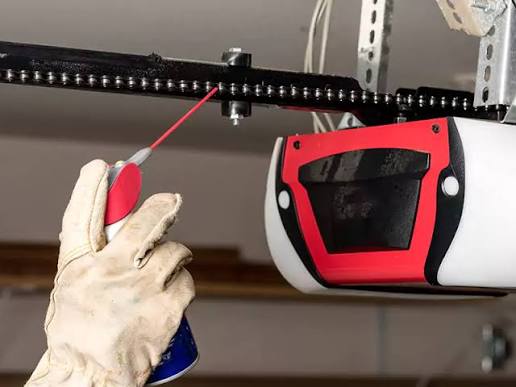
ave you ever tried to sneak into your house late at night, only to be greeted by the deafening roar of your garage door? It is a common frustration for many homeowners. Finding what are the best garage door openers on the market can transform this daily chore from a noisy nuisance into a seamless, secure, and quiet experience. Whether you live above the garage or simply value peace and modern convenience, choosing the right opener is crucial for your home’s functionality and safety.
Why Choosing the Right Garage Door Opener Matters
Your garage door is likely the largest moving object in your home. It opens and closes thousands of times a year. A poor-quality opener can lead to frequent repairs, security vulnerabilities, and unnecessary noise pollution. In contrast, a high-quality unit enhances home security, integrates with your smart home ecosystem, and operates so quietly you might forget it’s even there.
According to industry experts, the average lifespan of a garage door opener is between 10 to 15 years. Investing in the right model now saves you money and hassle in the long run. But with dozens of brands and technologies available, how do you decide? Let’s break down the top contenders and the technology behind them.
Understanding the Drive Types: Chain, Belt, and Screw
Before diving into specific models, it is essential to understand the three main drive types. This decision significantly impacts noise levels, maintenance, and price.
1. Chain Drive: The Durable Workhorse
Chain drive openers use a metal chain to pull the trolley that moves the door. They are the most traditional and affordable option.
- Pros: Highly durable, inexpensive, widely available.
- Cons: Noisy due to metal-on-metal contact. Not ideal if bedrooms are located above the garage.
2. Belt Drive: The Quiet Champion
Belt drive openers use a steel-reinforced rubber belt. This design drastically reduces vibration and noise.
- Pros: Extremely quiet operation, smooth performance, low maintenance.
- Cons: Slightly more expensive than chain drives. Belts may need replacement after many years, though modern ones last a long time.
3. Screw Drive: The Low-Maintenance Option
These use a threaded steel rod to move the trolley. They have fewer moving parts, which means less wear and tear.
- Pros: Fewer moving parts, good for extreme temperatures, moderate noise level.
- Cons: Can be noisy over time if not lubricated, generally slower than other types.
Expert Tip: If your garage is attached to your living space, belt drive is almost always the recommended choice for comfort. For detached garages, a chain drive offers excellent value.
Top 5 Best Garage Door Openers in 2026
Based on performance, reliability, smart features, and user reviews, here are the top picks for this year.
1. Chamberlain B970 – Best Overall Belt Drive
The Chamberlain B970 is a powerhouse in the residential market. It features a ultra-quiet belt drive system and robust motor power.
- Key Feature: MyQ smartphone control allows you to monitor and control your door from anywhere.
- Noise Level: Very Low.
- Best For: Homes with living spaces above or adjacent to the garage.
2. LiftMaster 8500W – Best Wall-Mounted Jackshaft
Unlike traditional ceiling-mounted units, the LiftMaster 8500W mounts on the wall beside the door. This frees up ceiling space, which is perfect for storing kayaks or installing ceiling racks.
- Key Feature: Eliminates the hanging rail and trolley, reducing clutter.
- Noise Level: Low.
- Best For: Garages with high ceilings or limited headroom.
3. Genie SilentMax 1000 – Best for Extreme Quiet
Genie has engineered the SilentMax series specifically for noise reduction. It uses a DC motor and a rubber belt to ensure whisper-quiet operation.
- Key Feature: Soft-start and soft-stop technology reduces wear on the door sections.
- Noise Level: Ultra-Low.
- Best For: Light sleepers and multi-story homes.
4. Ryobi Ultra-Quiet Belt Drive – Best Budget Smart Opener
Ryobi has disrupted the market by offering smart features at a lower price point. It integrates seamlessly with the Ryobi One+ app.
- Key Feature: Affordable entry into smart garage control without sacrificing quality.
- Noise Level: Low.
- Best For: DIY enthusiasts and budget-conscious buyers.
5. Chamberlain WD832KEV – Best Heavy-Duty Chain Drive
If you have a heavy wooden door or live in an area with high winds, you need torque. This chain drive model delivers raw power.
- Key Feature: High-lift capability and strong motor torque.
- Noise Level: Moderate to High.
- Best For: Detached garages and heavy doors.
Comparison Table: Quick Specs at a Glance
| Model | Drive Type | Noise Level | Smart Connectivity | Price Range |
|---|---|---|---|---|
| Chamberlain B970 | Belt | Very Low | MyQ App | $ |
| LiftMaster 8500W | Jackshaft | Low | MyQ App | $$ |
| Genie SilentMax 1000 | Belt | Ultra-Low | Aladdin Connect | $ |
| Ryobi Ultra-Quiet | Belt | Low | Ryobi App | $$ |
| Chamberlain WD832KEV | Chain | Moderate | MyQ App | $$ |
Critical Features to Look For in 2026
When evaluating what are the best garage door openers on the market, do not just look at the motor. Consider these critical safety and convenience features.
Smart Home Integration
Modern openers should connect to Wi-Fi. This allows you to:
- Close the door remotely if you forgot.
- Receive alerts when the door opens.
- Grant temporary access to delivery drivers or guests.
- Integrate with Amazon Key, Google Assistant, or Apple HomeKit.
Battery Backup
Power outages do not wait for convenient times. A built-in battery backup ensures you can still open and close your garage door during a blackout. This is a vital security feature, preventing you from being locked out or trapped.
Security+ 2.0 Technology
Older openers used fixed codes, which could be easily hacked. Modern units use rolling code technology. Every time you press the remote, the code changes. This makes it nearly impossible for thieves to intercept and replicate your signal. For more on the history of security protocols in consumer devices, you can refer to general encryption standards on Wikipedia.
LED Lighting
Integrated LED lights are brighter, last longer, and use less energy than traditional incandescent bulbs. Some models even feature motion-activated lighting, turning on when you enter the garage.
Installation: DIY or Professional?
Many homeowners wonder if they can install these units themselves. Here is a realistic breakdown.
DIY Installation is feasible if:
- You are comfortable using power tools.
- Your existing garage door springs and tracks are in good condition.
- You have a helper to assist with lifting the motor unit.
Hire a Professional if:
- Your garage door springs are broken or worn (spring replacement is dangerous).
- The wiring in your garage is outdated.
- You are installing a jackshaft opener, which requires precise alignment.
Safety Warning: Never attempt to repair or adjust torsion springs yourself. They are under extreme tension and can cause severe injury if handled incorrectly. Always consult a certified technician for spring-related issues.
Frequently Asked Questions (FAQ)
1. How long do garage door openers typically last?
Most high-quality garage door openers last between 10 to 15 years. Regular maintenance, such as lubricating the chain or belt and checking the safety sensors, can extend this lifespan.
2. Are smart garage door openers secure?
Yes, modern smart openers use encrypted rolling codes and two-factor authentication via their apps. However, it is crucial to keep your Wi-Fi network secure and update the opener’s firmware regularly to protect against potential vulnerabilities.
3. Can I add smart features to my old garage door opener?
Absolutely. You do not need to replace your entire unit. Devices like the Chamberlain MyQ Smart Garage Hub or RatGDO can be added to existing openers to provide smartphone control and monitoring capabilities.
4. What is the difference between AC and DC motors?
AC motors are traditional, powerful, but often noisier. DC motors are newer, quieter, and allow for variable speed control (soft start/stop). DC motors are generally preferred for residential use due to their quiet operation and energy efficiency.
5. Why is my garage door opener making a grinding noise?
A grinding noise usually indicates worn gears, lack of lubrication, or a misaligned chain/belt. If the unit is old, the plastic gears inside the motor head may have stripped. Immediate inspection is recommended to prevent total failure.
Conclusion
Choosing the right garage door opener is an investment in your home’s security, convenience, and comfort. When asking what are the best garage door openers on the market, the answer depends on your specific needs. For quiet operation, the Chamberlain B970 or Genie SilentMax are top-tier choices. For those needing ceiling space, the LiftMaster 8500W is unmatched. And for budget-friendly smart integration, Ryobi offers incredible value.
Remember to prioritize safety features like battery backup and rolling code technology. Whether you choose to install it yourself or hire a pro, ensuring your garage door operates smoothly will pay dividends every single day.
Found this guide helpful? Share it with your neighbors on Facebook or Pinterest to help them upgrade their homes too!
Leave a Reply