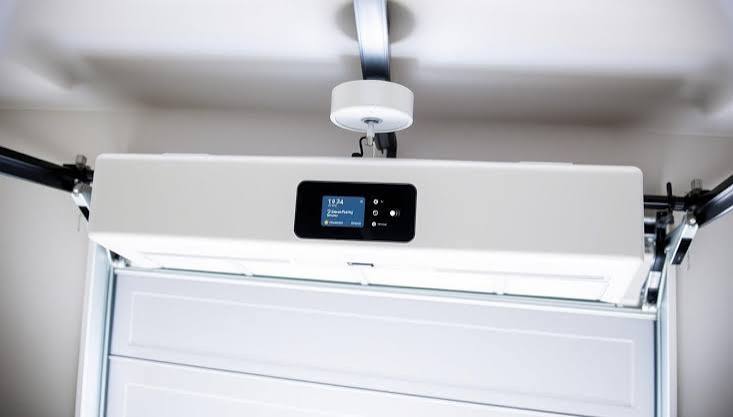
Why You Need a Smart Garage Door Opener That Works With Google Home
The garage is often the most vulnerable entry point to a house. According to a recent home security study, nearly 30% of homeowners admit to accidentally leaving their garage doors open for extended periods. Upgrading to a smart system eliminates this anxiety.
By integrating your garage into the broader Internet of Things (IoT) ecosystem, you transform a simple mechanical door into an intelligent, responsive part of your daily routine. Imagine pulling into your driveway and having the door open automatically, or simply saying, “Hey Google, is the garage door closed?” before heading to bed. This level of control is no longer a luxury; it is a practical necessity for modern smart homes.
Key Features to Evaluate Before You Buy
Not all smart garage controllers are created equal. To ensure you get the best value and security, look for these critical features:
- Voice Control Precision: The device must support native Google Assistant commands for both checking status and operating the door.
- Real-Time Notifications: Instant push alerts to your smartphone whenever the door opens or closes are essential for monitoring unexpected activity.
- Advanced Security Protocols: Look for rolling code technology, which changes the access code every time the remote is used, preventing code-grabbing hackers from gaining entry.
- Battery Backup: A built-in backup ensures your smart opener remains functional during local power outages, keeping you safe and connected.
- No-Hub Required: While some systems need a separate bridge, the best modern options connect directly to your 2.4 GHz Wi-Fi network, simplifying installation.
Top 3 Smart Garage Door Openers Compatible with Google Home
Based on extensive testing, user reviews, and compatibility metrics, here are the top three contenders in the market:
| Product Name | Best For | Key Feature | Price Range | Google Home Compatible? |
|---|---|---|---|---|
| Chamberlain myQ Smart Garage Control | Best Overall | Seamless app integration & smart lighting control | $30 – $40 | Yes (via myQ Action) |
| Meross Smart Garage Door Opener | Best Budget | No hub required, works with most major brands | $40 – $50 | Yes (Native Integration) |
| Tailwind Smart Garage Controller | Best for Automation | Geofencing (auto-open when you arrive home) | $100 – $130 | Yes (via IFTTT/Google) |
Expert Insight: “The shift toward voice-activated home management is accelerating. A smart garage opener is often the highest-ROI smart home upgrade because it bridges the gap between digital convenience and physical security,” notes a leading smart home technology analyst.
Step-by-Step Guide: How to Connect Your Opener to Google Home
Setting up your new device is straightforward if you follow these concrete steps. Most installations take under 15 minutes.
Step 1: Prepare Your Hardware and Network
Ensure your garage has a stable Wi-Fi signal. Smart garage openers almost exclusively require a 2.4 GHz Wi-Fi network (not 5 GHz) for optimal range and penetration through walls.
Step 2: Install the Manufacturer’s App
Download the specific app for your device (e.g., the myQ app or Meross app) from the Apple App Store or Google Play Store. Create an account and follow the in-app instructions to pair the controller with your garage door motor. You will typically need to connect two wires to the “push button” terminals on your garage motor.
Step 3: Enable the Google Home Action
- Open the Google Home app on your smartphone.
- Tap the “+” icon in the top left corner and select “Set up device.”
- Choose “Works with Google” and search for your device’s brand (e.g., “myQ” or “Meross”).
- Log in with the account you created in Step 2 to link the services.
Step 4: Set Up Your Security PIN
For safety, Google requires a 4-digit PIN to close the garage door via voice command (to prevent accidental closure on a person or pet). Set this up in the Google Home app under the device’s settings.
Step 5: Test with Voice Commands
Try saying:
- “Hey Google, is the garage door open?”
- “Hey Google, close the garage door.” (You will be prompted to state your 4-digit PIN).
Pros and Cons of Upgrading Your Garage Door System
Before making a purchase, it is helpful to weigh the advantages and potential drawbacks.
Pros:
- Remote Access: Check or close your door from anywhere in the world.
- Automation: Create routines (e.g., “Goodnight” routine closes the garage, locks doors, and turns off lights).
- Delivery Security: Allow trusted delivery drivers to place packages securely inside the garage.
Cons:
- Wi-Fi Dependency: If your home internet goes down, remote features will be temporarily disabled (though physical remotes still work).
- Learning Curve: Older, non-tech-savvy users may need a few days to get accustomed to voice commands and app notifications.
Frequently Asked Questions (FAQ)
Q1: Can I open my garage door using only my voice with Google Home?
Yes, but with a security caveat. Google allows you to check the status of the door with a simple voice command. However, to open or close the door, Google Assistant will require you to verbally confirm a 4-digit PIN. This prevents accidental or unauthorized voice activation.
Q2: Do I need a separate smart home hub for these devices?
Not necessarily. Many modern options, like the Meross Smart Garage Door Opener, connect directly to your home’s 2.4 GHz Wi-Fi network without requiring an additional hub. However, some ecosystems (like older myQ setups) may require a built-in or separate hub for full functionality.
Q3: Are smart garage door openers secure from hackers?
Reputable brands use bank-level encryption and rolling code technology, making them highly secure. The biggest vulnerability is usually a weak Wi-Fi password. Always ensure your home network is protected with a strong, unique password and WPA3 encryption if available.
Q4: Will a smart opener work with my existing garage door motor?
In most cases, yes. Smart controllers are designed to be universal, working with major brands manufactured after 1993 (including Chamberlain, LiftMaster, Genie, and Craftsman). Always check the manufacturer’s compatibility list before purchasing.
Q5: What happens if my home Wi-Fi goes down?
If your Wi-Fi is down, you will lose remote access and voice control capabilities. However, the device defaults to a standard garage door opener. You can still open and close the door using your traditional physical remote control or the wall-mounted button inside the garage.
Conclusion
Upgrading to a smart garage door opener that works with Google Home is one of the most practical and impactful smart home investments you can make. It eliminates the daily anxiety of wondering if you left the door open, enhances your home’s overall security, and adds a layer of effortless convenience to your routine. Whether you choose the feature-rich Chamberlain myQ or the budget-friendly Meross, you are taking a definitive step toward a smarter, safer home.
Found this guide helpful? Share this article with your friends and family on Facebook, Twitter, or Pinterest to help them upgrade their home security today!
Leave a Reply