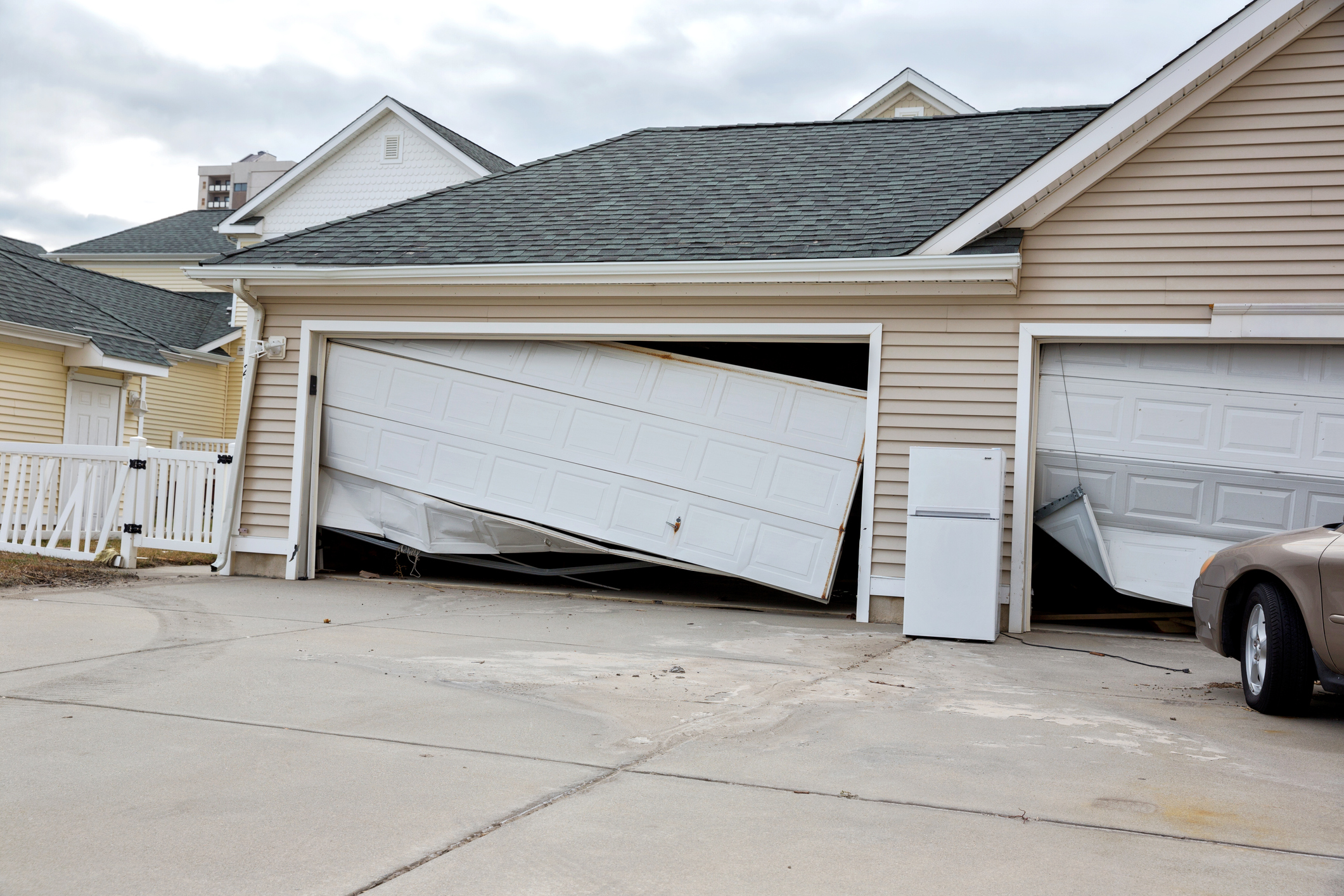
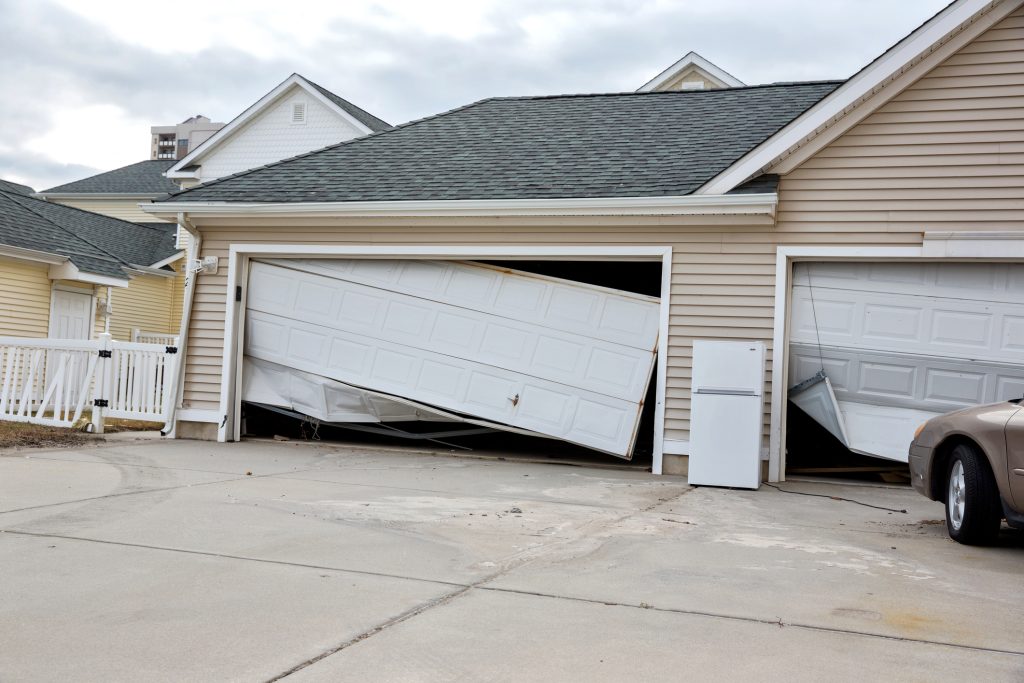
Hurricanes bring devastating winds, heavy rain, and dangerous debris that can turn your home into a vulnerable target. If you’re asking yourself “should I lock my garage door during a hurricane,” you’re not alone—this is one of the most common questions homeowners face when preparing for severe weather. The answer isn’t as simple as yes or no, and understanding the right approach could mean the difference between minor damage and catastrophic loss.
Why Your Garage Door Is Your Home’s Weakest Point
Your garage door represents the largest opening in most homes, making it particularly susceptible to hurricane damage. According to the Federal Emergency Management Agency (FEMA), garage doors fail in approximately 80% of homes that experience significant wind damage during hurricanes. This statistic highlights why proper garage door preparation is crucial for overall home safety.
The structural integrity of your garage door directly impacts your home’s ability to withstand high winds. When a garage door fails, it creates an immediate pressure differential inside your home that can cause roof failure, wall collapse, and extensive interior damage. Understanding this vulnerability helps explain why experts emphasize garage door security during hurricane season.
The Science Behind Garage Door Failure
During a hurricane, wind speeds can exceed 150 mph, creating enormous pressure on building surfaces. Your garage door acts like a sail, catching wind and transferring tremendous force to its tracks, hinges, and mounting points. Without proper reinforcement or locking mechanisms, these components can fail catastrophically.
Research from the Insurance Institute for Business & Home Safety shows that homes with reinforced garage doors experience 60% less structural damage during Category 3+ hurricanes compared to those with standard doors. This data underscores the importance of taking garage door security seriously.
Should You Lock Your Garage Door? The Critical Answer
Yes, you should absolutely lock your garage door during a hurricane, but locking alone isn’t sufficient. The type of lock and additional reinforcement measures matter significantly for optimal protection.
Types of Garage Door Locks for Hurricane Protection
| Lock Type | Effectiveness | Installation Difficulty | Cost Range |
|---|---|---|---|
| Standard Manual Lock | Low | Easy | $20-50 |
| Heavy-Duty Bolt Lock | Medium | Moderate | $50-100 |
| Hurricane-Rated Lock System | High | Professional | $150-300 |
| Reinforced Track Lock | Very High | Professional | $200-400 |
Standard automatic garage door openers provide minimal security during hurricanes because they can be overridden by wind pressure or power failures. Manual locking systems offer better protection, but hurricane-rated locks specifically designed for high-wind conditions provide the best defense.
Essential Steps to Secure Your Garage Door Before a Hurricane
Proper garage door preparation requires more than just engaging a lock. Follow these comprehensive steps to maximize your protection:
Step 1: Inspect and Reinforce Existing Hardware
Begin by examining all hardware components, including hinges, tracks, and rollers. Tighten any loose bolts and replace worn parts immediately. Pay special attention to the center bracket where the door sections connect, as this area experiences the most stress during high winds.
Step 2: Install Hurricane-Rated Locks
If your current locking system isn’t hurricane-rated, consider upgrading before storm season begins. Look for locks that meet Miami-Dade County standards, which are among the strictest in the nation for hurricane protection. These locks typically feature heavy-gauge steel construction and multiple engagement points.
Step 3: Add Reinforcement Struts
Horizontal reinforcement struts distribute wind pressure evenly across the door surface, preventing bowing and buckling. Most single-car garage doors require one strut, while double-car doors need two or three struts positioned at regular intervals.
Step 4: Seal Gaps and Openings
Use weather-resistant caulk to seal gaps around the door frame and between door sections. Even small openings can allow wind to penetrate and create internal pressure that compromises structural integrity.
Step 5: Clear the Area Around Your Garage
Remove any objects that could become projectiles during high winds. This includes bicycles, lawn equipment, and storage items near the garage entrance. Secure loose items in your yard that might impact the garage door.
Common Mistakes That Compromise Garage Door Security
Many homeowners make critical errors when preparing their garage doors for hurricanes. Avoid these common pitfalls:
Relying solely on the automatic opener: Modern garage door openers include safety features that prevent operation during power outages, but they don’t provide adequate wind resistance. Always engage manual locks regardless of opener status.
Ignoring maintenance until storm season: Regular maintenance throughout the year ensures your garage door functions properly when you need it most. Schedule professional inspections annually and address issues promptly.
Using inadequate reinforcement materials: Not all reinforcement products are created equal. Choose materials specifically rated for hurricane conditions rather than generic hardware store solutions.
Forgetting about side doors: If your garage has a pedestrian door, secure it with the same attention you give to the main garage door. Side doors often have weaker locking mechanisms and can be entry points for wind and water.
When Professional Help Is Necessary
While many garage door security measures can be implemented by homeowners, certain situations require professional assistance:
- Installing hurricane-rated locks and reinforcement systems
- Replacing damaged tracks or hinges
- Upgrading to impact-resistant garage doors
- Assessing structural integrity of older garage door systems
According to Wikipedia’s comprehensive guide on hurricane preparedness, professional evaluation of your home’s vulnerability is recommended for residents in high-risk hurricane zones. This assessment can identify specific weaknesses in your garage door system and recommend appropriate upgrades.
Cost vs. Benefit Analysis of Garage Door Hurricane Protection
Investing in proper garage door security provides significant returns when considering potential damage costs:
Protection Investment:
- Hurricane-rated locks: $150-300
- Reinforcement struts: $100-200
- Professional installation: $200-400
- Total typical investment: $450-900
Potential Savings:
- Average garage door replacement after hurricane: $1,500-3,000
- Structural damage repair: $5,000-15,000
- Interior water damage: $2,000-8,000
- Potential savings: $8,500-26,000
The cost-benefit ratio clearly favors proactive protection, especially for homeowners in frequent hurricane paths.
FAQ Section
Q: Can I use my regular garage door lock during a hurricane?
A: While regular locks provide some security, they’re not designed for hurricane-force winds. Hurricane-rated locks feature heavier construction and multiple engagement points that better resist wind pressure and debris impact.
Q: How early should I prepare my garage door before a hurricane?
A: Begin preparations at least 48-72 hours before expected storm arrival. This timeline allows for proper inspection, installation of reinforcement materials, and correction of any issues discovered during the process.
Q: What if my garage door opener fails during the storm?
A: Manual locks should always be engaged regardless of opener functionality. Keep a manual release cord accessible and practice using it regularly so you’re familiar with the process during an emergency.
Q: Are there temporary solutions if I can’t install permanent reinforcements?
A: Temporary options include plywood bracing, sandbag barriers, and portable lock systems. However, these provide limited protection compared to permanent hurricane-rated installations and should only be used as interim measures.
Q: How do I know if my garage door meets hurricane standards?
A: Look for certification labels indicating compliance with Miami-Dade County standards or similar rigorous testing protocols. Consult with a licensed garage door professional for assessment of your current system’s capabilities.
Q: Should I close windows in rooms adjacent to the garage?
A: Yes, closing and securing all windows near the garage provides additional protection against wind penetration and debris impact. This creates multiple layers of defense for your home’s interior.
Conclusion
The question “should I lock my garage door during a hurricane” has a definitive answer: yes, but with important qualifications. Proper garage door security involves more than simply engaging a lock—it requires comprehensive preparation including reinforcement, maintenance, and potentially upgraded hardware.
By following the steps outlined in this guide, you can significantly reduce your risk of garage door failure and subsequent home damage during hurricanes. Remember that prevention is always more cost-effective than repair, and the peace of mind that comes from knowing your home is properly protected is invaluable.
Don’t wait until the next hurricane warning to assess your garage door security. Take action now to protect your home, family, and investment. Share this information with friends and neighbors in hurricane-prone areas—community preparedness saves lives and property.
Stay safe, stay prepared, and remember that proper garage door security is an essential component of comprehensive hurricane preparedness.
Leave a Reply