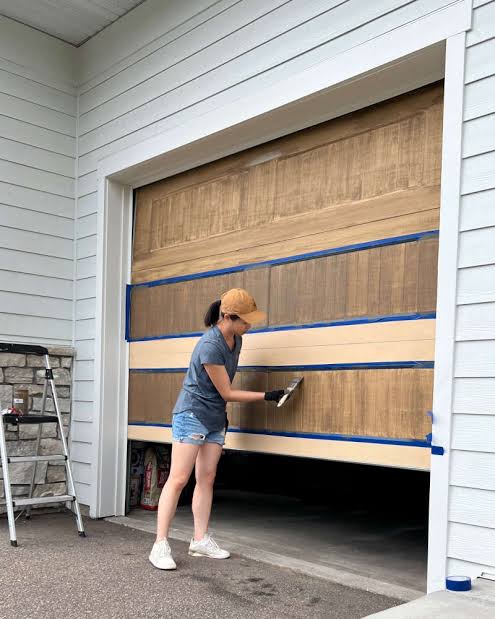
Have you ever looked at your home’s exterior and felt that your steel or aluminum garage door just looks too industrial? You are not alone. Many homeowners struggle with the cold, sterile appearance of standard metal doors, wishing for the warmth and character of natural timber without the hefty price tag or maintenance requirements. Fortunately, painting a metal garage door to look like wood is a transformative DIY project that can dramatically enhance your home’s curb appeal while staying within budget.
This guide will walk you through the exact process used by professional painters to achieve a high-end, realistic wood grain effect. We will cover everything from surface preparation to the final protective coat, ensuring your new “wood” door withstands the elements for years to come.
Why Choose a Faux Wood Finish Over Real Wood?
Before we dive into the paint cans and brushes, it is essential to understand why this technique has become so popular among US homeowners. While real wood doors offer undeniable beauty, they come with significant downsides that modern alternatives solve effectively.
Cost and Maintenance Comparison
| Feature | Real Wood Garage Door | Faux Wood Painted Metal Door |
|---|---|---|
| Initial Cost | High ($2,000 – $5,000+) | Low ($100 – $300 for supplies) |
| Maintenance | High (Staining/sealing every 2-3 years) | Low (Repaint every 5-7 years) |
| Durability | Prone to warping, rot, and insects | Resistant to rust, dents, and weather |
| Weight | Heavy (Requires strong springs) | Lightweight (Standard hardware compatible) |
According to industry data, replacing a garage door can cost thousands of dollars, whereas a high-quality paint job costs a fraction of that amount. By choosing to paint your existing metal door, you retain the structural integrity and security of steel while gaining the aesthetic benefits of cedar, oak, or mahogany.
For more context on the history and evolution of building materials, you can refer to Wikipedia’s article on Building Materials, which highlights the shift toward durable, low-maintenance composites and coated metals in modern construction.
What Tools and Materials Do You Need?
Success in painting a metal garage door to look like wood relies heavily on having the right tools. Using inferior brushes or skipping primer will result in a finish that peels or looks unconvincing.
Essential Supply List
- Primer: A high-bonding, oil-based or acrylic latex primer designed for metal surfaces.
- Base Coat Paint: High-quality exterior latex or acrylic paint in your chosen wood tone (e.g., light oak, dark walnut).
- Glaze or Translucent Topcoat: This is the secret ingredient. You need a slow-drying glaze that allows you to manipulate the paint before it sets.
- Graining Tool: A rubber wood-graining rocker or a stiff-bristled graining brush.
- Natural Bristle Brushes: For applying the base coat and glaze.
- Sandpaper: 220-grit and 400-grit sheets.
- Cleaner/Degreaser: Trisodium phosphate (TSP) substitute or mild dish soap.
- Painter’s Tape and Drop Cloths: To protect windows, handles, and driveways.
How Do You Prepare the Metal Surface?
Preparation is arguably the most critical phase. Metal surfaces are smooth and non-porous, meaning paint has little to “grab” onto unless properly treated. Skipping this step often leads to chipping within months.
Step 1: Clean Thoroughly
Start by washing the door with a degreaser or TSP solution. Garage doors accumulate road grime, bug splatters, and oxidation. Use a sponge or soft brush to scrub every panel. Rinse completely with water and let it dry for at least 24 hours. Any moisture trapped under the paint will cause bubbling.
Step 2: Sand the Surface
You do not need to strip the door to bare metal if the existing paint is in good condition. However, you must scuff-sand the entire surface using 220-grit sandpaper. This creates microscopic scratches that help the primer adhere. If there are rust spots, sand them down until you see shiny metal, then treat with a rust-inhibiting primer.
Step 3: Apply Primer
Apply a thin, even coat of metal-specific primer. Use a roller for flat panels and a brush for edges and recessed areas. Let the primer cure according to the manufacturer’s instructions—usually 4 to 6 hours. Lightly sand with 400-grit paper after drying to ensure a silky-smooth base for your color coat.
What Is the Best Technique for Creating Wood Grain?
Now comes the artistic part. The goal is not to paint perfect lines, but to mimic the organic, irregular patterns found in nature. Here is the step-by-step method for achieving a realistic look.
Step 1: Apply the Base Coat
Choose a color that matches the lightest parts of the wood species you are mimicking. For example, if you want a cherry wood look, start with a reddish-tan base. Apply two thin coats, allowing full drying time between each. Ensure the surface is completely dust-free before moving on.
Step 2: Mix Your Glaze
Mix your translucent glaze with a darker shade of paint. The ratio is typically 4 parts glaze to 1 part paint, but check your product labels. This mixture should be fluid enough to spread but thick enough to hold texture.
Step 3: Create the Grain Pattern
Work on one panel at a time. Apply the glaze mixture evenly over the panel using a brush. Immediately take your graining tool or rubber rocker.
- For Vertical Grain (Common in modern doors): Drag the tool vertically from top to bottom in long, steady strokes. Vary the pressure slightly to create lighter and darker streaks.
- For Horizontal Grain (Traditional look): Move the tool horizontally. Twist the tool slightly as you drag to create knots and swirls.
Pro Tip: Keep a wet rag nearby. If you make a mistake or the pattern looks too uniform, wipe the glaze off and start that section again. The glaze stays workable for 15–20 minutes, giving you ample time to perfect the look.
Step 4: Add Depth with Dry Brushing
Once the glaze is touch-dry (but not fully cured), use a dry, stiff-bristled brush to lightly drag across the surface. This softens harsh lines and blends the colors, making the grain look more natural and less “stamped.”
How Do You Seal and Protect the Finish?
A faux wood finish is only as good as its protection. Without a proper sealant, UV rays will fade the color, and rain will wash away the glaze.
Choosing the Right Clear Coat
Use a high-quality exterior polyurethane or clear acrylic sealer. Matte or satin finishes tend to look more like real wood than high-gloss options, which can appear plastic-like.
Application Process
- Wait at least 24 hours after graining to ensure the glaze is fully set.
- Apply the first coat of sealer using a clean, soft brush or foam roller.
- Let it dry for 4–6 hours.
- Lightly sand with 400-grit paper to remove any dust nibs.
- Apply a second coat for maximum durability.
This final layer acts as a shield against weather extremes, ensuring your painting a metal garage door to look like wood project lasts for many years.
Frequently Asked Questions (FAQ)
1. Can I use spray paint to create a wood grain effect?
While spray paint is excellent for base coats, it is difficult to use for creating realistic wood grain. The graining process requires manipulating wet paint with tools, which is impossible with aerosol sprays. Use spray paint only for the initial base color if you prefer, but switch to brushes and glaze for the grain effect.
2. How long does the faux wood finish last?
With proper preparation and a high-quality UV-resistant sealer, a faux wood finish on a metal door can last 5 to 7 years. Factors such as direct sunlight exposure and local weather conditions will influence longevity. Regular cleaning with mild soap and water can extend its life.
3. What is the best wood species to mimic for beginners?
Oak and ash are the easiest woods to mimic because their grain patterns are bold and linear. Exotic woods like mahogany or walnut have complex, swirling grains that require advanced techniques. Start with a straight-grain oak look to build your confidence.
4. Do I need to remove the garage door from its hinges?
No, you do not need to remove the door. In fact, keeping it installed is safer and easier. However, ensure the door is locked in place so it does not move while you are working. Use drop cloths to catch any drips on your driveway.
5. Can I change the color later if I don’t like it?
Yes. Since the base is metal and primed correctly, you can sand down the faux finish and repaint it. However, because of the textured glaze, you may need to use a filler primer to smooth out the grain before applying a new solid color.
Conclusion
Transforming your home’s exterior doesn’t require a massive renovation budget. By painting a metal garage door to look like wood, you achieve a sophisticated, custom look that elevates your property’s value and aesthetic charm. The key lies in meticulous preparation, the right graining tools, and a durable protective sealant.
Remember, patience is your best tool. Take your time with the graining process, and don’t be afraid to wipe and retry sections until they look natural. Once finished, step back and admire your work—you’ve just given your home a facelift that neighbors will envy.
If you found this guide helpful, please share it on social media to help other DIY enthusiasts transform their homes! Have you tried a faux finish before? Let us know your tips in the comments below.
Leave a Reply