Introduction
Does your home’s exterior feel incomplete because of a plain, white metal garage door? You are not alone; many homeowners struggle with the stark, industrial look of standard steel doors that clash with their warm, traditional architecture. Learning how to make a garage door look like wood offers a stunning solution that boosts curb appeal without the exorbitant price tag of real timber replacements.
In this guide, we will walk you through the exact process used by professional painters to create realistic wood grain effects. Whether you have a steel, aluminum, or fiberglass door, this tutorial will help you achieve a high-end aesthetic on a budget.
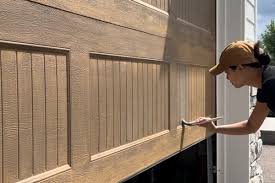
Why Choose a Faux Wood Finish Over Real Wood?
Before diving into the “how,” it is crucial to understand the “why.” Real wood garage doors are undeniably beautiful, but they come with significant drawbacks that make them impractical for many US homeowners.
The Cost and Maintenance Gap
According to recent home improvement data, installing a genuine custom wood garage door can cost between $3,000 and $10,000, depending on the species (like cedar or mahogany) and size. In contrast, a high-quality faux wood paint job typically costs under $500 in materials if done DIY.
Furthermore, real wood requires intense maintenance. It must be stained or sealed every 1–2 years to prevent rotting, warping, and insect damage. A faux finish on a steel door, however, inherits the durability of the metal underneath. It resists weather, does not warp, and only needs repainting every 5–7 years.
| Feature | Real Wood Door | Faux Wood Finish (Steel Door) |
|---|---|---|
| Initial Cost | High ($3k–$10k+) | Low ($200–$500) |
| Maintenance | High (Annual sealing) | Low (Occasional wash) |
| Durability | Prone to rot/warping | Rust-resistant, sturdy |
| Insulation | Moderate | Can be highly insulated |
For more details on the structural differences in door materials, you can refer to the general overview on Garage doors – Wikipedia.
What Materials Do You Need for a Realistic Look?
Achieving a convincing wood grain effect requires specific tools. Using the wrong brush or paint type is the most common reason DIY projects fail to look authentic.
Essential Supply List
- High-Quality Exterior Primer: Use a bonding primer specifically designed for metal or glossy surfaces. Zinsser Bulls Eye 1-2-3 is a popular choice among professionals.
- Base Coat Paint: Choose a high-gloss or semi-gloss exterior latex paint. This should match the lightest tone of the wood you are mimicking (e.g., pale beige for oak, reddish-brown for cherry).
- Glaze or Top Coat: This is the secret ingredient. A translucent glaze allows you to manipulate the paint before it dries, creating depth.
- Wood Grain Rocker Tool: Also known as a graining comb. This rubber tool has varied teeth patterns that mimic natural wood knots and lines.
- Badger Hair Brush or Soft Bristle Brush: Used for softening harsh lines after graining.
- Clear Polyurethane Sealant: A UV-resistant topcoat to protect your work from sun fading.
Pro Tip: Avoid using flat/matte paints for the base coat. Wood has a natural sheen, and a glossy base helps reflect light realistically.
Step-by-Step: How To Make A Garage Door Look Like Wood
Follow these precise steps to ensure a professional-grade finish. Patience is key—rushing the drying times will ruin the effect.
Step 1: Preparation and Cleaning
You cannot paint over dirt, grease, or oxidation. Start by washing the entire garage door with a mixture of mild detergent and water. Use a stiff brush to scrub away any loose paint or rust spots.
- Temperature Check: Ensure the ambient temperature is between 50°F and 85°F (10°C–29°C). Painting outside this range affects drying time and adhesion.
- Sanding: Lightly sand the surface with 220-grit sandpaper to create a “tooth” for the primer to grip. Wipe away all dust with a tack cloth.
Step 2: Priming the Surface
Apply a thin, even layer of exterior primer. If your door is already painted and in good condition, you may skip this, but for bare metal or drastic color changes, priming is non-negotiable.
- Let the primer dry completely. Refer to the manufacturer’s label, but typically this takes 2–4 hours.
Step 3: Applying the Base Coat
Roll or brush on your base coat color. This color represents the “heartwood” or the lightest part of the wood grain. For example, if you want a Walnut look, use a medium brown. If you want Oak, use a golden tan.
- Apply two thin coats rather than one thick coat to prevent drips.
- Allow the base coat to cure for at least 24 hours. It must be completely hard to the touch.
Step 4: The Graining Process (The Critical Step)
This is where the magic happens. You will need a partner for large doors to maintain a “wet edge.”
- Mix the Glaze: Mix your darker paint color (the grain color) with a clear glazing liquid. A typical ratio is 1 part paint to 4 parts glaze. This extends the working time.
- Apply the Glaze: Work on one panel at a time. Brush the glaze mixture vertically onto the panel. Do not let it dry.
- Use the Graining Tool: Take your wood grain rocker tool. Start at the top of the panel and pull it down in a straight, steady motion. Rock the tool slightly side-to-side as you pull to create irregularities.
- Note: Natural wood grain is rarely perfectly straight. Vary your pressure and angle slightly.
- Softening the Lines: Immediately after using the rocker, take a dry, soft badger hair brush and lightly drag it vertically over the wet glaze. This blurs the sharp edges of the tool marks, making them look like natural fiber rather than stamped plastic.
Step 5: Sealing and Protection
Once the grained panels are fully dry (wait 48 hours to be safe), apply a clear exterior polyurethane sealant. This protects the faux grain from UV rays, rain, and car exhaust fumes. Use a satin or semi-gloss finish to mimic the natural luster of varnished wood.
Common Mistakes to Avoid When Faking Wood Grain
Even with the right tools, certain errors can make your door look amateurish.
- Repeating Patterns: If you use the same rocker motion on every panel, it will look mechanical. Rotate your tool or change your hand angle for each section.
- Ignoring Direction: Wood grain always runs vertically on garage doors (mimicking planks). Never grain horizontally unless you are specifically designing a modern, horizontal-slat look.
- Skipping the Glaze: Trying to create grain with just opaque paint is nearly impossible. The translucency of the glaze is what creates the illusion of depth and layers.
FAQ Section
1. Can I make a garage door look like wood if it has windows?
Yes, but it requires extra care. You must use painter’s tape and glass shield film to protect the windows. Apply the base coat and glaze carefully around the edges. Some homeowners choose to remove the window inserts entirely during the painting process for cleaner lines.
2. How long does a faux wood finish last?
With proper preparation and a high-quality UV-resistant sealant, a faux wood finish can last 5 to 7 years before needing a touch-up. This is significantly longer than stained real wood, which may need refinishing every 2 years in harsh climates.
3. What is the best wood look for a modern home?
For modern or contemporary homes, Dark Walnut or Ebony stains are trending. These dark, rich tones provide a sleek, sophisticated contrast against light-colored siding or brick. For traditional homes, Golden Oak or Cedar remains the classic choice.
4. Can I use this method on a fiberglass door?
Absolutely. Fiberglass is actually easier to work with than steel because it often comes with a textured surface that already mimics wood grain. You still need to prime and paint, but the texture helps the graining tool catch better, resulting in a more realistic finish.
5. Is it better to hire a professional or do it myself?
If you have experience with exterior painting and attention to detail, DIY is very feasible and saves money. However, if your door is heavily damaged, rusted, or if you are uncomfortable working with ladders and large surfaces, hiring a professional ensures a warranty-backed result. Professional faux finishing services can cost between $800 and $1,500.
Conclusion
Learning how to make a garage door look like wood is one of the most impactful DIY projects you can undertake for your home’s exterior. It combines the aesthetic warmth of natural timber with the rugged durability of modern materials. By following the steps above—preparing thoroughly, using the right glaze techniques, and sealing properly—you can transform a bland metal door into a stunning focal point.
Don’t let a boring garage door drag down your home’s value. Grab your brushes, pick your favorite wood tone, and start transforming your curb appeal this weekend!
Did you find this guide helpful? Share this article with your neighbors on Facebook or Pinterest who might be looking to upgrade their home!
Leave a Reply